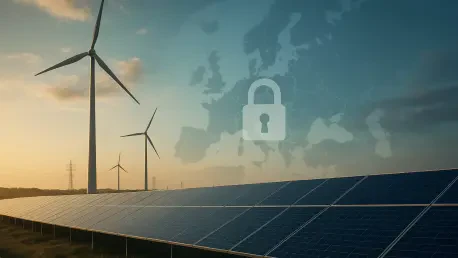

Market fragmentation across Europe means that success now depends on a granular understanding of specific geographies, technologies, and individual contractual frameworks. The sudden shift in global trade routes and the precarious nature of maritime passages have forced a radical rethink of how sovereign states secure their basic industrial inputs. This is no longer a simple race to add capacity to a unified grid; it is a complex navigation of local regulations and regional resource availability. While the initial wave of renewable investment was characterized by broad exposure to wind and solar, the current environment demands a more sophisticated approach. Investors are realizing that the old models of deployment no longer apply in a landscape where geopolitical instability can overnight rewrite the economic feasibility of a project. Consequently, the pursuit of energy security has moved from being a secondary environmental benefit to becoming the primary driver of capital allocation today.
Scaling Infrastructure: The Electrification Mandate
The European Commission’s Electrification Action Plan stands as the primary policy response to these challenges, aiming for a significant overhaul of how energy is consumed. This plan targets a massive increase in the EU’s electrification rate, with the goal of moving from the current 23% to approximately 46% by 2040. Such an ambitious target necessitates an unprecedented influx of capital into diverse areas of the energy ecosystem, extending far beyond simple generation assets. It is no longer sufficient for investors to focus solely on the output of wind or solar farms; the transition requires a robust commitment to the underlying infrastructure that makes high electrification possible. This includes deep investments in energy storage and grid-supporting technologies that ensure stability in a decentralized system. By prioritizing these areas, policy makers are attempting to decouple economic growth from imported fuel volatility, thereby establishing a new standard for regional energy resilience.
Achieving these high electrification targets involves more than just expanding generation capacity; it requires the deployment of advanced infrastructure like synchronous condensers and heat pumps. These technologies are becoming essential components of a functional clean-energy grid, providing the necessary inertia and demand-side flexibility to handle intermittent renewable inputs. Furthermore, the rapid expansion of electric vehicle networks is critical to ensuring that the transition covers both industrial and consumer energy needs. Grid-supporting technologies act as the connective tissue of the modern energy market, allowing for the seamless integration of various power sources while maintaining system reliability. As the demand for electricity grows, the ability of the grid to adapt to varying loads becomes a primary concern for developers and utility operators alike. Consequently, the focus has shifted toward a more holistic view of power management that incorporates every stage of the energy value chain.
Navigating the Intersection: Gas and Power Prices
A defining theme of the current era is the unequal distribution of benefits resulting from higher power prices. While the disruption of liquefied natural gas shipments has driven up gas prices and wholesale power costs, the impact on renewable assets remains far from uniform. The analysis identifies a clear correlation between a market’s dependence on gas and the potential for increased “capture prices,” which represent the actual revenue an asset earns during its specific generation periods. This fragmentation means that an asset in one country might see record profits while a similar project elsewhere struggles to remain viable. This dependency on the gas-power nexus highlights the importance of localized market dynamics in determining the success of renewable energy investments. As a result, the ability to forecast regional gas availability and its subsequent impact on electricity pricing has become a fundamental skill for asset managers and institutional investors looking for long-term stability.
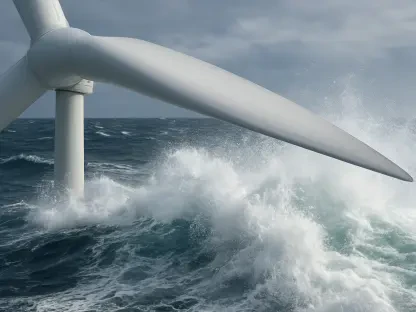
The phenomenon of “cannibalization” presents a significant risk to the profitability of clean energy projects, particularly in the solar sector. In markets with high solar penetration, such as France and Spain, the sheer volume of midday generation can drive power prices down toward zero or even into negative territory exactly when these assets are most productive. This creates a challenging environment where the oversupply of energy reduces the revenue potential for every participant in the market. In contrast, markets like Italy, the United Kingdom, and Denmark have shown more resilience in solar capture prices due to different demand profiles and lower levels of peak-time oversupply. Onshore wind generally demonstrates more stability than solar because its generation profile is more evenly distributed throughout the day and night. This broader profile reduces exposure to the price-depressing effects of midday solar peaks, allowing wind assets in Germany and the Netherlands to maintain a more consistent financial performance.
Stabilizing the Grid: Advanced Energy Storage
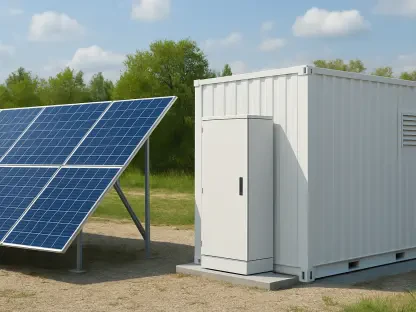
The volatility induced by fluctuating gas prices and the intermittent nature of solar and wind generation has created an ideal environment for BESS. In high-solar markets, these batteries can charge during periods of oversupply and low prices, then discharge when gas-fired generation sets the market price significantly higher. Data from recent months suggests that while solar capture rates have faced downward pressure, battery storage arbitrage revenues have performed exceptionally well in many jurisdictions. This trend highlights a growing consensus that energy storage is not just a supporting player but a central driver of revenue in a fragmented market. By decoupling the timing of generation from the timing of sale, batteries allow operators to bypass the worst effects of price cannibalization. This flexibility has turned energy storage into a primary asset class that offers a vital hedge against the price swings associated with both geopolitical tension and high renewable penetration.
Building on the success of storage, hybrid assets that co-locate generation with battery systems are increasingly seen as the gold standard for stabilizing revenue streams. These projects benefit from sharing grid connections and operational efficiencies, which improves the overall project economics while providing a more balanced revenue model. By integrating generation and storage, developers can optimize their output to match market demand, thereby avoiding the pitfalls of low-price periods. This integrated approach also simplifies the permitting and connection processes, which have been significant bottlenecks for new energy projects in Europe. As the market matures, the ability to manage these complex hybrid systems will likely differentiate top-tier operators from those who rely on simple, standalone generation assets. The operational data indicates that projects capable of shifting their load are far more resilient to the pricing shocks that have become common in the wake of recent global supply chain disruptions.
Strategic Evolution: Shaping the Next Decade of Power
A critical component of the current market analysis is the balance between merchant-price exposure and the safety provided by contracted revenue. Merchant exposure allows investors to capture the significant upside of high wholesale prices driven by geopolitical tension and supply shortages. However, recent auction results, particularly in Germany’s onshore wind sector, indicate that developers still place a premium on long-term cash-flow certainty over short-term gains. In the second quarter of the current year, a major German auction for onshore wind was significantly oversubscribed, with bids coming in well below the price ceiling. This behavior suggests that despite the potential for high spot-market returns, the investment community remains disciplined, prioritizing downside risk mitigation. For investors, this creates a bifurcated landscape where the ability to secure “strike prices” through competitive auctions remains a cornerstone of valuation resilience and long-term portfolio health.
The transition toward a secure and decentralized energy system in Europe established a new blueprint for infrastructure and geopolitics. It was observed that the pursuit of energy security and the low-carbon transition became inextricably linked, creating a permanent structural demand for domestic clean power. Investors who successfully navigated this period moved beyond generic strategies and instead embraced technical depth and localized expertise. By prioritizing the integration of storage and the stability of long-term contracts, the sector demonstrated a remarkable resilience against the volatility of international fuel markets. Moving forward, the most effective strategy involved the constant reassessment of asset performance in the context of changing grid regulations and technological advancements. The foregrounding of energy security did not just accelerate the transition; it fundamentally redefined the risk-reward calculus for the entire infrastructure sector, offering a clear path for future investments.