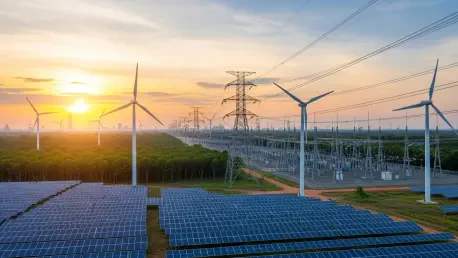

The persistent volatility of global oil markets and the escalating instability in the Middle East have forced Southeast Asian nations to rethink their fundamental reliance on imported fossil fuels for national security. As traditional energy supply chains face unprecedented disruption, Cambodia has emerged as a primary laboratory for a large-scale transition toward renewable self-sufficiency. This shift is centered on reducing the vulnerability inherent in being a net energy importer by developing robust domestic generation capabilities. At the heart of this transformation is a deepening partnership with Chinese engineering firms and financial institutions, which are providing the capital and technical expertise necessary to overhaul the Cambodian power grid. By prioritizing massive hydroelectric and solar initiatives, the nation is moving away from the precarious economics of coal and gas. This strategic pivot aims to insulate the local economy from external shocks while establishing a sustainable foundation for long-term industrial growth and modernization across the country.
Engineering a Domestic Energy Fortress: The Role of Pumped Storage
The commencement of the Upper Tatay pumped storage hydropower project marks a definitive turning point in Cambodia’s quest for energy independence and grid reliability. This billion-dollar endeavor, orchestrated through significant Chinese investment, represents a massive leap in technical sophistication for the region’s infrastructure landscape. Unlike traditional dams, this facility operates on a closed-loop system designed to maximize efficiency by recycling water between upper and lower reservoirs. During periods of low electricity demand, excess power from the national grid is used to pump water upward, effectively storing potential energy for later use. This mechanism provides a buffer against the intermittent nature of other renewable sources, such as solar and wind, which are being integrated at an accelerated pace. By creating this domestic “green power bank,” Cambodia is not just building a power plant but is instead constructing a critical stabilizer for a modernized electrical network that can support heavy industrial activity and urban expansion.
Collaboration between Cambodian authorities and Chinese state-owned enterprises has significantly accelerated the timeline for these massive infrastructure developments. Over the period leading from 2026 to 2028, the focus remains on synchronizing these new generation assets with an aging distribution network that requires extensive upgrades to handle high-voltage loads. This pragmatic cooperation is rooted in a shared vision of regional connectivity, where Chinese engineering expertise meets Cambodia’s urgent need for affordable and steady power. The success of the Tatay project has provided a blueprint for future gigawatt-scale developments that leverage the unique geography of the Cardamom Mountains. Furthermore, these projects contribute to the national goal of achieving a seventy percent renewable energy share by the end of the current decade. This transition is not merely an environmental choice but a calculated economic strategy to lower the cost of business and attract foreign direct investment in manufacturing sectors.
Geopolitical Catalysts: Strengthening Ties Through Clean Technology
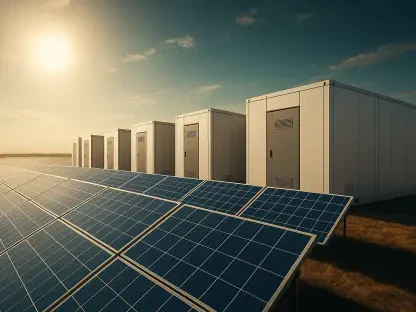
The current global energy landscape has provided a unique opening for China to solidify its role as the primary architect of clean energy systems across the developing world. As Western markets grapple with inflationary pressures and the logistical challenges of shifting away from traditional oil sources, China has positioned itself as the go-to provider for the hardware of the green transition. This includes not only the construction of hydroelectric facilities but also the provision of sophisticated battery storage solutions and solar arrays. The surge in Chinese exports of lithium-ion batteries and electric vehicles throughout the first half of the year underscores a broader trend of technological dominance in the sector. By exporting integrated energy solutions to partners like Cambodia, China is securing a long-term role in the regional supply chain. This move effectively bypasses traditional fossil fuel dependencies and establishes a new paradigm where energy security is defined by technological access rather than fuel trade.
Geopolitical shifts resulting from conflicts in the Middle East have acted as a powerful catalyst for this structural change, making the adoption of green technology a matter of survival rather than just policy. For Cambodia, the alignment with Chinese green tech providers offers a pathway to modernize without the debt-heavy burdens often associated with traditional fossil fuel infrastructure. Experts suggest that the current oil shock has accelerated a transition that would have otherwise taken decades to materialize. This accelerated timeline is visible in the rapid deployment of microgrids and rural electrification projects that have pushed Cambodia’s power access rate to nearly ninety-six percent of the population. This level of connectivity provides a massive domestic market for additional clean-tech products, creating a self-reinforcing cycle of growth. Consequently, the relationship between the two nations has moved beyond simple trade into a deep strategic integration that reshapes the industrial map of Southeast Asia.
Strategic Transitions: Building Resilient Regional Power Grids
Transitioning to a high-renewable energy mix requires more than just building new power plants; it necessitates a fundamental redesign of the national economic strategy. Cambodia has begun to implement regulatory frameworks that incentivize private sector participation in the green energy sector, moving away from a government-only development model. This includes the introduction of feed-in tariffs and competitive auction systems for solar projects, which have been heavily supported by Chinese technical advisors. Such policies ensure that the cost of green energy remains competitive with traditional sources, making it an attractive option for the burgeoning garment and electronics manufacturing industries. The integration of pumped storage technology like that at Upper Tatay is the missing piece of this puzzle, as it provides the dispatchable power needed to back up these variable sources. By diversifying its energy portfolio, Cambodia is mitigating the risks of price spikes and supply shortages.
The strategic alignment between Cambodian development goals and Chinese engineering capabilities successfully established a new standard for regional energy resilience. By prioritizing the construction of large-scale storage facilities and integrated renewable grids, the nation effectively addressed its most pressing vulnerability to global fuel price fluctuations. Moving forward, policymakers focused on expanding the capacity of local technicians to manage these advanced systems independently through knowledge-transfer programs. The focus shifted toward enhancing cross-border grid connectivity within the region to allow for the seasonal trade of surplus renewable energy. Stakeholders prioritized the development of localized battery manufacturing to complement the massive hydroelectric projects already in operation. These actions ensured that the transition was not merely a temporary response to a crisis but a permanent restructuring of the national economy. The pivot toward green power demonstrated that technological collaboration provided a stable foundation for sovereignty.