
The silent vibration of a drill bit thousands of feet beneath the desert floor is now signaling a seismic shift in how the global energy grid functions. For decades, geothermal energy was dismissed as a niche resource, forever trapped in specific volcanic regions, but the arrival of Enhanced Geothermal Systems (EGS) has effectively rewritten the rules of the game. Fervo Energy is currently transforming this geological potential into industrial reality by moving beyond the experimental phase and into a massive rollout of infrastructure. This transition is not just about heat; it is about providing the reliable, carbon-free baseload power that the modern economy desperately requires to function without interruption.
This article examines the strategic synthesis of hardware procurement, domestic supply chain integration, and financial engineering that Fervo is utilizing to dominate the market. By looking at how the company has moved from small-scale pilots to multi-gigawatt agreements, we can see a clear blueprint for the future of renewable energy. The focus has shifted from whether the technology works to how fast it can be deployed across the continental United States.
The Shift: From Experimental Tech to Industrial-Scale Infrastructure
The landscape of renewable energy is undergoing a quiet but profound transformation as geothermal power moves beyond its traditional volcanic boundaries. Historically, geothermal energy was limited to rare geographic “hot spots,” but EGS technology has unlocked the potential to harvest heat from the earth almost anywhere there is hot rock. At the forefront of this movement is Fervo Energy, a company that has transitioned from proving a concept to executing a massive industrial rollout. This change is vital because it represents a pivotal moment in the quest for carbon-free, 24/7 baseload power—a “holy grail” that intermittent sources like solar and wind cannot provide on their own.
Understanding Fervo’s strategy is essential for anyone tracking the energy transition. The company is currently utilizing strategic procurement, domestic manufacturing alliances, and standardized technology to move EGS into the mainstream energy market. By treating geothermal development like a manufacturing process rather than a series of isolated scientific experiments, they are driving down costs and increasing the speed of deployment. This industrialized approach is what separates the current era of geothermal from the failed attempts of the past.
Implementing a Blueprint for Rapid Geothermal Commercialization
Securing the Hardware Backbone: Massive Turbine Procurement
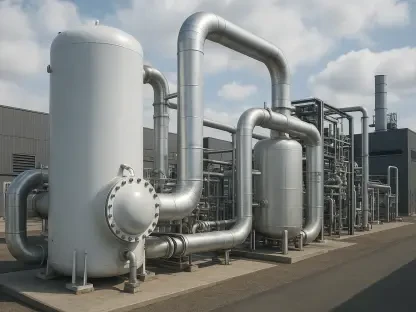
To move at the speed of the modern energy market, Fervo has abandoned the project-by-project purchasing model in favor of bulk industrial procurement. The recent agreement with Turboden American for 1.75 GW of Organic Rankine Cycle (ORC) turbines is a testament to this shift, representing an exponential jump from previous pilot-scale orders. These turbines are specifically engineered to extract high efficiency from lower-temperature reservoirs, which is critical for making EGS economically viable in regions without extreme volcanic heat.
By locking in a massive volume of equipment years in advance, Fervo is effectively bypassing the supply chain bottlenecks that often stall renewable energy projects. This “pre-emptive scaling” ensures that their Cape Station project in Utah remains on a fast track to operation regardless of global market fluctuations. Industry analysts note that this level of procurement is more reminiscent of large-scale natural gas plants than typical renewable startups, signaling a high degree of confidence in the underlying resource.
Strengthening the Core: A Fully Domestic Well Infrastructure
A significant hurdle for deep geothermal drilling has been the volatility of global shipping and the availability of high-grade materials required to withstand extreme subterranean pressures. Fervo’s $800 million partnership with Vallourec to supply U.S.-manufactured tubular solutions addresses this risk head-on. By creating a localized supply chain for the essential steel and connections required for deep-earth drilling, the company is insulating itself from international trade fluctuations and logistical delays.
This strategy does more than just secure parts; it adapts the robust supply chain logic of the oil and gas industry to the clean energy sector. Utilizing domestic steel and specialized connections allows for a more predictable and scalable construction timeline, which is essential for meeting the power demands of the current decade. This vertical integration of the supply chain reduces the “execution risk” that often scares off potential investors in frontier energy technologies.
Leveraging Industrial Giants: De-risking New Technology
The collaboration with Mitsubishi Heavy Industries (MHI) through its subsidiary Turboden signifies a maturing of the geothermal sector. When a startup aligns with an industrial titan like MHI, it gains more than just machinery; it gains the logistical and engineering weight of a global leader in power generation. This synergy helps bridge the “bankability” gap, making large-scale geothermal projects more attractive to conservative institutional investors who require proven manufacturing partners.
The involvement of such established players suggests that the industry no longer views EGS as a risky experiment, but as a reliable asset class. These partnerships provide a level of technical insurance, ensuring that the turbines and subsurface systems are backed by decades of industrial expertise. As a result, the perceived risk of geothermal failure has plummeted, allowing Fervo to focus on the logistics of expansion rather than the defense of its technical viability.
Fueling Growth: High-Demand Partnerships and Institutional Capital
The scale of Fervo’s ambition was matched by the significant capital flowing into the sector throughout 2026. Securing over $400 million in non-recourse debt financing from global banks like Barclays and HSBC indicated a high level of confidence in the financial feasibility of EGS. This financial backing was catalyzed by a surging demand for always-on carbon-free energy, particularly from big tech companies that required massive amounts of power for data centers.
By positioning geothermal as the ideal solution for high-consumption, zero-carbon infrastructure, Fervo tapped into a market segment that was willing to pay a premium for reliability. This demand-side pull from the private sector provided the revenue certainty needed to attract large-scale debt financing. The result was a virtuous cycle where high demand drove investment, which in turn allowed for the massive procurement deals that lowered overall costs.
Actionable Strategies: Navigating the New Geothermal Era
For industry stakeholders and energy planners, the Fervo model offered several key takeaways for scaling emerging technologies. First, the industry learned to prioritize standardization over customization; using the same turbine designs and drilling techniques across multiple sites drove down costs through repetition. Second, developers realized they must verticalize the supply chain where possible to mitigate external shocks, particularly for specialized components like high-temperature well casings that are not easily substituted.
Finally, the success of this model suggested that developers should look to secure long-term power purchase agreements (PPAs) with high-uptime industries to provide the revenue certainty needed to attract large-scale debt. Moving forward, stakeholders should explore the feasibility of geothermal “hubs” where shared infrastructure can further reduce the cost of entry. Planners must also focus on workforce development, retraining petroleum engineers and drillers to apply their skills to the geothermal sector, ensuring that the human capital is available to meet the growing demand for deep-earth drilling.
The Future of Baseload Renewables: The Road Ahead
The evolution of Fervo Energy from a visionary startup to an industrial powerhouse marked a turning point for the entire energy transition. By successfully mirroring the procurement and scaling strategies of the wind and solar industries—while providing the constant power those sources lacked—Fervo proved that geothermal could be a cornerstone of the global grid. As these 1.75 GW of capacity began to come online, the primary challenge shifted from technological validation to the logistical mastery of simultaneous, multi-site construction.
Future considerations must now focus on the regulatory and permitting frameworks required to support this rapid expansion. While the technology and financing are in place, the speed of deployment will ultimately depend on the ability to navigate land use and environmental reviews at an industrial pace. Additionally, the integration of geothermal with existing grid infrastructure will require new approaches to transmission planning. Ultimately, the success of this scaling effort demonstrated that geothermal energy is no longer a niche contributor, but an indispensable backbone of a fully decarbonized world.