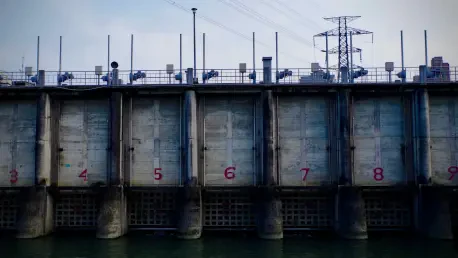

Ranking among the top ten power producers in the nation, the U.S. Army Corps of Engineers maintains a vast network of infrastructure spread across five primary geographical divisions. This expansive footprint establishes the agency as the largest producer of hydroelectric power in the United States, managing a legacy that stretches back over 140 years. With 356 generating units housed within 75 multi-purpose projects, the agency generates more than 70 billion kilowatt-hours of clean energy annually. This output accounts for over 25 percent of the total domestic hydropower capacity, providing a steady flow of renewable electricity to ten major metropolitan areas. Beyond mere generation, these facilities are integral to the national energy security framework, offering a baseline of power that balances the intermittent nature of other renewables like wind and solar. By maintaining this critical infrastructure, the agency ensures the stability of the American electrical grid through various environmental shifts.
Advanced Engineering: Implementing Pump-Back Storage
A primary pillar of the modernization strategy involves the implementation of sophisticated pump-back technology, a system most effectively demonstrated at the Richard B. Russell Dam. This technology functions effectively as a massive, water-based battery that allows operators to cycle water between reservoirs to optimize energy production throughout the day. During periods of peak demand, water is released through turbines to generate electricity, meeting the immediate needs of the grid. Conversely, during off-peak hours when electricity costs are lower, the same water is pumped back into the upper reservoir using surplus energy from other sources. This closed-loop mechanism ensures that water is treated as a reusable resource, maximizing the energy potential of every gallon available. Such systems are vital in a landscape where energy storage is just as important as generation, providing a reliable buffer against the volatility of consumer demand and weather patterns.
The efficiency gains realized through pump-back systems provide a crucial advantage during periods of environmental stress, such as regional droughts or intense summer heatwaves. By recycling the existing water supply within a controlled system, the Corps can maintain consistent power output even when natural inflow into the reservoirs is significantly reduced. This ability to manage water resources with precision ensures that energy production remains resilient against the unpredictability of shifting weather cycles. Furthermore, the integration of advanced sensors and real-time data analytics allows for more precise timing of these pumping cycles, which further reduces operational costs and enhances overall system longevity. These engineering advancements transform traditional dams into dynamic assets capable of responding to the modern grid’s complexities. By prioritizing these technological upgrades, the agency is successfully bridging the gap between historical infrastructure and high-tech energy requirements.
Policy Innovation: Integrating Private Sector Growth
Complementing the physical engineering upgrades is a pivotal shift in administrative strategy known as the Building Infrastructure, Not Paperwork initiative. This program represents a departure from traditional bureaucratic processes by prioritizing the retrofitting of existing dams over the lengthy and environmentally complex construction of entirely new facilities. By focusing on the modernization of current sites, the Corps can bypass many of the regulatory hurdles that often stall large-scale energy projects for years. This initiative emphasizes the installation of high-efficiency turbines and upgraded electrical components within established footprints, significantly increasing power output without expanding the environmental impact of the dam. The streamlined approach facilitates faster implementation of new technologies, ensuring that the federal hydropower fleet remains at the leading edge of the industry. This policy refocus allows the agency to deliver more clean energy while reducing the overhead associated with federal project management.
Growth in the sector is further accelerated by opening federal infrastructure to private industry through special authorizations and collaborative agreements. The agency currently allows private developers and local governments to add power-generating capabilities to existing non-powered federal locks and dams. This collaborative approach has already integrated 65 active private plants into the system, contributing an additional 2,500 megawatts of capacity. With over 1,100 megawatts currently in the planning and permitting pipeline, this partnership model ensures that federal assets serve as a catalyst for broader economic growth and renewable energy expansion. These modern replacements enable much higher energy production from the same amount of water, strengthening the nation’s energy independence while significantly reducing costs for the public. This cooperative model ensures that the public benefits from innovations in hydroelectric engineering without the delays historically associated with government-led construction projects.
Economic Sustainability: Maintaining National Grid Resilience
The financial framework supporting these extensive modernization efforts was built on a self-sustaining model that eliminated the need for continuous infusions of federal taxpayer funding. All electricity generated by the Corps of Engineers was sold to federal preference customers, a group that included non-profit municipal utilities and rural electric cooperatives. This arrangement ensured that the benefits of low-cost, renewable hydropower were passed directly to local communities and smaller utility providers across the country. The revenue generated from these power sales was meticulously tracked and reinvested back into the hydroelectric system to cover the ongoing costs of operation, maintenance, and the original construction debt. This circular funding mechanism created a predictable source of capital for infrastructure projects, allowing the agency to plan long-term upgrades with confidence. By decoupling modernization from the annual federal budget cycle, the agency maintained a steady pace of innovation throughout the project.
Moving forward, the focus must shift toward expanding the collaborative model that opens federal locks and dams to private power generation. Decision-makers should prioritize the rapid approval of the 1,100 megawatts of capacity currently in the permitting pipeline to maximize the utility of every federal asset. Additionally, the integration of digital twin technology and artificial intelligence will be necessary to manage the increasingly complex interactions between hydropower, solar, and wind on the national grid. By treating every existing dam as a potential site for technological enhancement, the nation can achieve greater energy independence and climate resilience. The continued evolution of these sites into smart, multi-purpose energy hubs will provide the flexibility needed to support a modern economy. This strategic trajectory ensures that the investment in hydropower continues to yield substantial dividends. Future efforts should also include workforce training programs to manage these advanced digital systems as they become standard.