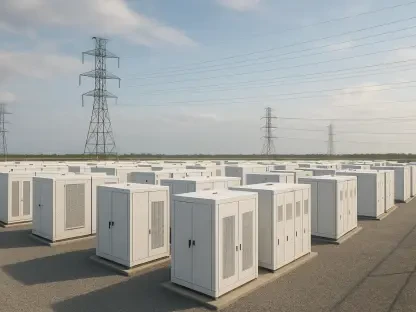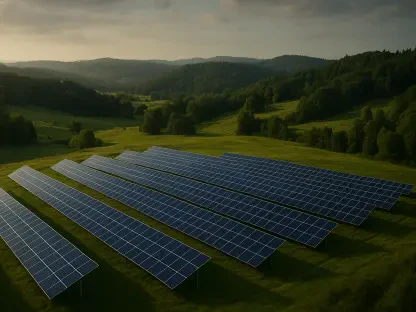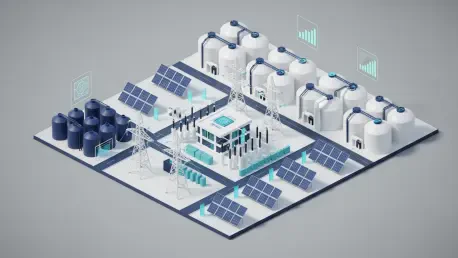

The United Kingdom energy landscape is undergoing a radical transformation as traditional fossil fuel generation retreats in favor of a decentralized, weather-dependent infrastructure that demands unprecedented levels of flexibility and coordination. With the rapid deployment of utility-scale solar farms across the southern counties and the Midlands, the National Grid faces the complex task of balancing instantaneous supply with fluctuating demand. This shift is not merely a change in fuel source but a complete reimagining of grid architecture, where storage assets serve as the primary buffer against solar intermittency. As solar capacity continues to expand from 2026 to 2030, the integration of co-located Battery Energy Storage Systems (BESS) becomes essential to prevent curtailment during peak production hours. This evolution creates a high-stakes environment where energy density and discharge duration determine the viability of regional power hubs. The sheer scale of this transition necessitates a more agile regulatory framework to ensure that the influx of renewable electrons does not compromise system frequency or voltage stability.
Balancing Synchronous Stability: Technical Challenges
Technical integration remains the most significant hurdle as the grid moves away from the inherent inertia provided by the heavy rotating turbines of coal and gas plants. To compensate for the loss of this natural stability, newer solar installations are being paired with advanced inverter technologies and synchronous condensers that mimic the behavior of traditional generators. These systems allow the grid to maintain a steady 50Hz frequency even when clouds pass over large-scale arrays or when demand surges unexpectedly. Beyond short-term lithium-ion solutions, the focus is shifting toward Long-Duration Energy Storage (LDES) technologies, such as liquid air or flow batteries, which can discharge power for eight hours or more. From 2026 to 2032, these assets will likely define the resilience of the UK power sector. They provide a bridge across days with low solar irradiance. Grid operators are also leveraging high-voltage direct current (HVDC) links to move solar-generated power from rural areas to urban centers. This technical sophistication ensures that the transition to solar remains robust against both weather volatility and sudden equipment failures.
Market Evolution: Strategic Pathways for Reliability
The successful orchestration of solar and storage assets required a fundamental shift in how market participants valued flexible capacity over raw energy volume. Investors prioritized hybrid projects that utilized shared grid connections to maximize revenue through ancillary services, such as frequency response and capacity market contracts. Policymakers introduced streamlined planning processes for large-scale storage, which reduced the bottleneck of grid connection queues that previously hindered progress. These strategic moves allowed for a more balanced distribution of energy across the nation, effectively lowering the overall cost of balancing the system. Stakeholders recognized that deeper investments in grid-forming inverters and diversified storage chemistries were necessary to mitigate supply chain risks. It also became vital that digital twin technology served as a standard for simulating grid stress under extreme weather scenarios. These proactive measures secured a pathway toward a self-sustaining electrical network. This foresight turned the initial challenges of variability into a reliable foundation for long-term national energy security and price stability for consumers.