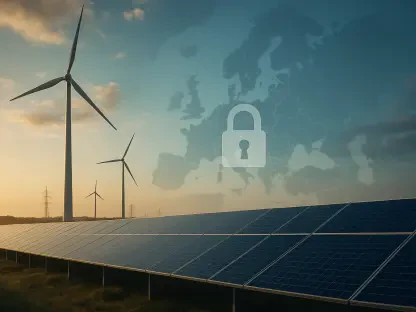

Substituting finite hydrocarbons with sunshine removes the primary economic weapon used by aggressors to exercise international coercion. For decades, the global community has witnessed how the geographical concentration of oil and gas reserves creates a volatile landscape where energy resources are leveraged as tools of war. Unlike fossil fuels, which require extensive and vulnerable supply chains, solar energy is ubiquitous and inherently decentralized. This fundamental shift means that the sun, shining equally across borders, cannot be easily hoarded or blockaded by hostile actors. As nations integrate distributed renewable generation, the strategic calculus that once favored resource-driven aggression begins to dissolve. This transition represents more than a shift in power generation; it is a profound transformation of the international security architecture. By prioritizing energy independence through local solar arrays, regions are effectively insulating themselves from the fluctuations and political demands of petrostates.
Strategic Security: Decentralizing the Global Power Grid
The Inherent Resilience of Distributed Energy Systems
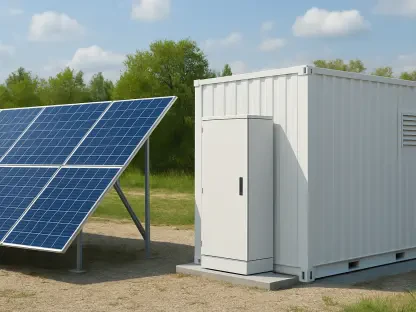
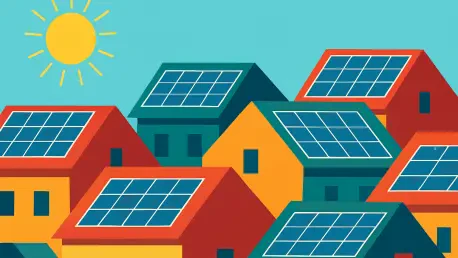
The historical reliance on centralized energy infrastructure has often left nations vulnerable to targeted strikes and economic blackmail, particularly in regions where crude reserves are sparse. In the current landscape of 2026, the proliferation of rooftop solar installations and community battery storage systems is creating a resilient fabric that bypasses traditional logistical risks. From island nations to conflict-prone areas in Eastern Europe, these operational hedges ensure that essential services continue even when centralized grids are compromised. Because solar power is generated at the point of use, it lacks the high-profile targets that military planners typically prioritize during theater operations. The move toward a distributed grid shifts the focus from defending vulnerable pipelines and refineries to maintaining localized systems that are much harder for an aggressor to disable. Consequently, the tactical advantage of threatening an opponent’s energy supply is being systematically and permanently eroded.
Eliminating the Leverage of Petrostate Diplomacy
Eliminating the dependency on imported hydrocarbons directly strips military aggressors of their primary economic leverage. Recent developments in 2026 show that the use of large-scale battery storage has allowed regions like California to slash natural gas consumption for electricity by over 60 percent in just a two-year period. This rapid decline in fossil fuel reliance demonstrates that the economic dominance of solar power is not just a theoretical benefit but a practical reality. When a state no longer requires vast quantities of imported oil to keep its lights on, it becomes significantly more difficult for external powers to exert influence through energy blockades or price manipulation. This newfound autonomy allows for a more independent foreign policy, where diplomatic decisions are made based on shared values rather than the necessity of securing fuel shipments. As more nations achieve periods where clean energy meets the entirety of their demand, the traditional power dynamics are restructured.
Economic Stability: Decoupling Growth from Hydrocarbons
Market Acceleration and the End of Fossil Dominance
The momentum behind the global energy transition has reached an irreversible stage, driven by the sheer economic competitiveness of renewable technology. In Europe, the surge in electric vehicle sales through late 2026, particularly in markets like France and Germany, highlights a broader shift away from the volatile pricing of liquid fuels. This consumer-led move toward electrification is mirrored by industrial adoption, where factories are increasingly powered by onsite solar farms to ensure cost stability. Unlike the boom-and-bust cycles associated with oil markets, the costs of solar and battery technology continue to decline, providing a predictable foundation for economic growth. This stability is a critical component of international peace, as it reduces the likelihood of social unrest triggered by energy poverty. By decoupling economic prosperity from the fluctuations of global oil prices, nations can focus on domestic development and cooperative trade, reinforcing a world order where security is a right.
Future Frameworks: A New Foundation for International Peace
International leaders successfully identified that the transition to renewable energy was the most effective pathway toward long-term global stability. By investing in cross-border grid interconnections and sharing battery storage innovations, countries moved toward a collaborative model of energy security. The focus shifted from competing for finite resources to optimizing the harvest of ubiquitous sunshine and wind. To maintain this progress, policymakers prioritized the expansion of local manufacturing for solar components and ensured that developing nations had the financial tools to bypass the fossil fuel era. This approach turned energy from a source of friction into a medium for international cooperation. The structural changes implemented throughout 2026 provided a blueprint for decoupling economic health from military aggression. Moving forward, the continued decentralization of power generation remained the primary defense against energy-based coercion, ensuring that energy independence was achieved through technology.