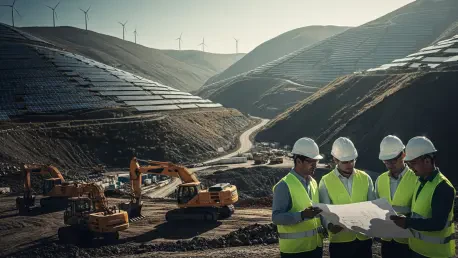

Morocco’s National Office of Electricity and Drinking Water has initiated the formal tendering process for the El Menzel pumped-storage facility, marking a pivotal transition toward large-scale energy infrastructure realization. Situated in the Fez-Meknes region southeast of Sefrou, this 362 MW project represents a sophisticated engineering endeavor offered as a turnkey Engineering, Procurement, and Construction contract. The shift into the procurement phase signals the end of preliminary technical scoping and the beginning of a multi-year execution stage that aims to transform the domestic power landscape. By moving forward with this tender, the government is solidifying its commitment to diversifying the national energy mix while fostering industrial growth through international collaboration. This facility is expected to serve as a cornerstone for regional development, providing both construction jobs and long-term energy security for the growing urban and industrial hubs nearby.
Grid Stability: Integrating Renewables Through Energy Storage
The primary function of the El Menzel station is to mitigate the inherent volatility associated with the country’s massive investments in solar and wind power networks. As these renewable sources expand, the need for a “water battery” becomes critical for maintaining a balanced and resilient grid that can handle sudden fluctuations in weather conditions. This facility provides the necessary flexibility and rapid-response capacity to stabilize the national high-voltage network during periods of high demand or low renewable generation. Once completed, El Menzel will operate alongside established stations such as Afourer and the recently developed Abdelmoumen, creating a robust portfolio of hydraulic storage solutions. This strategic approach effectively reduces the national reliance on fossil-fuel-based peaking plants, which are typically more expensive and carbon-intensive. By prioritizing such storage technology, the utility provider ensures that green energy remains a viable contributor to the total power supply.
Technical Mechanics: Operational Efficiency of Water Batteries
From a technical standpoint, the plant utilizes two reservoirs situated at significantly different elevations to store energy in the form of gravitational potential. During off-peak hours, when wind and solar output often exceed consumption, excess electricity is used to pump water from the lower reservoir to the upper one. When the national grid experiences a surge in demand, this stored water is released through high-efficiency turbines to generate clean electricity within minutes. This rapid mechanical reaction allows grid operators to manage supply shifts with remarkable precision, providing a safety net that prevents outages and frequency instability. The design of the El Menzel station incorporates advanced hydraulic machinery capable of operating under high pressure, ensuring maximum efficiency during both the pumping and generation cycles. Such infrastructure is essential for modernizing the energy grid, as it allows for the seamless integration of renewable sources without compromising service reliability.
Strategic Alliances: Competitive Bidding and Global Expertise
The procurement process for this project has entered its final competitive stage following a comprehensive selection period that began earlier in the decade. Three international consortiums have been prequalified to submit their final bids by September 2026, representing some of the most experienced engineering firms in the global hydroelectric sector. These groups include a partnership between CWE, Harbin Electric, and Jet Contractors, which bridges Chinese industrial expertise with Moroccan construction capabilities. Another contender is the Sinohydro and Andritz venture, which combines large-scale civil engineering power with Austrian precision turbine technology. The third group involves Webuild and Dongfang Electric, an alliance that brings together European infrastructure heritage and Asian manufacturing scale. These diverse teams are now competing to provide the most cost-effective and technically sound solution for the Fez-Meknes site. The competitive nature of this tender ensures that the final contract will adhere to the highest international benchmarks.
Social Governance: Sustainable Development and Financial Framework
To secure the financial and social foundation of the project, administrators implemented a diversified funding structure led by the Islamic Development Bank and European partners. These institutions provided the capital necessary to navigate the high intensity of hydraulic construction while ensuring that all works adhered to strict transparency and governance standards. Dedicated advisors conducted thorough impact assessments to protect local biodiversity and established clear land acquisition protocols to respect community livelihoods throughout the development cycle. By following these international benchmarks, the utility provider established a sustainable model for regional infrastructure that balanced energy needs with ecological preservation. Project coordinators prioritized the integration of advanced digital monitoring systems to optimize the dispatch of stored energy in real time. These actions provided a clear roadmap for subsequent hydraulic projects, demonstrating that technical excellence and social responsibility were mutually inclusive goals in the energy transition.