
Christopher Hailstone is a seasoned veteran of the energy sector, bringing decades of experience in energy management and grid infrastructure to the table. As a specialist in utilities and renewable integration, he has spent his career navigating the technical and economic shifts that define how we power our modern lives. His insights are particularly vital as the nation faces a pivotal summer characterized by record-breaking solar expansion and a steady retreat from traditional coal-fired power. Christopher’s ability to bridge the gap between complex EIA data and the lived reality of grid reliability makes him a leading voice for understanding the current transformation of the American electrical landscape.
The following discussion examines the significant 20% surge in solar capacity and how this influx is reshaping the energy mix. We explore the factors contributing to the 11% decline in coal consumption, the role of natural gas prices in determining fuel usage, and the collective growth of wind, hydro, and nuclear power. Christopher also provides his perspective on the challenges of meeting rising electricity demand during increasingly hot summer months.
With solar capacity increasing by 20% this year, how are grid operators balancing this influx while ensuring the lights stay on during the hottest months?
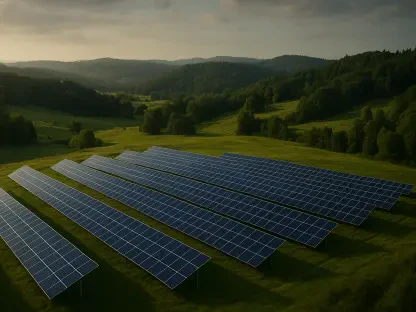
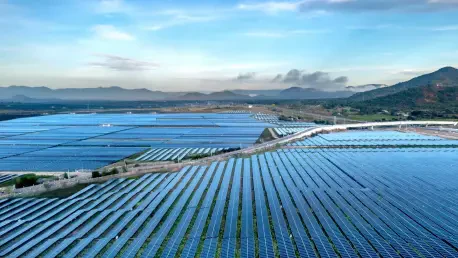
Integrating such a massive surge in capacity is a feat of modern engineering, but it is exactly what the grid needs as we face more extreme weather. We are anticipating that utility-scale solar generation will increase by 19% this summer compared to last year, which is a direct reflection of that 20% jump in capacity. This is critical because we are bracing for a hotter summer, with a 3% increase in cooling degree days expected from June to September. When the sun is beating down and the demand for air conditioning spikes, being able to meet almost that entire increase in generation through renewable fuel sources is a game-changer for grid stability. You can almost feel the relief in the control rooms when that solar production peaks just as the heat reaches its daily maximum.
We are seeing a significant shift away from coal, with consumption dropping 11% recently. What does this transition look like on the ground as traditional plants are sidelined by renewables?
The retreat from coal has been quite aggressive, with consumption declining by 11% in both the first and second quarters of 2026 compared to the previous year. We saw a very warm March and April, which, combined with lower natural gas prices, significantly reduced the economic incentive to burn coal for power. It is a striking sight to see coal production forecasts trending downward across all producing regions through at least December 2027. However, grid operators remain vigilant; if natural gas prices rise in tandem with warmer-than-normal temperatures, we might see a temporary uptick in coal consumption over the summer months. It is a delicate dance between environmental goals and the immediate necessity of keeping the power flowing when the mercury rises.
Beyond solar, wind is seeing a 10% jump in generation. How does the interplay between wind, hydro, and nuclear create a more resilient energy mix compared to previous years?
The strength of our current energy landscape lies in its diversification, moving us away from a reliance on any single fuel source. Wind generation is forecast to increase by 10% this year, staying consistent with a nearly 8% rise in average wind capacity. When you add the smaller but vital increases of 5% in hydro and 1% in nuclear generation, you see a robust portfolio that can handle the projected 3% increase in total generation, or the additional 1,620 billion kWh needed this summer. This mix ensures that even if the wind dies down or cloud cover affects solar, we have various layers of “spinning reserve” to keep the frequency of the grid stable. Walking through a modern utility facility, you see how these different streams converge to provide a cleaner, more reliable flow of electricity than we had even five years ago.
What is your forecast for the coal industry through the end of 2027?
The long-term outlook for coal remains on a downward trajectory, with generation expected to decline by about 2% this summer alone as renewables take the lead. While coal consumption mostly follows the needs of the electric power sector, the sustained decrease in production across all regions through December 2027 suggests a structural shift rather than a temporary lull. We may see brief surges in coal usage if natural gas prices become volatile or if we hit record-breaking heatwaves that exhaust other resources. Ultimately, however, the momentum of the 20% growth in solar and 10% growth in wind suggests that coal will continue to be squeezed out of the market by more cost-effective and cleaner alternatives. The era of coal as the primary backbone of the American grid is clearly winding down in favor of a more dynamic, renewable-heavy future.