
As California scales up its renewable energy infrastructure, researchers are examining how man-made solar platforms might inadvertently replace lost shoreline vegetation in agricultural landscapes. In the agricultural heartlands, such as the Central Valley, the proliferation of irrigation ponds has long served as a secondary refuge for migratory birds navigating the Pacific Flyway. However, as these water bodies are increasingly covered with expansive floating solar arrays—known as floatovoltaics—the fundamental nature of these habitats is undergoing a rapid transformation. The shift toward floating systems is driven by the dual benefits of preserving valuable agricultural land and reducing water evaporation in drought-prone regions. Yet, the introduction of these massive, modular structures presents a complex ecological puzzle. While they provide a clean source of power, they also modify the light penetration, water temperature, and physical accessibility of the water surface, potentially altering the survival strategies of local avian populations.
Ecological Function of Floatovoltaic Arrays
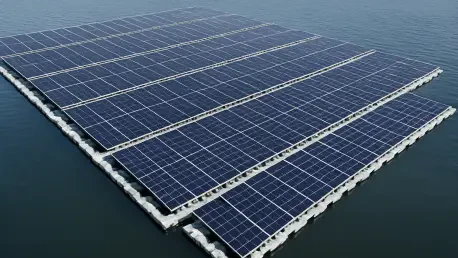
The integration of floating solar panels into aquatic environments creates a unique structural landscape that differs significantly from natural wetlands or open water. These arrays typically consist of hundreds of photovoltaic modules mounted on high-density polyethylene floats, anchored to the bottom of the reservoir or pond. By covering a substantial portion of the water surface, these systems limit the growth of cyanobacteria and other aquatic vegetation that birds often rely on for food. The reduction in sunlight penetration can lead to cooler water temperatures, which might favor certain fish species while detrimental to others, thereby shifting the available prey base for piscivorous birds. Furthermore, the physical presence of the arrays restricts the landing and takeoff zones for larger waterfowl, such as geese and swans, which require long stretches of open water. This physical barrier forces birds to either adapt to the limited available space or seek alternative habitats, which are becoming increasingly scarce in modernized agricultural regions.
Beyond the immediate physical displacement, the chemical and thermal changes induced by floating solar installations have broader implications for the local food web. Reduced evaporation rates are a significant benefit for water management, but the lack of air-water gas exchange under the panels can lead to localized hypoxia, affecting the invertebrates that serve as a primary food source for many shorebirds. Researchers have noted that the shade provided by the panels can create micro-climates that attract specific species of insects, which in turn might lure insectivorous birds to the structures. However, this attraction is not always beneficial, as the hard surfaces of the panels do not provide the same protection from predators that natural reeds or thickets offer. The transition from a naturalistic pond to a mechanized energy facility requires a meticulous evaluation of how these abiotic changes ripple through the ecosystem. Understanding these dynamics is essential for ensuring that the push for carbon neutrality does not come at the expense of the regional biodiversity that depends on these inland water bodies.
Technological Innovation and Conservation Strategies
Developing sustainable solutions for floating solar requires a multidisciplinary approach that combines engineering precision with ecological insight. One of the most promising avenues for mitigation involves the integration of artificial nesting islands and perching structures directly into the design of the floatovoltaic systems. These additions can compensate for the loss of natural shoreline by providing safe spaces for birds to breed and rest, effectively turning a power plant into a multi-functional ecological asset. Additionally, the use of anti-reflective coatings and specialized glass textures can significantly reduce the risk of avian collisions and sensory confusion. By altering the visual signature of the panels, engineers can make the structures less attractive or more recognizable to birds in flight. Furthermore, the implementation of “smart” monitoring systems, utilizing high-resolution cameras and acoustic sensors, allows for real-time tracking of bird interactions. This data can inform operational changes, such as adjusting the tilt of panels or deploying deterrents during peak migration periods to prevent mass casualty events across the network.
The investigation into floating solar panels and their impact on bird habitats highlighted the critical need for proactive environmental planning. Researchers identified that while the immediate benefits of renewable energy were clear, the secondary effects on avian biodiversity required careful management to avoid long-term ecological degradation. It was determined that the most successful projects were those that incorporated ecological safeguards from the initial design phase rather than attempting to retrofit solutions after installation. Policymakers and energy developers moved toward a model where solar infrastructure was viewed as part of a larger, living system, leading to the creation of guidelines that prioritized habitat connectivity. These efforts ensured that the expansion of floating solar contributed to climate goals without compromising the integrity of the Pacific Flyway. Ultimately, the collaboration between ecologists and engineers proved that technological advancement and wildlife conservation could coexist through innovation. This shift in perspective fostered a more resilient energy grid that respected the biological requirements of the species sharing the landscape.