
The federal government has initiated a massive strategic redirection of the nation’s energy portfolio by allocating seven hundred sixty-five million dollars to terminate existing offshore wind contracts in favor of natural gas facilities. This decision marks a significant departure from previous environmental goals, signaling a prioritized return to traditional fuel sources for domestic power generation. By compensating developers to halt projects in various stages of planning, the administration aims to fast-track the construction of several gas-fired plants along the Eastern Seaboard. Proponents of this move argue that gas provides a more reliable baseload for the national grid, whereas critics express concern over the sudden abandonment of renewable investments. The financial settlement is designed to mitigate legal challenges while clearing federal waters for new logistical uses. This pivot reflects a broader ideological shift toward energy independence through proven, high-capacity technologies.
Financial Reallocation: Market Realignment and Developer Payouts
The distribution of the seven hundred sixty-five million dollars involves a series of negotiations with major international energy conglomerates that held the rights to lease areas in the Atlantic. These funds are intended to cover the sunk costs of preliminary environmental assessments, engineering designs, and the procurement of specialized turbine components that are no longer required under the new federal mandate. By providing this substantial payout, the administration effectively clears the regulatory hurdles that often stall large-scale energy transitions, ensuring that previous stakeholders are made whole before the shift to gas infrastructure begins. This fiscal strategy serves as a buffer against potential market volatility that typically follows such drastic shifts in national policy. Economists note that while the upfront cost is significant, the long-term goal is to stabilize electricity prices by increasing the supply of natural gas, which remains an inexpensive and abundant commodity.
Market reactions to this financial injection have been immediate, as investors grapple with the loss of long-term renewable growth projections in the offshore sector. Utility companies that had planned to integrate wind energy into their portfolios are now recalibrating their capital expenditure budgets to align with the renewed focus on natural gas. This realignment has led to a surge in stock prices for fossil fuel infrastructure firms, while renewable energy manufacturers face a challenging period of restructuring. The federal payout also sets a precedent for how future administrations might handle the termination of long-term lease agreements, creating a new level of political risk for developers operating in federal waters. Despite these concerns, the immediate infusion of capital into the gas sector is expected to accelerate the construction of pipelines and processing facilities, creating thousands of short-term jobs in the heavy construction and specialized engineering sectors.
Infrastructure Transformation: Grid Stability and Future Logistics
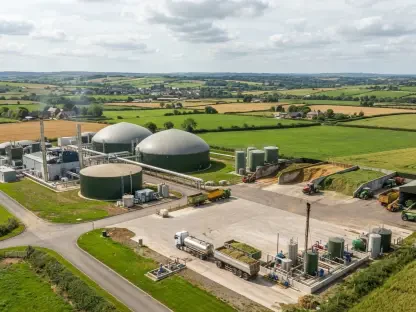
Transitioning from offshore wind turbines to onshore gas-fired power plants requires a fundamental redesign of the regional electrical transmission networks that connect coastal areas to the interior. The existing plans for subsea cables and offshore substations must now be discarded or repurposed to facilitate the logistical needs of gas delivery systems and high-capacity combustion plants. This shift involves significant logistical challenges, as the locations previously designated for wind farm interconnection points may not be suitable for the heavy industrial footprint of natural gas facilities. Engineers are currently assessing the feasibility of utilizing established maritime routes for the transport of liquefied natural gas or the construction of new undersea pipelines to supply these coastal hubs. The integration of high-volume gas generation into the grid is intended to provide a steady flow of power, addressing the intermittent nature of solar and wind resources.
The decision to reallocate seven hundred sixty-five million dollars represented a calculated move to prioritize industrial stability over long-term decarbonization goals. Policymakers focused on the immediate necessity of securing the nation’s power supply, leading to the selection of natural gas as the primary vehicle for this transition. Stakeholders recognized the need for a diversified energy mix that accounted for both technological limitations and economic realities. Moving forward, the industry prepared for a landscape where fossil fuel integration played a central role in grid management strategies. This transition emphasized the importance of maintaining flexible infrastructure that could adapt to changing political and economic climates. Leaders in the energy sector identified critical gaps in existing pipelines and prioritized the expansion of storage facilities to support the new generation capacity. The government established clear pathways for public-private partnerships to ensure that the transition remained viable.