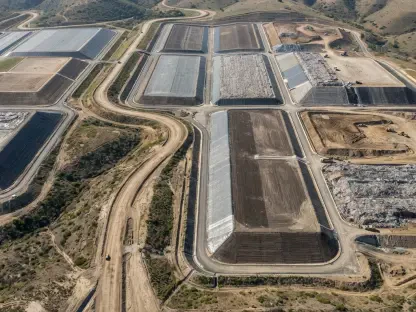

The average American now discards approximately 80 pounds of clothing every year, fueling a waste stream that is expanding faster than almost any other category of municipal refuse. While the bins at local thrift stores offer a sense of communal relief, the reality behind the curtain is far grimmer, with a staggering 85% of these materials ultimately destined for incineration or a landfill. This systemic failure stems from a fundamental disconnect between how we manufacture modern fashion and how we attempt to dismantle it. A single t-shirt is no longer just a garment; it is a complex molecular puzzle of cotton fibers, polyester strands, and elastic polymers that defies traditional sorting methods.
For decades, the recycling industry relied on the “read the tag” method, a manual and labor-intensive process prone to human error and inconsistency. As global supply chains embraced intricate synthetic blends to provide stretch and durability, these manual systems collapsed under the weight of material complexity. Today, the sector is undergoing an industrial metamorphosis, shifting toward a sophisticated infrastructure designed to identify, sort, and process textiles with surgical precision. The objective is no longer merely to clear out closets, but to transform discarded clothing into high-value raw materials that can re-enter the production cycle as virgin-quality feedstock.
The Hidden Molecular Complexity of Your Old T-shirt
Understanding why a simple blend of cotton, polyester, and elastin presents such a hurdle requires looking past the fabric’s surface to its chemical makeup. When these materials are woven together, they create a composite that traditional mechanical shredders cannot easily separate without degrading the fiber length and quality. This degradation historically limited recycled textiles to low-value applications like carpet padding or industrial rags. However, the modern push for “fiber-to-fiber” regeneration demands a level of purity that labels and hand-sorting simply cannot provide, especially when labels are missing or provide inaccurate data regarding trace synthetics.
This transition from a charity-based disposal model to an industrial sector represents a massive shift in how the United States views its waste. By treating a pile of old jeans as a resource rather than a burden, companies are beginning to bridge the gap between ecological necessity and economic viability. The goal is to move toward a circular economy where the molecular components of a garment are reclaimed and repurposed. This evolution is essential because as long as textile recovery remains stagnant at 15%, the environmental footprint of the apparel industry will continue to outpace any incremental gains made in sustainable manufacturing.
From Human Error to Molecular Precision
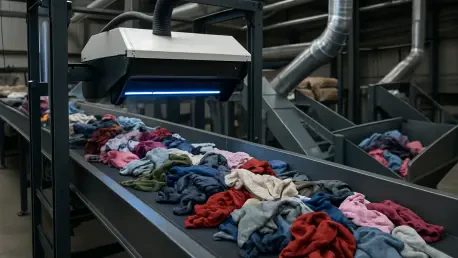
The limitations of traditional mechanical recycling have paved the way for the integration of spectroscopy and Artificial Intelligence. Automated systems now utilize near-infrared (NIR) sensors to scan garments on a conveyor belt, identifying fiber composition at a molecular level in milliseconds. Unlike a human sorter, these AI-driven platforms can detect “invisible” disruptors like low-percentage elastin, which can ruin a chemical recycling batch if not removed. This precision ensures that the resulting feedstock meets the stringent purity requirements needed to create new, high-quality yarns.
Beyond simple material identification, the next frontier of this technology involves AI-driven quality control for the burgeoning resale market. New systems are being trained to scan for pilling, tiny rips, and faded colors, allowing facilities to automatically divert high-quality items back to retail shelves while sending damaged goods to regeneration plants. This dual-pathway approach maximizes the value of every pound of material collected. By automating these decisions, the industry can scale its operations to handle the millions of tons of waste generated annually, effectively bridging the gap between small-scale thrift operations and massive industrial fiber-to-fiber regeneration hubs.
Infrastructure Scaling Through Strategic Partnerships
Scaling this technology requires more than just smart software; it demands a complete overhaul of the physical waste management landscape. Traditional waste management giants are now integrating robotics and NIR sensors into regional hubs, marking a significant departure from their historical focus on paper and plastic. In states like South Carolina and Arizona, industrial-scale processing centers are serving as testing grounds for these integrated systems. These facilities act as regional magnets, drawing in textile waste from surrounding municipalities and processing it through a high-tech filter that determines its next life.
This progress is further accelerated by a “Regional Ecosystem” model, where collectors like Goodwill collaborate with specialized recyclers. This partnership creates a closed-loop system where low-quality synthetics are funneled directly into facilities capable of producing 100% recycled polyester. By establishing these localized loops, the industry reduces the carbon footprint associated with transporting waste and ensures a steady supply of feedstock for manufacturers. This transition signifies a cultural shift among industrial leaders who no longer view textiles as “junk” but as a reliable, predictable raw material for the next generation of apparel.
EPR Legislation: The Economic Engine of Circularity
Technology provides the tools, but legislation provides the capital and the mandate. Extended Producer Responsibility (EPR) laws are fundamentally shifting the financial burden of waste management from local taxpayers back to the brands that produce the clothing. California has emerged as a pioneer in this space, implementing state-level mandates that require brands to fund and manage the end-of-life cycle for their products. These mandates are overseen by Producer Responsibility Organizations, which act as the administrative glue connecting manufacturers, recyclers, and government agencies to ensure compliance by 2030.
The economic impact of these laws cannot be overstated, as they provide the long-term financial certainty needed for infrastructure investment. When a legislative mandate exists, capital flows more freely into AI upgrades and regional sorting facilities because there is a guaranteed demand for the services. While some states like New York and Minnesota are rapidly following California’s lead, others have faced hurdles in passing similar measures. However, the momentum toward a national framework is building, as brands realize that a fragmented regulatory environment is more difficult to navigate than a unified circular strategy.
Implementing a Circular Strategy: Frameworks for a Modernized Industry
To capitalize on this technological and legislative shift, brands must now adopt “Recyclable-by-Design” frameworks. This means simplifying material choices during the manufacturing phase to ensure that garments are easier for AI systems to sort and for chemical plants to process. By reducing the number of complex blends and focusing on mono-materials, fashion houses can de-risk their own supply chains and ensure their products are eligible for high-value regeneration. This proactive approach turns recycling from an afterthought into a primary design constraint.
Municipalities and private investors also have a critical role to play in bridging the remaining investment gaps. By incorporating textile recycling requirements into municipal requests for proposals and leveraging state-level policy incentives, local governments can de-risk the adoption of AI-enabled sorting. Future considerations should include the development of a digital “product passport” that tracks a garment’s material history, providing even deeper data for sorting metrics. These actionable steps will move the industry toward a hierarchy where repair and resale are prioritized, ensuring that every thread is utilized to its highest potential before it is finally returned to its molecular roots. This comprehensive strategy shifted the focus from managing waste to engineering the future of sustainable material procurement.