
A New Era of Producer Responsibility in the Golden State
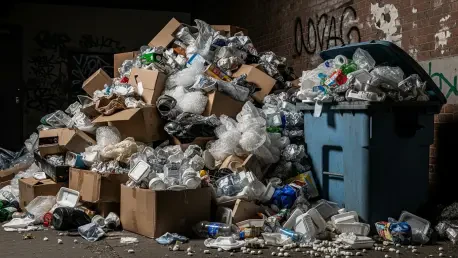
The Golden State is fundamentally redefining the relationship between industry and the environment by shifting the massive financial burden of waste management from local taxpayers directly onto the massive corporations that generate packaging. California has officially embarked on one of the most ambitious environmental initiatives in United States history, signaling a fundamental shift in how the world’s fifth-largest economy manages trash. By unveiling a comprehensive, multi-billion-dollar roadmap for packaging waste, the state is moving away from a model where the public shoulders the burden of disposal and toward a system of Extended Producer Responsibility. This strategy mandates that companies producing the plastic, paper, and metal packaging used by millions of residents must now take financial and operational responsibility for the entire lifecycle of those materials. The scope of this plan is unprecedented, aiming not just to improve recycling rates but to fundamentally redesign the supply chain to prioritize sustainability and environmental justice.
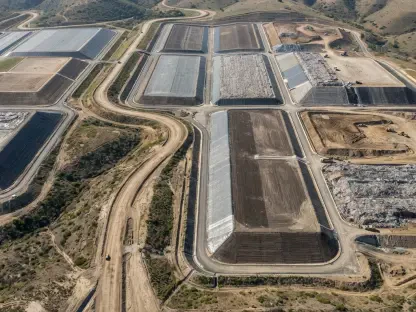
The background of this initiative is rooted in a growing global crisis of plastic pollution and the failure of traditional recycling systems to keep pace with modern consumption. As landfills reach capacity and microplastics increasingly infiltrate ecosystems, the legislative response seeks to force innovation at the source. This timeline is crucial for understanding how the state transitioned from high-level legislative goals to a granular, billion-dollar operational plan. It highlights the intricate balance between government oversight and industry compliance, providing a blueprint for other states and nations looking to curb the tide of single-use waste.
From Legislation to Execution: The Timeline of California’s Packaging Reform
June 2022: The Passage of Senate Bill 54
The journey began with the signing of Senate Bill 54, also known as the Plastic Pollution Prevention and Packaging Producer Responsibility Act. This landmark legislation set the foundation for the current plan, establishing aggressive targets for plastic reduction and recycling. It mandated that by 2032, all packaging in California must be recyclable or compostable, while also requiring a significant reduction in single-use plastic production. This event was the catalyst for the creation of a Producer Responsibility Organization, which eventually became the Circular Action Alliance, tasked with managing the industry’s collective compliance.
2023 to Early 2024: Strategic Delays and Program Foundations
Following the passage of the law, the state entered a complex phase of regulatory development and organizational structuring. During this period, the program encountered its first significant hurdle: a year-long delay. This pause was primarily driven by the immense logistical challenges of coordinating thousands of diverse producers and the substantial costs associated with establishing a brand-new waste infrastructure. Despite the friction, this time was used to refine the fee-setting mechanisms and to allow the Circular Action Alliance to consult with stakeholders on the practicalities of managing dozens of different material categories.
July 2024: The Circular Action Alliance Releases the Draft Plan
A major breakthrough occurred in mid-2024 when the Circular Action Alliance released its 350-page draft program plan. This document served as the first detailed look at the financial and operational mechanics of the initiative. The plan unveiled a staggering budget, projecting that producers would need to contribute approximately $1.87 billion annually starting in 2027. The document detailed how these funds would be used to reimburse local governments for recycling costs, invest in new processing technologies, and implement ecomodulation, a system where companies pay lower fees for packaging that is easier to recycle.
August 2024: The Critical Window for Public Engagement
With the draft plan public, the focus shifted to a high-stakes period of transparency and feedback. A public comment window was established, ending on August 14, 2024, to allow environmental advocates, local municipalities, and smaller businesses to voice their concerns. This stage was vital for identifying gaps in the plan, such as potential inequities in service access or the feasibility of source reduction targets. It represented the final opportunity for external stakeholders to influence the structure of the program before it moved toward formal state approval.
October 2024: Final Plan Submission to CalRecycle
The timeline points toward a definitive milestone in the fall of 2024. After incorporating feedback from the public comment period, the Circular Action Alliance is scheduled to submit its final, refined plan to CalRecycle, the state’s waste management department. This submission marks the transition from a proposed strategy to an actionable government-mandated program. Once CalRecycle reviews and approves the plan, the state moves into the implementation phase, setting the stage for the massive financial investments and logistical overhauls required to meet the 2027 operational goals.
Strategic Milestones and the Economic Impact of Waste Reduction
The transition from the draft phase to the final submission highlights several significant turning points in environmental policy. Perhaps the most impactful is the realization of the project’s true cost, which is now estimated to range between $9.35 billion and $17.2 billion over its first five years. This scale transforms waste management from a municipal service into a major economic sector. The overarching theme is accountability; by placing the financial burden on the private sector, the state is effectively incentivizing a market shift toward more sustainable materials.
Patterns in the data suggest that the success of this program will depend heavily on the ability to harmonize diverse industry interests with rigorous environmental standards. The move toward ecomodulation represents a sophisticated shift in industry standards, where the market value of packaging is directly tied to its environmental footprint. While the massive budget is a point of contention for some, the long-term impact of reducing the carbon footprint of the packaging industry and diverting millions of tons of waste from landfills is seen as an essential investment in the state’s ecological and economic future.
Navigating Regulatory Friction and Future Innovations
The legal landscape shifted as environmental groups like the Natural Resources Defense Council and Oceana filed lawsuits to ensure the law’s original intent remained intact. These organizations argued that the regulations needed more teeth to prevent industry loopholes from diluting the required reduction in plastic production. These battles highlighted the inherent tension between corporate technical feasibility and ecological necessity. At the same time, the plan funneled significant capital into emerging technologies, which accelerated breakthroughs in material sorting and chemical recycling. Experts noted that the influx of producer fees provided the necessary resources to develop compostables that finally worked within municipal systems.
The program also addressed systemic societal challenges by ensuring that new recycling infrastructure was equitably distributed across diverse communities. This focus on environmental justice ensured that the benefits of the billion-dollar investment reached beyond wealthy enclaves. Future considerations moved toward harmonizing these state-level successes with federal standards to avoid a fragmented national market. Ultimately, the state proved that an integrated approach to waste management could solve more than just a trash problem; it catalyzed a total transformation of how society valued its resources.