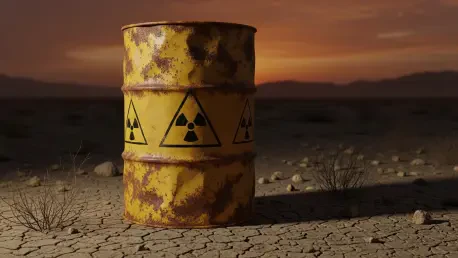

The decades-long stalemate regarding the permanent disposal of high-level radioactive waste in the United States has recently undergone a transformative shift as federal authorities move away from mandated solutions in favor of community-led partnerships. This evolution in strategy comes at a critical juncture when more than 90,000 metric tons of spent nuclear fuel are stored at various commercial reactor sites across the country, many of which are no longer operational. By pivoting toward a consent-based siting model, the Department of Energy aims to avoid the political and legal pitfalls that stalled previous efforts like the Yucca Mountain project. This approach prioritizes the perspectives of local governments, tribal nations, and community stakeholders from the very beginning of the process. The objective is to identify willing hosts for consolidated interim storage facilities that can manage this material safely while a permanent geological repository is developed. This strategic redirection represents a fundamental change in how the nation addresses its most complex environmental legacy.
Siting Strategies: The Movement Toward Localized Consent
Current federal initiatives have fostered the creation of several multi-party consortia tasked with exploring the feasibility of hosting interim storage facilities within their respective regions. These groups, which include academic institutions, local non-profits, and private sector partners, are currently conducting extensive outreach to gauge public sentiment and identify potential barriers to acceptance. Unlike the top-down mandates of the past, this framework allows communities to define the terms of their participation, including the types of benefits they receive and the safety protocols they require. The Department of Energy has allocated significant funding to these consortia to ensure they have the resources needed to facilitate transparent dialogues and technical assessments. This localized focus is designed to build trust by providing residents with a seat at the table during every stage of the planning process. By empowering communities to lead the conversation, the federal government hopes to find a path forward that is both socially acceptable and technically sound.
The psychological shift from being a target of federal policy to becoming a voluntary partner has redefined the landscape of nuclear waste management in 2026. Experts argue that obtaining a social license to operate is just as vital as meeting the rigorous engineering standards set by the Nuclear Regulatory Commission. In several candidate regions, the conversation has moved beyond mere storage toward the potential for becoming a hub for advanced nuclear research and energy innovation. This broader vision helps to contextualize waste management as one component of a larger commitment to carbon-free energy production. However, achieving this level of consensus requires addressing historical grievances and ensuring that the risks associated with transportation and long-term monitoring are clearly articulated and mitigated. The success of these voluntary sites hinges on the government’s ability to maintain a consistent presence and honor the commitments made during the early stages of engagement. Without this sustained cooperation, the fragile progress made toward a consent-based solution could easily be undermined by skepticism.
Infrastructure Development: Integrating Safety and Economic Growth
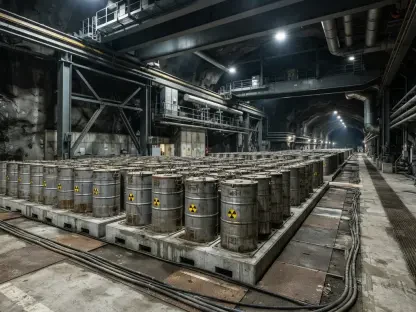
The technical design of consolidated interim storage facilities has prioritized modularity and passive safety systems to ensure minimal environmental impact over the coming decades. These sites are engineered to utilize advanced dry cask storage technology, which relies on natural convection for cooling and multiple layers of steel and concrete for radiation shielding. By centralizing the storage of spent fuel at a few highly secure locations, the nation can streamline the monitoring and security protocols that are currently distributed across dozens of individual reactor sites. This consolidation not only enhances national security but also prepares the material for more efficient transport once a permanent repository becomes available. Furthermore, the development of these facilities creates significant local economic opportunities, ranging from high-tech monitoring jobs to large-scale construction projects. Communities that choose to host these sites are increasingly looking at how the associated infrastructure, such as improved rail lines and heavy-duty roads, can benefit other local industries and promote long-term regional growth.
The path toward a permanent solution was historically hampered by a lack of legislative flexibility, but recent efforts focused on reforming the Nuclear Waste Policy Act have opened new avenues for progress. It was essential that the Nuclear Waste Fund, which was built through fees collected from utility ratepayers, finally became accessible for the costs associated with interim storage and community incentive programs. Leaders realized that providing host communities with guaranteed long-term funding for schools, healthcare, and infrastructure was the only way to ensure the durability of consent across multiple generations. Actionable steps involved creating independent oversight boards comprised of local experts who had the authority to halt operations if safety standards were not met. This level of transparency proved instrumental in shifting the narrative from one of burden to one of responsibility and economic revitalization. As the nation looked toward the next phase of the nuclear fuel cycle, the focus remained on establishing a predictable regulatory environment that balanced the urgent need for waste disposal with the uncompromising requirement for public safety and environmental stewardship.