
As record-breaking temperatures become the standard across the globe, the vulnerability of aging physical infrastructure has shifted from a theoretical risk to a daily operational crisis requiring immediate digital intervention. The traditional methods used to manage civil engineering projects—relying on historical weather patterns and manual inspections—are no longer sufficient to combat the rapid onset of modern heatwaves. Instead, the deployment of interconnected sensor networks provides the real-time visibility necessary to prevent systemic failures before they occur. These digital ecosystems leverage the Internet of Things (IoT) to gather granular data from the most remote and sensitive points of our essential services, ranging from electrical substations to municipal water mains. By creating a continuous stream of intelligence, engineers can identify thermal stressors and implement cooling strategies or load adjustments. This proactive approach marks a fundamental shift in how society maintains its backbone, ensuring that critical assets remain functional during the most extreme climatic conditions while maximizing the lifespan of multi-billion dollar investments.
Strengthening Power Grids: The Digital Shield for Energy Systems
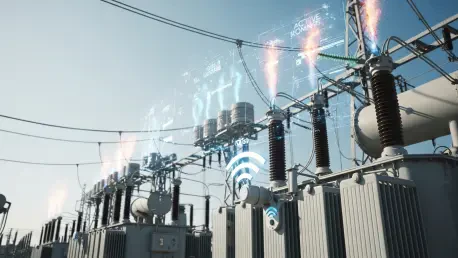
Extreme heat creates a paradoxical challenge for the energy sector by simultaneously driving up cooling demand and degrading the physical components required to deliver electricity. As temperatures climb, transformers and substations often suffer from reduced efficiency or catastrophic failure due to overheating, leading to localized blackouts that can ripple through a regional grid. The integration of IoT sensors within the distribution network allows utility operators to monitor internal temperatures and oil levels in real-time, providing an early warning system for equipment at risk of combustion. This high-definition visibility enables companies to implement dynamic load balancing, rerouting power from stressed segments of the grid to those with more thermal headroom. By utilizing edge computing, these systems can even automate immediate shutdowns of non-essential services to protect the core integrity of the network, preventing a localized surge from evolving into a widespread and dangerous power outage during peak summer months.
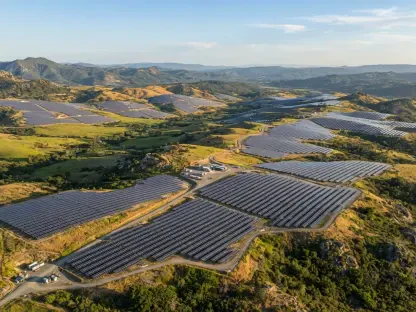
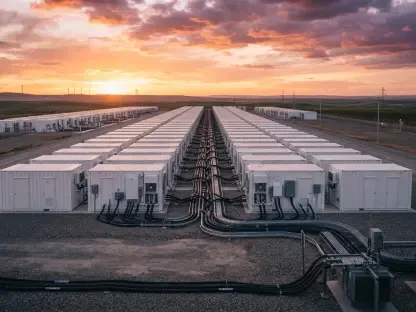
Beyond the centralized grid, the rise of distributed energy resources like residential solar panels and battery storage provides an essential secondary layer of resilience. During a heatwave, when the primary utility reaches its maximum capacity, microgrids equipped with IoT controllers can automatically detach from the main system to maintain power for critical community hubs. These smart management systems analyze local consumption patterns and battery health to prioritize electricity for medical facilities and cooling centers, ensuring that the most vulnerable populations remain safe even if the main grid fails. This decentralized architecture, powered by continuous data exchanges between thousands of individual nodes, transforms the power grid from a rigid, fragile structure into a flexible and adaptive ecosystem. As these technologies become more widespread, the reliance on massive, centralized plants diminishes, replaced by a sophisticated network that manages demand with surgical precision. This shift not only protects the hardware but also stabilizes the entire economy against the shocks of climate volatility.
Transforming Rail Safety: Precision Over Blanket Restrictions
The physical properties of steel make railway networks particularly susceptible to intense heat, as tracks can expand, warp, and buckle in a phenomenon known as sun kinking. Historically, rail operators managed this risk by imposing blanket speed restrictions across entire geographic regions once ambient temperatures hit a certain threshold, which caused massive logistical delays and economic friction. Modern IoT implementations have replaced these broad estimates with a network of rail-mounted temperature sensors that provide precise, localized data on track conditions every few minutes. These devices transmit information directly to a central dashboard, allowing dispatchers to see exactly which segments of the line are reaching critical expansion points and which remain safe for high-speed travel. This transition toward precision maintenance means that trains only slow down where it is strictly necessary, preserving the efficiency of the supply chain while maintaining a safety standard that was previously impossible to achieve through manual inspections alone.
This data-driven strategy significantly reduces the financial burden of maintenance by eliminating the need for crews to perform visual inspections on thousands of miles of track during the hottest parts of the day. Instead of sending technicians on speculative patrols, rail companies now deploy rapid-response teams only to the specific coordinates flagged by the IoT system as high-risk. Furthermore, the long-term data collected by these sensors allows engineers to identify “hot spots” where the local microclimate or ballast condition makes the track more prone to buckling over time. This insight enables the strategic replacement of materials or the installation of specialized cooling treatments in targeted areas, rather than overhauling the entire network. By moving from a reactive model to a predictive one, the rail industry has ensured that passenger and freight transport can continue to operate reliably despite the increasing frequency of extreme thermal events. This shift has turned what was once a seasonal liability into a manageable engineering challenge.
Managing Water Assets: From Leak Detection to Urban Cooling
Efficient water management becomes a matter of life and death during a heatwave, yet underground leaks often drain millions of gallons before they are even discovered by municipal authorities. The deployment of acoustic IoT sensors along municipal water mains allows utility companies to establish a baseline for normal vibration and pressure, detecting the subtle anomalies that signal a pipe failure within minutes. When temperatures spike and ground conditions shift, the stress on aging pipes increases, but AI-powered analysis of sensor data can pinpoint the exact location of a breach before it results in a visible sinkhole or a loss of service. By repairing these leaks in record time, water companies conserve the precious reserves needed to meet the surge in consumer demand, ensuring that fire hydrants and residential cooling systems remain pressurized. This level of digital oversight is essential for cities that must balance the competing needs of human consumption, industrial use, and environmental preservation during periods of severe drought.
In addition to protecting the supply, IoT technology plays a critical role in maintaining the urban “green” infrastructure that helps lower ambient city temperatures. Smart irrigation systems now utilize soil moisture sensors and real-time weather feeds to automate the watering of parks and roadside vegetation with extreme precision. Rather than relying on rigid timers that waste water during humid periods or under-water during intense dry spells, these systems deliver the exact amount of hydration needed to keep trees and plants alive. This targeted approach is vital because healthy vegetation acts as a natural air conditioner, reducing the “urban heat island” effect that can make city centers several degrees hotter than the surrounding countryside. By optimizing municipal labor and reducing the carbon footprint of maintenance vehicles, these digital tools ensure that cities remain habitable. The integration of these sensors has turned urban landscaping into a functional part of the climate mitigation strategy, where every drop of water is accounted for and used to its maximum potential.
Mitigating Wildfire Risks: The Role of Early Chemical Detection
The most urgent application of IoT in a warming world is the ultra-early detection of wildfires, which often ignite in remote areas where traditional observation is difficult. While satellite imagery provides a broad overview, it often fails to detect a fire until it has reached a significant size and intensity, at which point containment is nearly impossible. To bridge this gap, authorities have begun deploying mesh networks of solar-powered sensors that are designed to detect the specific chemical signatures of combustion gases during the initial smoldering phase. These devices are mounted on trees or utility poles and communicate with each other using low-power, long-range protocols to alert emergency services within seconds of a fire starting. By identifying a blaze while it is still just a small ground fire, first responders can intervene before the flames grow large enough to threaten human settlements or critical energy infrastructure, effectively neutralizing the most catastrophic consequences of extreme heat.
This technological shield serves as a final layer of defense for both natural habitats and the built environment, providing a way to monitor millions of acres of forest with minimal human presence. The data generated by these mesh networks is integrated into broader geospatial intelligence platforms, allowing fire departments to predict the likely path of a fire based on real-time wind speed and humidity levels recorded on the ground. This level of situational awareness allows for the strategic evacuation of communities and the hardening of nearby electrical grids before a fire reaches them. Furthermore, the presence of these sensors acts as a deterrent for arson and provides valuable forensic data for investigating the cause of an ignition. As the landscape becomes drier and more prone to combustion, the ability to “see” a fire through its chemical footprint has become an indispensable tool for survival. This proactive monitoring ensures that the physical assets of the modern world are not lost to the growing threat of climate-driven wildfires.
Designing the Future: Strategic Integration and Long-Term Resilience
The implementation of IoT networks has fundamentally changed the relationship between human society and the increasingly hostile environment, providing a blueprint for survival in a warming world. Decision-makers successfully transitioned from a culture of crisis management to one of data-driven foresight by prioritizing the scaling of existing digital tools over the wait for unproven future inventions. This shift allowed for the creation of “digital twins” of entire cities, where engineers simulated the effects of extreme heat on every component of the infrastructure before a heatwave even arrived. These virtual models identified the weakest points in the chain, enabling targeted investments that yielded the highest return in safety and reliability. By sharing data across different sectors—such as linking power grid stability with water treatment capacity—public and private entities built a more cohesive and resilient response strategy. This holistic approach ensured that no single system was left vulnerable to the cascading failures that once characterized major weather events.
The historical reliance on reactive fixes was replaced by a sophisticated regime of continuous monitoring and precision maintenance that extended the life of critical assets. Leaders recognized that the true value of IoT lay not just in the hardware but in the actionable insights derived from the massive volumes of data collected at the edge of the network. This intelligence guided the development of new building codes and engineering standards that accounted for the reality of thermal stress, moving away from outdated benchmarks toward a dynamic understanding of structural integrity. As these systems matured, they provided the stability needed for economic growth to continue despite the physical challenges posed by a changing climate. The successful integration of these technologies demonstrated that while the climate cannot be controlled, the vulnerability of the human environment can be significantly reduced. Ultimately, the move toward a fully connected, sensor-rich infrastructure provided the necessary foundation for a more sustainable and secure future for all urban and rural communities.