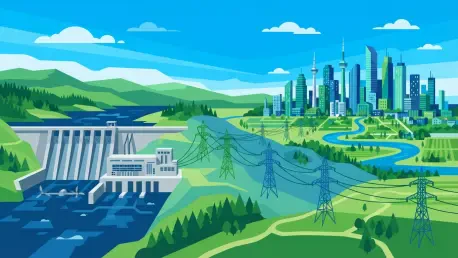

Hydropower plants often provide more than half of a nation’s total electricity, shifting the regional narrative from energy scarcity to industrial opportunity. Beyond the simple generation of current, these massive structures serve as the ultimate catalysts for a comprehensive regional evolution that redefines the physical geography and social fabric of entire nations. By interrupting the natural flow of massive river systems like the Nile, the Zambezi, and the Paraná, engineering firms have created vast artificial reservoirs that are visible from space, turning ancient river valleys into massive aquatic ecosystems. This process fundamentally shifts the relationship between human populations and their natural environment, as what were once wild torrents become managed assets for economic growth. The construction of these dams acts as a macro-economic engine, providing the stable power necessary to spark industrialization and modernize standards across the developing world.
African Milestones: Power and Urbanization
Ethiopia’s Grand Renaissance Dam represents a tectonic shift in the East African power dynamic. With a reservoir stretching 172 kilometers and a capacity of 74 billion cubic meters, it is not just a source of energy but a symbol of national sovereignty. Completed by late 2025, the project’s 5,150 MW capacity is already on track to double the country’s electricity generation by the end of 2026. This surge in power facilitates the growth of manufacturing sectors that were previously sidelined by intermittent outages. Furthermore, the project birthed a fully functioning town in a remote region, providing housing, healthcare, and education for thousands of workers. This evolution from a temporary construction site to a permanent urban hub demonstrates how modern infrastructure projects serve as blueprints for localized urbanization, bringing essential social services to areas that had been historically isolated from the central economy and the grid.
In Uganda, the transformation is measured by reliability and access rather than sheer physical volume. Before the expansion of projects like the Bujagali plant on the Victoria Nile, the nation faced significant energy deficits that crippled local businesses. By employing thousands of local workers and providing half of the nation’s electricity, the facility shifted the narrative from scarcity to opportunity. This progress continues into 2027 as new grid connections are established in rural districts. The project proved that mid-sized interventions can have an impact just as profound as massive continental landmarks. These dams do more than light up homes; they create a stable environment for long-term investment. By reducing the cost of doing business, they allow local entrepreneurs to compete on a global scale. The result is a fundamental change in the daily lives of citizens, as the presence of reliable electricity becomes the bedrock for modern systems.
Historical Legacies: The Intersection of Culture and Progress
The Kariba Dam on the Zambezi River serves as a historical testament to the permanence of these engineering interventions. Completed decades ago, it transformed a narrow, wild gorge into Lake Kariba, one of the world’s largest man-made reservoirs covering over 500,000 hectares. This vast body of water altered the local climate and created a new fishing industry, fundamentally changing the livelihoods of those living on the border of Zambia and Zimbabwe. It illustrates how once a landscape is engineered, the change is permanent, replacing natural history with a managed environment designed to serve human needs for generations. The dam remains a critical piece of infrastructure, showing that the longevity of these projects is measured in centuries rather than decades. As we move from 2026 into 2028, maintenance of such legacy sites ensures they continue to provide the baseload power required for the region’s growing industrial base, cementing their status as landmarks.
The Aswan High Dam in Egypt highlights the complex tension between the drive for technological progress and the preservation of cultural heritage. While the creation of Lake Nasser provided essential water regulation and drought protection, it also necessitated the relocation of 90,000 people and threatened the survival of ancient monuments. The subsequent rescue of the Abu Simbel Temples, coordinated by UNESCO, saw 13th-century BC structures dismantled and moved 60 meters higher to escape the rising waters. This extraordinary effort demonstrated that while dams change the future, they also impose a heavy responsibility to protect the historical record. Modern engineering must balance the immediate need for renewable energy with the ethical obligation to safeguard the artifacts of past civilizations. This legacy of preservation has set a precedent for current projects, ensuring that impact assessments are as rigorous as the structural designs themselves.
Future Directions: Sustainable Management and Regional Stability
In South America, the Yacyretá Hydroelectric Project on the Paraná River demonstrates the sheer physical scale of modern water management. Stretching 64 kilometers in length with a reservoir of 1,600 square kilometers, this project reshaped the “Gentle Giant” river to provide massive amounts of renewable energy to Argentina and Paraguay. Since its inception, it has provided a 3,200 MW capacity that serves as the backbone for regional economic cooperation. The project underscores the global trend of using civil engineering as a medium to harness nature, turning volatile river systems into regulated resources. This transformation has allowed both nations to stabilize their grids and reduce their reliance on fossil fuels. As energy demands rise from 2026 to 2030, the dam’s role in providing clean, consistent power becomes even more vital. It stands as a physical manifestation of how two nations can collaborate to turn a shared natural resource into a driver for prosperity.
The global expansion of hydroelectric power confirmed that the redefinition of the relationship between humankind and water was inevitable. Engineering acted as the primary medium through which nature was harnessed to serve the accelerating needs of human growth. While these projects required the physical relocation of communities and the dramatic alteration of ancient topographies, they offered a clear path toward economic destiny. The transformation was not without its costs, yet the resulting stability allowed nations to transition away from volatile energy sources. Looking forward, the next step involves integrating these massive reservoirs into multi-use water management systems that prioritize both energy and local agriculture. To ensure long-term sustainability, regional leaders should invest in advanced siltation management and digital grid optimization. By treating these structures as living ecosystems, humanity can continue to refine the balance for the next century.