
The Dramatic Decarbonization of the CAISO Market
California’s energy landscape is currently witnessing a breathtaking transformation as the state systematically dismantles its historical dependence on fossil fuels. In just a few months, natural gas generation within the CAISO market has cratered by 60 percent, signaling a radical shift toward a carbon-free grid. This analysis delves into the systemic changes that allow the world’s fifth-largest economy to maintain stability while transitioning toward a renewable-first architecture.
From Gas-First to Renewable-Heavy: A Historical Pivot
Historically, natural gas served as the backbone of the Western grid, providing the base load necessary to prevent outages. However, the paradigm shifted as gas capacity flattened while demand climbed. By prioritizing clean alternatives over stagnant thermal generation, the state decoupled economic growth from carbon emissions. This shift represents a decisive break from fossil-fuel reliance, favoring a more diversified and resilient power structure.
The Technological Drivers Behind the Clean Energy Surge
Scaling Utility Solar to Primary Power Status
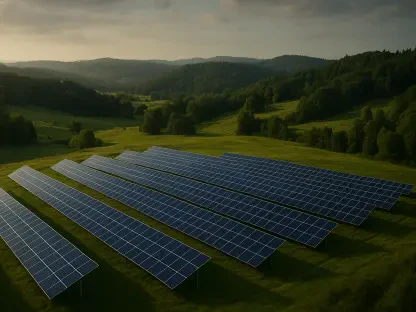
Solar power emerged as the clear victor in the race for primary power, with capacity surging to 25 GW this year. Solar now provides the bulk of California’s energy on most days, pushing natural gas into a secondary role. This expansion inverted the traditional generation model, making midday abundance the new operational norm across the regional market.
Bridging the Reliability Gap with Battery Storage
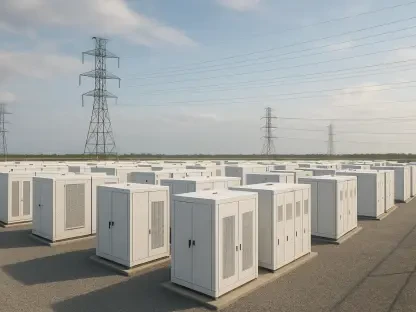
To manage the evening transition, California deployed a massive 16 GW battery fleet, representing nearly 80 percent growth in two years. These systems capture midday solar and release it during the evening ramp, neutralizing the need for gas-fired “peaker” plants. Storage is now the linchpin of modern grid reliability, ensuring that the lights stay on even after the sun sets.
Leveraging Inter-State Wind Projects for Grid Diversity
Regional cooperation brought projects like New Mexico’s SunZia wind farm into the fold, adding 3.65 GW of clean capacity. This out-of-state resource provides a diverse energy profile that complements domestic solar. By integrating regional wind, the CAISO market reached generation peaks that were previously unattainable with internal resources alone, further reducing the need for thermal backup.
Redefining Regional Interdependence and Resource Imports
As internal gas generation fell, California doubled its imports of clean electricity from neighboring states, leveraging Northwest hydroelectric power. This regional interdependence created a more resilient network where carbon-free energy flows across state lines. The state became a hub for a broader, decarbonized Western energy market.
Strategic Implications for the Energy Industry and Beyond
For industry stakeholders, the lesson is that the reliability gap can be closed with storage and regional transmission. Future investments should focus on enhancing connectivity and storage capacity rather than building new thermal plants. This pivot ensures stability by insulating consumers from the volatility of global gas markets while fostering a more predictable environment for infrastructure development.
Sustaining Momentum in the Transition to Clean Power
The journey toward 2026 established a new standard for how large economies could pivot away from fossil fuels. Stakeholders prioritized innovation over tradition, which allowed the grid to absorb demand while natural gas usage plummeted. This transition provided a clear roadmap, demonstrating that a cleaner future was achieved through bold regional collaboration and strategic technological deployment.