
A collaborative study between researchers and industrial partners has successfully validated the use of chemically recycled feedstock for non-implantable medical devices. As healthcare facilities worldwide grapple with the environmental consequences of single-use plastics and manufacturing waste, the integration of circular polymers into clinical practice represents a significant paradigm shift. Hospitals are increasingly adopting Point-of-Care manufacturing to produce patient-specific tools, but the reliance on virgin petroleum-based resins has historically conflicted with sustainability goals. By utilizing advanced chemical recycling techniques, specifically for Acrylonitrile Butadiene Styrene, industry leaders and researchers are demonstrating that medical-grade requirements do not have to be sacrificed for ecological responsibility. This transition is essential as the demand for rapid prototyping and personalized surgical aids continues to grow within the modern healthcare infrastructure. This evolution ensures that the medical sector contributes to a more sustainable future by closing the material loop effectively.
Material Transformation: From Waste to High-Performance Feedstock
Chemical Recycling: A Superior Approach to Purity
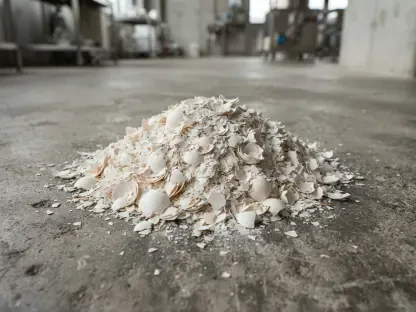
Traditional mechanical recycling often struggles to maintain the stringent purity levels required for medical applications because the process can degrade polymer chains and leave behind contaminants from previous use cycles. In contrast, the proprietary chemical recycling technology explored in this recent study involves breaking down Acrylonitrile Butadiene Styrene into its fundamental monomers before reforming the polymer. This method ensures that the resulting material is molecularly indistinguishable from its virgin counterpart, effectively stripping away the “memory” of its previous life as industrial or consumer waste. By removing impurities at the molecular level, researchers have managed to produce a high-grade resin that avoids the discoloration and structural inconsistencies typically associated with secondary plastics. This breakthrough allows hospitals to trust the material integrity of their printed devices, ensuring that every batch of filament used in Point-of-Care centers meets the exacting standards necessary for clinical safety and logistical reliability.
Technical Specifications: Bridging the Gap to Virgin Resins
The transition from raw recycled resin to functional 3D-printing filament requires meticulous calibration to ensure compatibility with existing fused deposition modeling hardware. During the validation phase, the chemically recycled ABS was processed into 1.75-millimeter filaments within an ISO 13485-certified environment, matching the diameter and roundness tolerances of premium medical-grade filaments. Testing revealed that the recycled material exhibited thermal properties and flow characteristics nearly identical to virgin ABS, which is critical for maintaining consistent layer adhesion and reducing the risk of print failure. Because the material behaves predictably under heat, clinicians do not need to overhaul their existing printer settings or software profiles to accommodate the sustainable alternative. This seamless integration is a vital factor in the widespread adoption of circular materials, as it minimizes the learning curve and technical hurdles for hospital staff who are already managing complex patient-specific workflows and tight surgical schedules.
Clinical Validation: Precision and Biological Safety
Rigorous Testing: Meeting International Biological Standards
Safety remains the paramount concern when introducing any new material into a healthcare environment, even for devices that do not come into direct contact with the internal systems of a patient. To address this, the research team conducted exhaustive biological evaluations in accordance with ISO 10993-5 standards, which are the industry benchmark for assessing the cytotoxicity of medical devices. Utilizing L929 fibroblast cell cultures, the material was subjected to direct contact tests to observe any potential adverse reactions or cellular degradation. The results confirmed that the chemically recycled ABS was entirely non-cytotoxic, showing no significant difference in cell viability compared to traditional medical-grade plastics. This finding is monumental because it proves that the chemical recycling process does not introduce or retain hazardous substances that could leach out during handling. Consequently, these results provide the necessary clinical confidence to use recycled polymers for items that frequently interact with surgical teams and patients.
Strategic Implementation: Path Toward a Circular Medical Economy
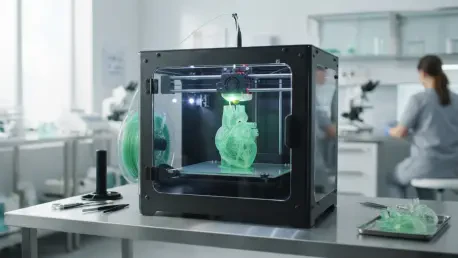
The functional validation of anatomical models and surgical guides produced from recycled ABS demonstrated that high-fidelity precision was fully maintained during the clinical manufacturing process. These results established a clear precedent for the future of sustainable healthcare, proving that circular polymers could meet the rigorous demands of patient-specific modeling. Stakeholders in the medical device industry were encouraged to prioritize the adoption of circular supply chains by partnering with chemical recyclers who provided certified, high-purity resins. Hospitals began auditing their plastic waste streams to identify potential sources for closed-loop recycling programs, ensuring that the materials used in Point-of-Care facilities were part of a continuous, responsible lifecycle. By integrating these circular polymers into standard operating procedures, the healthcare sector successfully moved toward a waste-neutral model of innovation. This transition ensured that the highest levels of patient safety were preserved while significantly reducing the environmental footprint of 3D-printing technologies.