
The rapid urbanization of India’s southern states has reached a critical juncture where traditional municipal methods can no longer keep pace with the sheer volume of refuse generated by expanding metropolises. During the recent National Review Meeting on “Swachh Bharat Mission–Urban 2.0” in New Delhi, the Telangana state government presented an ambitious blueprint that seeks to redefine the very nature of urban sanitation. Led by Deputy Chief Minister Bhatti Vikramarka Mallu, the delegation articulated a shift from basic collection to a highly scientific, technology-driven ecosystem intended to serve as a cornerstone for the “Telangana Vision–2047.” This strategic roadmap does not merely aim for cleaner streets; it integrates environmental resilience with specific economic benchmarks to ensure the state remains a competitive global hub. By focusing on systemic reforms, Telangana is attempting to demonstrate that ecological health is an inseparable component of a thriving and modern economy.
Advancing Municipal Logistics through Electrification and Data
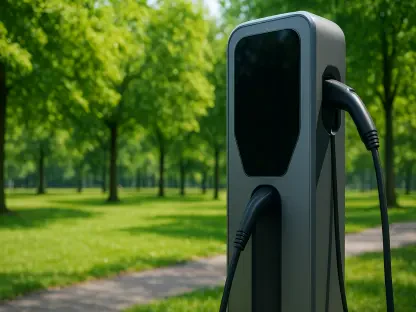
A central pillar of the state’s updated urban strategy involves the complete modernization of municipal logistics to eliminate the environmental secondary effects of waste collection itself. To achieve this, the government is deploying a massive fleet of 9,596 electric Swachh Auto Tippers across major urban centers, effectively phasing out older, carbon-intensive internal combustion engines. This transition to electric mobility ensures that the process of maintaining cleanliness does not simultaneously degrade air quality through exhaust emissions. Beyond the hardware, the shift represents a logistical optimization aimed at reducing the energy required for daily routes. By investing in a specialized electric fleet, municipal authorities are aligning local sanitation efforts with broader national goals for green energy adoption. This move positions the state as a pioneer in sustainable utility management, where the infrastructure used to clean the city is as environmentally friendly as the outcomes it seeks to provide for the public.
To complement the physical upgrades in transportation, the state has implemented a sophisticated digital oversight mechanism to ensure maximum accountability at the household level. Every collection unit is now integrated into a data-driven network that utilizes QR-code tracking to monitor service delivery in real time across various neighborhoods. This digital layer is coupled with a strict mandate for four-way source segregation, requiring residents to separate waste into distinct categories before it ever leaves the doorstep. Such precision allows municipal workers to handle materials more effectively, reducing the volume of mixed waste that ultimately ends up in landfills. By treating waste collection as a data-centric operation rather than a manual chore, the state can identify gaps in service, optimize route efficiency, and foster a culture of responsibility among citizens. This level of transparency is vital for building trust between the administration and the public while ensuring that technical standards are maintained.
Scientific Remediation and the Pursuit of a Circular Economy
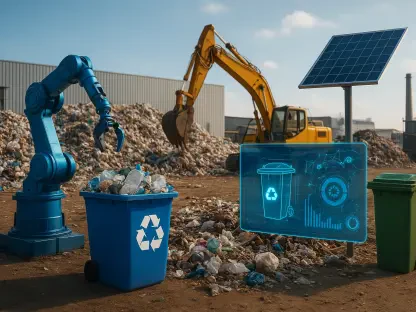
The challenge of legacy waste—the massive accumulation of refuse at historical dump sites—is being addressed through rigorous academic and technical partnerships that go beyond temporary fixes. For instance, the remediation of the sprawling Jawaharnagar site now involves high-level advisory support from the Indian Institute of Technology Bombay, ensuring that every step of the process is backed by scientific data. At the Autonagar project, the state is successfully executing the biomining of approximately 22 lakh metric tonnes of accumulated waste. This process is not only neutralizing environmental hazards but is also facilitating the large-scale reclamation of land that was previously considered unusable. Once cleared and restored, these areas are being repurposed for public infrastructure, such as expansive parks and sports facilities. This transformation of hazardous dump yards into vibrant community spaces illustrates a commitment to restoring urban ecosystems and providing tangible health benefits to residents.
Transitioning toward a “Waste to Wealth” philosophy, the state is actively developing localized circular economy projects that treat refuse as a valuable resource rather than a burden. Inspired by the internationally recognized Kitakyushu model in Japan, upcoming initiatives at Bandaraviryala and Siddapur are designed to function as Eco-Towns where materials are continuously recycled. This closed-loop approach focuses on extracting maximum value from secondary materials, such as plastics, metals, and organic matter, which can be re-introduced into the industrial supply chain. By fostering a market for recycled goods, the government is creating new economic opportunities within the green sector while drastically reducing the long-term necessity for traditional landfill space. This strategy recognizes that sustainable urban growth depends on the ability to minimize resource extraction and maximize the reuse of existing materials. It represents a fundamental shift in how cities view their consumption patterns and waste outputs.
Decentralized Frameworks for Holistic Regional Development
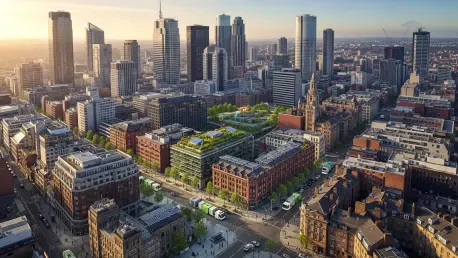
The government has introduced a balanced growth framework categorized into Core Urban Regions, Peri-Urban Regions, and Rural Agricultural Regions to ensure that sanitation progress is not localized to just one city. This decentralized strategy, known by the acronyms CURE, PURE, and RARE, allows for waste processing facilities to be established closer to the point of generation, thereby mitigating the risks of long-distance transport. By handling organic and wet waste within the regions where it is produced, the state reduces the carbon footprint associated with heavy vehicle movement and prevents the concentration of environmental hazards in a few centralized locations. This regionalized approach ensures that secondary towns and developing outskirts receive the same level of technological intervention as the capital. It promotes a more equitable distribution of municipal resources, ensuring that the benefits of the “Urban 2.0” mission are felt by citizens across the entire state regardless of their proximity to major metropolitan hubs.
To ensure that these technical and structural changes endure over the long term, the state is prioritizing a massive social and educational shift aimed at the next generation of citizens. Plans are already in motion to integrate practical waste management and segregation education directly into the public school curriculum, starting as early as the first grade. This early intervention is designed to normalize the habit of source segregation and environmental stewardship, mirroring the successful social models seen in highly efficient global societies. Furthermore, short-term, high-impact initiatives like the 99-Day Praja Palana–Pragathi Action Plan have already demonstrated the power of focused governance by eliminating over 1,000 metric tonnes of construction debris and clearing numerous garbage vulnerable points. By combining these immediate cleanup drives with a long-term educational strategy, the state is building a sustainable foundation where technology and public behavior work in harmony. This dual-track approach is essential for maintaining the integrity of new infrastructure and ensuring lasting cleanliness.
Strategic Investment and the Path Toward Economic Integration
The success of these ambitious reforms hinges on a robust financial architecture that combines state-level execution with federal support. During the New Delhi summit, the delegation underscored the necessity for Viability Gap Funding to support capital-intensive projects such as waste-to-energy plants and large-scale recycling centers. As the state moves toward its target of becoming a $3 trillion economy by 2047, the integration of sanitation policies with macroeconomic goals has become a primary objective. The government recognizes that high standards of public health and environmental cleanliness are prerequisites for attracting global investment and maintaining a productive workforce. By positioning urban waste management as an economic priority, the administration is seeking to unlock new streams of funding and innovation. This focus on fiscal sustainability ensures that the transition to a cleaner urban environment is not just an environmental triumph but also a driver of long-term financial prosperity and infrastructure resilience across the region.
The National Review Meeting successfully established a collaborative framework for the next phase of the Swachh Bharat Mission, with Telangana emerging as a significant contributor to the national dialogue. State leaders advocated for a unified approach where regional innovations in biomining and electric logistics could be scaled and adapted as national standards for other territories to follow. The presentation highlighted that the era of simple waste collection ended, replaced by a sophisticated era of resource management and ecological restoration that demands constant technical evolution. Moving forward, the state prioritized the rapid expansion of its QR-monitored collection systems and the acceleration of legacy waste clearance to meet its 2047 milestones. This proactive stance provided a clear set of actionable steps for municipal bodies to follow, emphasizing that the health of the urban environment was directly tied to the state’s economic future. The meeting concluded with a commitment to maintaining this momentum through continuous federal partnership and the rigorous application of scientific principles in every municipal jurisdiction.