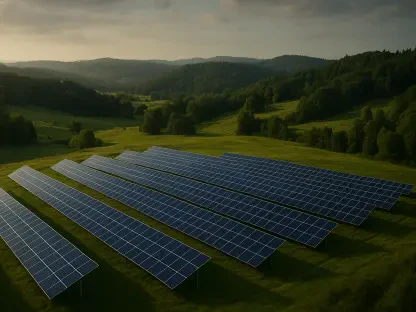
Traditional recycling methods often fail to capture the full value of solar modules, frequently involving semi-processing before exporting raw materials for final recovery. As the global transition to renewable power intensifies in 2026, the United States faces the critical challenge of managing an increasing volume of decommissioned photovoltaic equipment. The reliance on overseas smelting for final material recovery not only creates environmental risks but also results in the loss of valuable domestic resources. To address this gap, a massive material recovery facility has been established on a ten-acre campus near Dallas, Texas, providing the nation’s first end-to-end solution for solar lifecycle management. This facility is designed to transform retired panels into a reliable source of high-purity minerals, ensuring that the solar industry remains sustainable from deployment to decommissioning. By centralizing these industrial processes, the initiative reduces logistical complexity and strengthens the resilience of the American clean energy sector.
Advancing Recovery Technology and Mineral Security
Closed-Loop Systems: Strengthening the Domestic Supply Chain
The centerpiece of the Texas facility is a proprietary extraction process that achieves an impressive 96 percent recovery rate for high-value materials. This industrial-scale system focuses on isolating critical resources such as copper, silver, and silicon with high precision, ensuring they meet the standards required for immediate industrial reuse. Unlike traditional mechanical shredding, which often produces contaminated mixed waste, this method preserves the purity of the individual elements for high-grade manufacturing.
By keeping these recovery operations within the United States, the facility successfully reshores industrial capabilities that were previously dependent on foreign markets. This closed-loop approach ensures that the valuable components extracted from decommissioned panels remain part of the domestic supply chain, fostering greater economic stability. As the demand for high-purity silicon continues to surge across the technology and energy sectors, having a reliable domestic supply becomes a significant competitive advantage for regional manufacturers.
Strategic Resource Reclamation: Protecting Against Market Volatility
The recovery of silver is particularly vital in 2026, as the global supply of this essential metal has faced consistent deficits for several years. Silver is not only a primary component in advanced solar cells but is also increasingly required for artificial intelligence hardware and national defense applications. Export restrictions from major international producers have further tightened the market, making the reclamation of silver from retired solar modules a matter of strategic importance for domestic energy security.
Estimates suggest that the total value of minerals tied up in aging solar infrastructure could reach $80 billion by 2050, representing a massive untapped reserve for the American economy. By treating retired panels as urban mines rather than waste products, the facility effectively unlocks this value and provides a hedge against the price volatility of virgin raw materials. This shift in perspective allows utility providers and project developers to view decommissioning as an opportunity for resource recovery rather than a purely environmental liability or financial burden.
Building a Sustainable Future for Renewable Energy
Scalable Infrastructure: Implementing a Regional Network Model
The Dallas facility serves as the foundation for a $100 million investment plan to establish a comprehensive network of solar processing centers across North America. Over the next four years, four additional regional facilities are scheduled to be deployed to minimize the high costs and logistical difficulties associated with transporting bulky solar equipment over long distances. This distributed model allows for localized processing, which significantly improves the economic viability of recycling programs for large-scale utility operations and commercial solar installations.
This regional approach aligns with the growing trend toward urban mining, where the raw materials for new technologies are sourced from existing waste streams near consumption centers. By situating these processing hubs in key geographic regions, the initiative reduces the carbon footprint of the recycling process while creating specialized industrial jobs. The scalability of this infrastructure ensures that as the volume of decommissioned panels grows, the system can expand to meet the needs of the nation’s fastest-growing electricity source without bottlenecks.
Circular Economy Solutions: Moving Toward Grid Independence
The implementation of this recovery blueprint proved to be a turning point for the renewable energy industry as it moved toward true circularity. Stakeholders realized that a domestic, industrial-grade recycling network was essential for maintaining the long-term viability of the solar sector. Legislative bodies and industry leaders collaborated to establish new standards for panel decommissioning, ensuring that precious metals were diverted from landfills and returned to production lines. This proactive strategy successfully mitigated the environmental impact of solar waste while bolstering national resource security.
Ultimately, the move toward industrial-scale recycling transformed the perception of retired solar assets from waste into valuable strategic reserves. Organizations that adopted these recovery services found that they could reduce their reliance on volatile global markets for raw materials. This shift encouraged a new era of self-reliance in energy manufacturing, where the resources of the past powered the innovations of the future. The project demonstrated that sustainable energy production and domestic industrial resilience were not only compatible but were fundamentally linked in the pursuit of a stable grid.