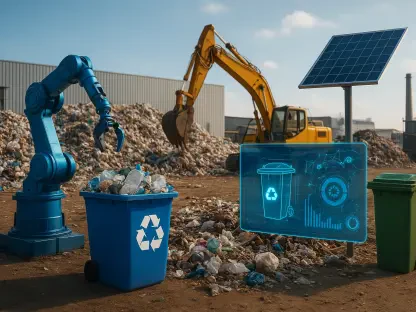

A single discarded lithium-ion battery, crushed by the mechanical arm of a garbage truck, can ignite an inferno that shuts down entire recycling centers and endangers local sanitation workers. This volatile reality has long haunted waste management professionals, but Wisconsin is now taking decisive action to dismantle this ticking time bomb. With the implementation of 2025 Wisconsin Acts 170 and 171, the state has moved beyond mere awareness to establish a comprehensive framework that addresses the root of the problem. This initiative transforms how batteries are handled, shifting the burden from under-resourced municipalities to the companies that profit from their sale.
The legislative push was born from a necessity to protect public infrastructure and human life. Every year, thousands of “dead” batteries enter the waste stream improperly, turning sorting facilities into high-risk environments. A chemical fire sparked by a lithium-ion cell is notoriously difficult to extinguish, often requiring massive amounts of water and specialized training to manage. By signing these bipartisan acts, the state has committed to a proactive, producer-funded system that aims to keep these hazardous materials out of the standard waste stream entirely.
The Shift Toward Extended Producer Responsibility
The new legislation marks a significant evolution in Wisconsin’s environmental policy by adopting the Extended Producer Responsibility (EPR) model. For decades, the financial and logistical burden of managing hazardous household waste fell largely on local taxpayers and municipal budgets. This traditional approach proved insufficient as the sheer volume of portable electronics exploded. By mandating that battery manufacturers take responsibility for the entire lifecycle of their products, the state is aligning with a modern trend in environmental law that prioritizes corporate accountability over public cleanup costs.
This transition ensures that the expenses associated with collection, transportation, and specialized processing are integrated into the product’s lifecycle from the start. Rather than being an afterthought for waste management departments, recycling becomes a core component of the manufacturer’s business model. This alignment of interests encourages companies to design products that are easier to recycle and less hazardous at the end of their utility. It represents a move toward a more equitable system where those who create the demand for these power sources also provide the means for their safe disposal.
Defining the Scope and Timeline of the New Mandates
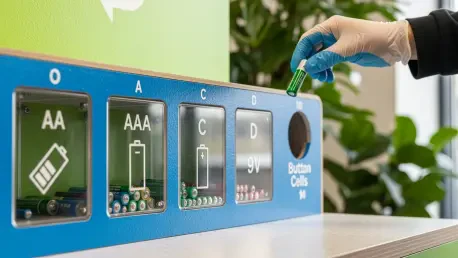
The program targets a wide array of portable and medium-format batteries commonly found in modern households, focusing on those that are easily removable with standard tools. The mandate includes rechargeable varieties like lithium-ion, nickel-cadmium, and nickel-metal hydride, which power everything from laptops to electric bicycles. It also encompasses common single-use primary batteries, such as alkaline cells and button batteries found in watches. To prevent regulatory confusion, the program excludes lead-acid vehicle batteries and electronic devices already managed under the existing E-Cycle Wisconsin program.
The implementation roadmap is designed to give stakeholders adequate time to build a robust infrastructure. Battery stewardship organizations must submit comprehensive recycling plans to the Department of Natural Resources (DNR) by January 1, 2027. This planning phase is crucial for identifying collection points and logistics routes that ensure accessibility for all residents. Following the submission and approval of these plans, a formal statewide ban on disposing of these batteries in regular trash or recycling bins will take effect on January 1, 2028, signaling a permanent change in state waste disposal habits.
Mitigating Risk and Building a Circular Economy
The primary driver behind this bipartisan effort is the alarming rise in fires at Material Recovery Facilities (MRFs) caused by volatile battery chemistries. Even when they no longer power a device, lithium-ion batteries often retain a residual charge known as a “zombie” charge. When compressed by heavy machinery, they can undergo thermal runaway, creating fires that burn at intense temperatures. Beyond safety, the program aims to bolster a circular economy by reclaiming valuable metals and minerals like cobalt, nickel, and lithium that can be reused in new manufacturing.
By streamlining the collection process, Wisconsin is creating a more sustainable infrastructure that protects the environment and the workers who keep the state’s waste systems running. Reclaiming these materials reduces the need for destructive mining practices and stabilizes the supply chain for domestic technology production. The program effectively turns a hazardous waste problem into a resource recovery opportunity. This dual focus on safety and sustainability ensures that the state remains competitive in a green economy while drastically reducing the operational risks faced by its waste management sector.
How Residents and Businesses Can Prepare for the Transition
While the full recycling network is being established, there are clear steps that Wisconsin residents and businesses can take to ensure compliance. Identifying batteries within the home is the first step; users should check devices for removable power cells and distinguish between low-risk alkaline and high-risk rechargeable types. Until the free statewide collection sites are fully operational, storing used lithium-ion batteries in a cool, dry place is essential. Taping the terminals with clear packing tape is a recommended safety measure to prevent accidental short circuits during storage.
Businesses and individuals should also begin locating existing voluntary recycling programs offered by major retailers or local hazardous waste events before the 2028 disposal ban begins. Monitoring the Department of Natural Resources website for updates will provide the official list of producer-funded collection sites as the 2027 planning deadline approaches. This proactive engagement helped transition the state toward a safer disposal culture. Education initiatives were launched to ensure that every citizen understood the importance of separating batteries from the general waste stream, ultimately fostering a more resilient and environmentally conscious Wisconsin.