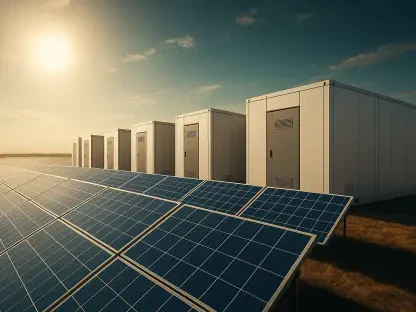

In rural Denmark, researchers are implementing battery energy storage systems to provide high-speed charging in areas where the existing grid infrastructure is traditionally weak. This pilot program serves as a foundational blueprint for a broader European strategy designed to equalize access to electric mobility, regardless of geographic isolation. As the surge in electric vehicle adoption continues into the latter half of this decade, the strain on localized distribution networks has intensified, particularly in regions where upgrading physical cables is economically unfeasible. By integrating localized battery buffers, the project allows for ultra-fast charging capabilities without requiring an immediate and costly overhaul of the regional power lines. These storage units act as a reservoir, slowly accumulating energy from the grid or local renewable sources and then delivering it in high-intensity bursts to arriving vehicles. This approach not only stabilizes the voltage but also ensures that drivers in remote villages experience the same level of convenience as those in major metropolitan centers.
The Analytical Core: AI Optimization and Grid Balancing
Central to this infrastructure is a sophisticated artificial intelligence layer that orchestrates the flow of electricity with surgical precision. This AI does not merely manage the current state of charge; it actively predicts demand patterns by analyzing historical traffic data, local weather forecasts, and regional events. By understanding when a cluster of vehicles is likely to arrive at a specific charging station, the system can pre-condition the battery storage units to handle the upcoming load. This proactive management prevents the peak shaving issues that often lead to localized blackouts or severe voltage drops in rural areas. Furthermore, the software communicates with the broader power grid to identify periods of excess production, particularly from wind farms and solar arrays. By timing the replenishment of the storage units to coincide with these surplus periods, the project significantly lowers the carbon footprint of every mile driven and reduces operational costs for the network providers.
The implementation of machine learning models also allows for a dynamic pricing structure that benefits both the consumer and the utility provider. As the AI monitors real-time fluctuations in the wholesale energy market, it can adjust charging rates or offer incentives for users to plug in during off-peak hours. This capability is vital for managing the complex interplay between decentralized energy resources and the centralized high-voltage transmission network. In Denmark and beyond, these AI-driven systems are proving that software can substitute for expensive physical infrastructure. Instead of digging trenches and laying miles of copper, operators are deploying intelligent nodes that learn and adapt to the needs of the community. This shift from dumb hardware to smart integrated systems represents a paradigm change in how energy is distributed. The data collected from these rural Danish sites is now being used to train more robust models that will eventually support heavy-duty electric trucking routes across the entire European corridor.
Strategic Scaling: Navigating Interoperability and Future Grid Stability
Expanding this decentralized model across Europe requires navigating a complex landscape of varying regulatory frameworks and technical standards. Each member state presents unique challenges, ranging from different voltage levels to disparate data privacy laws that affect how vehicle-to-grid information is handled. To address this, the project utilized a standardized communication protocol that allows the AI nodes to interface seamlessly with different types of charging hardware and utility management systems. This interoperability is crucial for creating a truly continental charging network where a vehicle can travel from Scandinavia to the Mediterranean without encountering incompatible systems. Moreover, the project demonstrated that localized storage can serve secondary functions, such as providing frequency regulation services to the national grid. By aggregating hundreds of these distributed battery units, the AI can contribute to the overall stability of the European power system, helping to balance the intermittent nature of renewable energy at a much larger scale.
The initial phases of this initiative successfully demonstrated that the marriage of localized storage and predictive intelligence could bypass traditional infrastructure limitations. Stakeholders moved beyond the theoretical stage and proved that rural charging speeds could match urban performance without destabilizing regional networks. Moving forward, the focus shifted toward the mass manufacturing of standardized battery-and-AI modules to lower capital expenditures. It became clear that the next logical step involved the integration of these systems into public-private partnerships to accelerate the rollout in underdeveloped regions. Legislators evaluated new policies that rewarded grid operators for implementing flexible storage solutions rather than traditional line extensions. These efforts established a framework where energy equity was prioritized, ensuring that the transition to electric mobility did not leave rural communities behind. By focusing on software-led optimization and modular hardware, the project provided a scalable roadmap for a resilient, pan-European charging ecosystem.