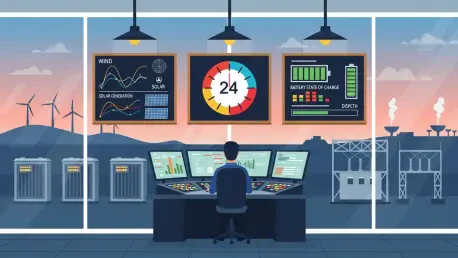

The Midnight Test
At 12:17 a.m., a flagship AI data center stamped “100% renewable” kept humming while the local grid leaned on gas, and the claim still looked spotless on a spreadsheet. The turbines next door spun on methane, electrons flowed as physics required, and the brand promise did not blink. That late-night disconnect has become the quiet stress test of modern climate claims.
Operators call it the midnight test because it reveals what marketing glosses over: power systems must balance supply and demand every hour. When midnight load is “covered” by noon solar from another region, the ledger says clean while the smokestack says otherwise. The gap erodes trust at the moment electricity demand surges.
Why This Story Matters
The GHG Protocol’s Scope 2 standard sits at the center of how companies report electricity emissions and set decarbonization targets. Its definitions determine what counts as clean power and which purchases reduce reported footprints. That is why updates under consultation now loom so large: they could reset the rules of the game.
For a decade, energy attribute certificates made sense. They allowed buyers to support renewables anywhere and any time, lowering barriers when wind and solar were costly and contracting was complex. Today the stakes are different. Round-the-clock loads from data centers, factories, and electrified fleets have brought real-time credibility into sharp focus.
How the Rules Created a Gap
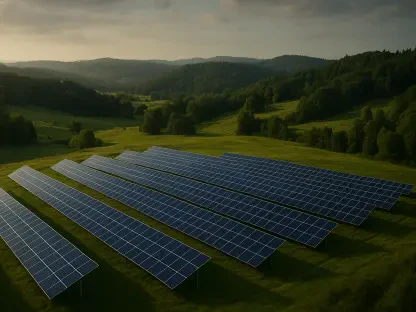
Annual, location-agnostic accounting lets a company in Virginia claim 100% solar while drawing nighttime power from a fossil-heavy regional mix. Unbundled, cheapest-available certificates often flow from projects that would have been built anyway, so reported “zero” can mask little to no change in systemwide emissions. The mismatch is not fraud; it is a feature of flexible rules built for an earlier market.
Experts have a blunt reminder: “Electricity is balanced in real time.” Studies echo the point, finding that unbundled certificates deliver limited incremental impact compared with procurement that is matched by hour and deliverable across the grid. Meanwhile, the assets needed to keep emissions low at 2 a.m.—storage, demand flexibility, and clean firm power—receive scant recognition in current accounting.
What Reform Would Do
Proposed GHG Protocol updates would tie claims to the physics of the grid. Time-aligned matching would require buyers to show that clean generation occurred in the same hours as consumption, narrowing the space for noon solar to offset midnight use. A deliverability test would add geography, ensuring power is counted only when it can reasonably flow to the load.
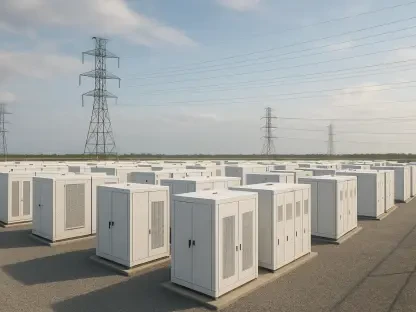
Those two levers would trigger a market shift. Instead of hunting the cheapest certificates, buyers would assemble balanced portfolios: wind and solar for low-cost megawatt-hours, batteries to cover evening ramps, demand flexibility to shave peaks, and clean firm resources like nuclear, geothermal, or gas with carbon capture to ride through long lulls. The result would be fewer “100%” labels on paper and more clean power in the hours that matter.
Shifts Already Underway
Some leading buyers and regional programs have moved toward hourly tracking, treating it as a reliability standard as much as a climate one. Early projects have exposed the gritty details that broad claims obscure: storage duration shortfalls, curtailment patterns, and interconnection bottlenecks that turn aspirational portfolios into real ones. Those lessons have sharpened procurement strategies for continuous, high-value loads.
Investor pressure has kept pace. Analysts have flagged the reputational risk of claims that wilt under operational audits. Watchdogs have focused on visible fossil “fill-in” during peaks and cloudy weeks, which the public experiences directly through price spikes and outage alerts. The market mood has shifted from tolerance of flexible accounting to demand for hour-by-hour credibility.
A Playbook for Companies
The transition starts with data. Building an 8760 load profile reveals the hours where emissions and costs bite hardest, often evenings and shoulder seasons when renewables dip. From there, phased targets help—moving from annual to monthly, then hourly matching in priority regions, allows teams to learn without derailing long-term budgets or contracts already in place.
Procurement then becomes portfolio design. Contracts that value deliverability within defined grid regions, storage sized to multi-hour ramps, and demand-side tools that shift consumption can close most gaps. Clean firm capacity covers the remainder. Hourly tracking platforms and standardized tags, audited where possible against grid-operator data, keep the numbers honest and the bankability of new projects intact.
The Road Ahead
Implementation had required finesse: tiered timelines for smaller firms, safe harbors for near-maturity contracts, and targeted crediting for long-duration storage and geothermal accelerated adoption without breaking momentum. Standardized deliverability maps, refreshed periodically, cut legal friction and gave buyers clarity. With those guardrails, companies aligned claims with grid reality and signaled durable demand for round-the-clock clean power.
The payoff was not just reputational. Portfolios designed for hourly credibility reduced exposure to volatile fossil peaks, strengthened hedges against price swings, and unlocked financing for technologies the transition needed most. The midnight test turned from a liability into a benchmark, and “100%” meant what physics said it meant—hour by hour, region by region.