
A Transformative Shift in the American Energy Landscape
The intricate machinery of the American power grid is currently undergoing its most radical transformation since the dawn of the industrial age as aging coal plants shutter in favor of vast solar arrays. Data reveals a nation moving away from traditional fossil fuels toward a diversified, renewable-heavy portfolio. This analysis explores the rapid ascension of solar energy as a cornerstone of the grid. By examining projections through 2027, it becomes clear that solar is a critical component in meeting rising electricity demands during periods of peak seasonal stress.
The Evolution from Carbon-Heavy Baseloads to Renewables
For over a century, coal served as the bedrock of the grid, providing reliable but carbon-intensive electricity. However, the last two decades saw a dramatic realignment driven by technological innovation and shifting economics. Hydraulic fracturing allowed natural gas to displace coal, but the current era is defined by plummeting costs of solar panels. This structural transition involves retiring aging plants in favor of cleaner infrastructure that can be deployed rapidly to meet modern needs.
The Strategic Expansion of Renewable Energy Sources
Solar Power as a Seasonal Powerhouse
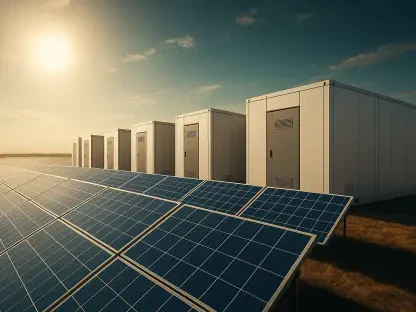
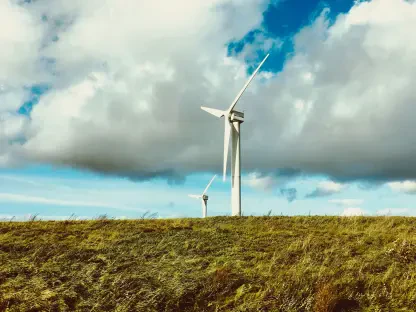
Solar generation is projected to surge by 17% this summer compared to previous years, reaching 415 billion kWh by 2027. While wind remains the leader in annual output, solar now consistently outperforms it during the hottest months. This shift is vital because solar production aligns with high demand for air conditioning, providing a buffer against grid instability. By 2027, solar output is expected to exceed wind generation by nearly 30% during the summer.
The Steady Retreat of Coal-Fired Generation
In direct contrast to the solar boom, coal continues its downward trajectory. Projections indicate a 10% drop in coal-fired generation as more utilities decommission inefficient plants. Unlike natural gas and nuclear power, which remain stable, coal is being systematically phased out. This transition is driven by the reality that renewable assets, supported by battery storage, are becoming more economically viable than maintaining the massive overhead required for coal operations.
Navigating Grid Reliability Amid Rising Consumption
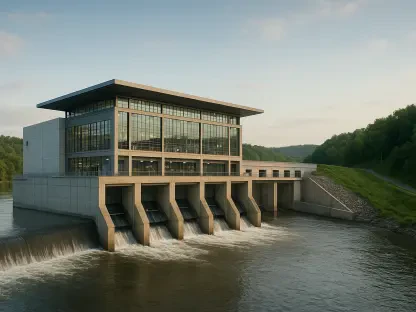
The transition to a renewable-heavy grid introduces complexities that require sophisticated management. As total electricity sales are anticipated to climb by 3.3% by 2027, the grid must handle higher loads with an intermittent supply. Integrating these sources requires a portfolio approach, leveraging hydroelectric power and nuclear fleets to provide a steady floor. Data shows solar increasingly carrying the weight of summer surges, debunking misconceptions about renewable reliability.
Emerging Trends and the Future of Energy Infrastructure
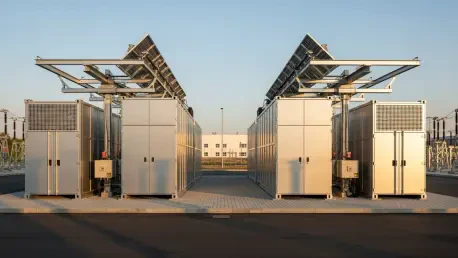
Looking ahead, several innovations are set to accelerate this evolution. The deployment of utility-scale battery storage is a significant trend, allowing solar energy captured during the day to be dispatched after sunset. Furthermore, federal incentives are streamlining the interconnection process, reducing the bottlenecks that delayed projects. Experts predict that as coal capacity vanishes, the grid will become increasingly decentralized, with regional solar hubs providing localized resilience.
Practical Strategies for a New Energy Era
The shift toward solar offers clear takeaways for stakeholders. For businesses, entering into long-term Power Purchase Agreements can provide price stability where traditional fuel costs fluctuate. For policymakers, the priority must remain on infrastructure modernization, specifically high-voltage transmission lines that move energy from sun-drenched regions to urban centers. Consumers can benefit from adopting smart-home technologies that align energy usage with peak solar production hours.
Final Perspectives on the American Power Transition
The transition represented a fundamental reimagining of national energy security. Stakeholders prioritized the integration of storage and grid flexibility to ensure long-term stability. This movement successfully addressed the environmental footprint while meeting the soaring demand of a high-tech society. Moving forward, the focus shifted toward enhancing inter-regional connectivity and securing the supply chain for renewable components. The path established a robust framework for a resilient, solar-centric future.