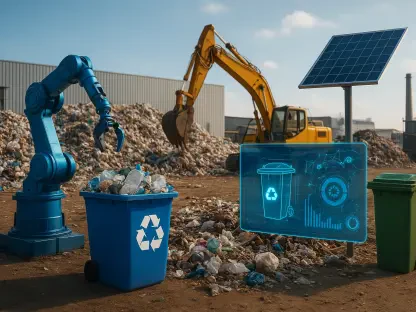

As the global energy landscape undergoes a fundamental reconfiguration, the necessity for viable alternatives to traditional petroleum-based products has reached a critical inflection point where environmental stewardship and industrial profitability must finally converge. The sheer volume of non-recyclable plastic waste and agricultural biomass accumulating in landfills represents a staggering missed opportunity for fuel production, particularly when existing infrastructure is already primed for high-performance chemical processing. Abundia Global Impact Group, Inc. has aggressively positioned itself at the forefront of this industrial shift, transitioning from its heritage in conventional energy toward a vertically integrated waste-to-value model. By establishing its operations within the Houston energy corridor, the organization is leveraging some of the world’s most advanced logistics and refining infrastructures to process biomass and plastic waste into “drop-in” fuels. These fuels are specifically engineered to function within existing internal combustion engines without the need for mechanical modification, offering a practical and immediate solution to the carbon intensity of modern transportation. This strategic pivot reflects a broader movement within the industry toward circularity, where the success of a business is measured not just by its output, but by its ability to resolve complex ecological challenges while maintaining operational resilience and economic viability.
Engineering a Scalable Production Model
A cornerstone of the current operational strategy involves the selection of Burns & McDonnell to lead the Front-End Engineering and Design (FEED) package for the company’s primary commercial facility. This partnership is a vital step in de-risking the project, as it establishes the precise technical requirements and investment estimates necessary for large-scale deployment. By focusing on a modular design philosophy, the company ensures that its facility blueprints are not limited to a single location but can be replicated across diverse geographic markets to meet localized demand for sustainable energy. This modularity allows for a significant reduction in construction timelines and costs, providing a blueprint that can be adapted to various feedstock availability and regulatory environments. The engineering phase is designed to validate the technical viability of the production process, ensuring that every stage—from feedstock preparation to final refining—is optimized for maximum efficiency and environmental compliance. Such a rigorous approach to design is essential for securing long-term operational stability and meeting the performance expectations of industrial partners and fuel distributors alike.
To ensure that the output of these facilities meets the most stringent commercial standards, a sophisticated technology stack has been integrated into the production workflow. This stack combines several validated industrial systems, including a strategic partnership with Alterra Energy for the conversion of plastic waste into liquid hydrocarbons. Furthermore, an exclusive agreement with Topsoe for the implementation of HydroFlex® technology allows the company to upgrade raw outputs into high-quality, renewable fuels. This combination of proprietary and licensed technologies creates a competitive edge, enabling the processing of diverse waste streams into uniform, high-value chemicals and fuels. The integration of the HydroFlex® process is particularly significant, as it provides the refining capabilities necessary to produce fuels that are chemically identical to their fossil-fuel counterparts but with a fraction of the carbon footprint. By refining raw waste-derived oils into commercial-grade products, the company is bridging the gap between waste management and energy production, creating a seamless pathway that turns environmental liabilities into indispensable energy assets. This technological synergy is fundamental to the company’s ability to scale its operations while maintaining consistent product quality and meeting the growing demand for low-carbon alternatives.
Strengthening Operations Through Vertical Integration
The strategic acquisition of RPD Technologies in early 2026 marks a significant milestone in the effort to achieve total vertical integration within the renewable energy sector. RPD Technologies, a project development firm with deep roots in the renewable and refining markets, provides the organization with internal engineering expertise that was previously sourced from external consultants. This move not only reduces operational overhead but also grants the company greater control over the design, construction, and long-term operation of its planned production facilities. By internalizing these critical functions, the management team can respond more rapidly to technical challenges and market shifts, ensuring that project timelines remain on track. Furthermore, the acquisition introduces a diversified revenue stream, as the engineering services provided by RPD can be utilized across a broader portfolio of renewable projects. This internal synergy strengthens the corporate structure, transforming the company into a self-sufficient entity capable of managing the entire lifecycle of a waste-to-value project, from initial concept and engineering to full-scale commercial production and maintenance.
To support these ambitious industrial objectives, the company successfully secured $20 million in direct financing to provide the liquidity necessary to reach the Final Investment Decision (FID). This capital infusion is a clear indicator of investor confidence in the scalability and long-term potential of the waste-to-value platform, particularly as the demand for sustainable chemical feedstocks continues to rise. The funding allows management to focus on achieving critical technical milestones and securing feedstock agreements without the immediate pressure of liquidity constraints. This financial stability is essential during the capital-intensive phases of engineering and permitting, where precision and thoroughness are paramount. By securing this investment, the company has demonstrated its ability to attract capital in a competitive market, positioning itself as a reliable player in the energy transition. The focus remains on utilizing these funds to finalize the technical designs and regulatory filings required for the Cedar Port facility, which will serve as the flagship operation for the company’s global expansion strategy. This robust financial foundation is a prerequisite for the large-scale infrastructure investments that define the next phase of the company’s growth.
Capitalizing on Global Market Drivers and Regulatory Trends
Current macroeconomic factors and shifting regulatory landscapes are creating a favorable environment for the expansion of sustainable aviation fuel (SAF) and other low-carbon energy products. Governments worldwide are increasingly mandating the use of recycled content and renewable fuels, leading to a significant supply-demand gap that traditional energy producers are struggling to fill. The strategic location of the flagship project at Cedar Port, situated within the Gulf Coast’s extensive supply chain network, allows the company to capitalize on these trends by utilizing existing pipelines and port infrastructure. This proximity to major industrial hubs ensures a steady supply of feedstock and a direct route to global markets, where the demand for SAF is expected to accelerate throughout the remainder of the decade. By aligning its production goals with global decarbonization mandates, the company is positioning its products as essential components of the future transportation sector. The focus on SAF is particularly relevant, as the aviation industry faces unique challenges in reducing its carbon footprint, making high-quality, drop-in renewable fuels an indispensable tool for meeting international climate targets.
The operational roadmap for 2026 and 2027 includes a series of clearly defined milestones designed to maintain transparency and ensure steady progress toward commercialization. These steps include the completion of the Process Design Package and the launch of a dedicated research and development facility at the Cedar Port site, which will focus on refining the biomass-to-SAF production pathway. These initiatives are crucial for validating the technical performance of the integrated system before the commencement of full-scale construction. By systematically addressing technical and regulatory requirements, the company is building a foundation of trust with stakeholders and future offtake partners. Each milestone achieved serves as a proof point for the scalability of the waste-to-value model, demonstrating that the transition from plastic waste to high-performance fuel is not only possible but commercially viable. The path toward the Final Investment Decision in 2027 is paved with these strategic objectives, ensuring that by the time construction begins, the project will have been thoroughly vetted from both an engineering and a financial perspective. This disciplined approach to project development is intended to maximize the efficiency of capital deployment and ensure the long-term success of the company’s renewable energy initiatives.
Defining the Roadmap: Strategic Milestones for Industrial Success
The implementation of the waste-to-value framework demonstrated that the transition toward sustainable energy required a fundamental shift in how industrial resources were managed and deployed. The organization recognized that success in the renewable sector was not solely dependent on technological innovation, but also on the ability to integrate that technology into a cohesive, vertically controlled business model. By prioritizing internal engineering capabilities and securing strategic partnerships with established technology providers, the company successfully de-risked its path to commercialization. The acquisition of specialized project development expertise allowed for a more streamlined approach to facility design, which ultimately reduced the reliance on external variables and increased the predictability of project outcomes. Investors and industry observers noted that this comprehensive strategy addressed the most significant barriers to entry in the waste-to-energy market, specifically the challenges associated with feedstock consistency and output quality. This structural transformation solidified the company’s standing as a leader in the circular economy, proving that environmental liabilities could be systematically converted into high-value assets.
Stakeholders determined that the long-term viability of the waste-to-value platform rested on its ability to adapt to a rapidly changing regulatory environment and evolving market demands. The focus on high-quality, drop-in fuels proved to be a decisive factor in attracting interest from the aviation and heavy transport sectors, which required solutions that were compatible with existing infrastructure. The strategic emphasis on the Cedar Port facility provided a replicable model for future global expansion, highlighting the importance of proximity to major logistics hubs and feedstock supplies. Moving forward, the emphasis shifted toward expanding the research and development pipeline to include a wider variety of non-recyclable polymers and agricultural residues. This evolution in the company’s technical scope was designed to ensure that the production facilities remained versatile and capable of meeting the diverse needs of a low-carbon economy. The lessons learned during the initial phases of the transition provided a clear roadmap for other industrial players looking to pivot toward renewable solutions. Ultimately, the successful alignment of engineering precision, financial strategy, and market timing established a new standard for excellence in the energy transition, demonstrating a clear path toward a more sustainable and profitable industrial future.