
The relentless sun beating down on the Al-Hol displacement camp in northeastern Syria has exacerbated a humanitarian catastrophe that now threatens the survival of thousands of residents who lack access to consistent, clean drinking water. For years, the facility has struggled with overcrowding and insecurity, but the current environmental and political climate has pushed the water supply to a breaking point. Regional droughts and the systematic degradation of existing infrastructure have combined to create a scenario where daily water rations fall significantly below the minimum standards established by international health organizations. This crisis is not merely a logistical failure but a complex geopolitical struggle where water is frequently weaponized or neglected due to jurisdictional disputes between local authorities and neighboring powers. As the situation intensifies, the necessity for a permanent and technologically advanced solution has become paramount to prevent a massive outbreak of waterborne diseases.
Infrastructure Failures: The Impact of Geopolitical Bottlenecks
The primary source of water for the region, the Aluk water station, has become a focal point of the crisis due to its location in a zone controlled by various military factions. Frequent operational shutdowns at the station have left over half a million people, including those in Al-Hol, without a reliable supply for weeks at a time. Maintenance teams often face significant dangers when attempting to repair the aging pumps and electrical grids, as shelling and localized skirmishes frequently target these critical assets. Consequently, the reliance on the station has proven to be a strategic liability rather than a sustainable solution. The lack of spare parts and specialized technical expertise further complicates the situation, as international sanctions and border closures restrict the flow of necessary hardware. This mechanical decay is compounded by the declining water levels in the Euphrates River, which serves as the ultimate source for many secondary distribution networks.
To mitigate the immediate shortfall caused by the Aluk station’s failure, humanitarian agencies have relied heavily on a fleet of water trucks to deliver daily supplies. However, this method is extraordinarily expensive and inherently inefficient, as it requires navigating through complex security checkpoints and deteriorating road networks. The cost of fuel and vehicle maintenance has skyrocketed, consuming a disproportionate share of the limited humanitarian budget allocated for the camp. Furthermore, the water delivered by these trucks is often sourced from unregulated local wells that are prone to contamination from agricultural runoff and untreated sewage. This has led to a surge in gastrointestinal infections and skin conditions among children, who are the most vulnerable demographic in the camp environment. The logistical strain of maintaining this trucking lifeline is unsustainable in the long term, especially as the demand for water increases during the peak summer months.
Technological Interventions: Implementing Sustainable Local Solutions
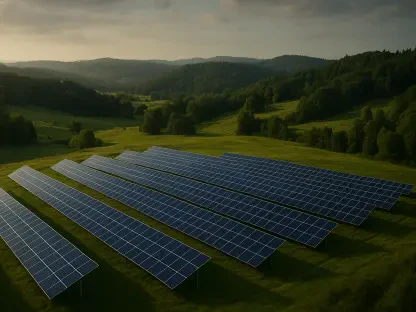
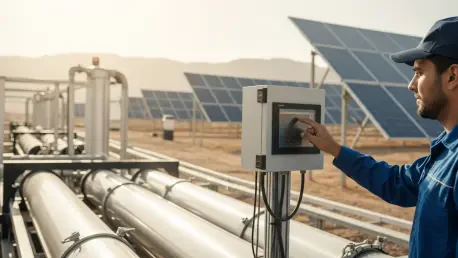
Transitioning toward decentralized water systems offers a viable path forward by reducing the camp’s dependence on vulnerable centralized infrastructure like the Aluk station. One of the most promising technologies currently being deployed is the installation of modular reverse osmosis units powered by integrated solar arrays. These units can treat brackish groundwater directly on-site, providing a reliable source of potable water that is independent of the regional electrical grid. By utilizing the abundant solar energy available in northeastern Syria, the camp can significantly reduce its operational costs while ensuring a continuous supply of water even during fuel shortages or power outages. These modular systems are designed for rapid deployment and can be scaled according to the specific needs of different sectors within the camp. Furthermore, the use of advanced filtration membranes ensures that the treated water meets international safety standards, effectively neutralizing the threat of pathogens.
Ultimately, the shift toward integrated water resource management provided a blueprint for addressing similar crises in other displaced person camps across the globe. Authorities implemented comprehensive training programs for camp residents, empowering them to manage the solar-powered desalination units and monitor water quality independently. This transition away from a reactive, aid-dependent model toward a proactive, technology-driven strategy significantly improved the health outcomes and overall security of the Al-Hol population. The successful integration of renewable energy and advanced filtration technology proved that localized solutions could overcome the limitations of crumbling centralized grids. Moving forward, the lessons learned from the Al-Hol water crisis highlighted the importance of anticipating environmental shifts and investing in resilient infrastructure before conditions reached a breaking point. These actions not only resolved the immediate thirst of thousands but also laid the groundwork for a more sustainable living environment.