
The traditional fragmentation of the Western Interconnection is rapidly giving way to a more unified and sophisticated energy landscape as utilities move toward regionalized management models. For decades, the electricity grid across the Western United States operated as a collection of more than three dozen independent balancing authorities, each responsible for maintaining its own supply-and-demand equilibrium. While this localized control provided a sense of autonomy for individual service territories, it often resulted in missed opportunities for resource optimization and collective resilience. In a modern environment characterized by extreme weather events and fluctuating generation from diverse sources, the limitations of these isolated silos have become increasingly apparent. The shift toward organized regional markets represents a fundamental change in how power is procured, transmitted, and shared across state lines. By integrating these disparate systems, utilities are now leveraging the power of scale to enhance reliability while simultaneously reducing the financial and environmental costs of energy production.
Operational Evolution and Market Expansion
The transition from localized operations to participation in a Regional Transmission Organization represents a significant departure from the historical utility business model. Historically, a utility would rely primarily on its own generation assets or bilateral contracts with immediate neighbors to meet the needs of its customers. This restricted approach meant that if local generation failed or if demand spiked unexpectedly, the utility had limited options to balance the system quickly and affordably. By joining a regional market, such as the Southwest Power Pool, utilities like the La Plata Electric Association are now tapping into a vast pool of diverse energy resources spread across a massive geographic footprint. This integration allows for real-time dispatching of the most efficient power plants available within the entire region, ensuring that electricity is sourced from the most cost-effective and reliable providers at any given moment. This centralized coordination effectively smooths out the peaks and valleys of energy demand.
The Impact of Centralized Dispatch
Centralized dispatching serves as the primary engine for efficiency within an integrated regional grid, allowing system operators to view the entire network as a single, cohesive entity. When a utility operates in isolation, it must maintain high levels of reserve capacity to prepare for the worst-case scenario, which often results in idle, expensive infrastructure. In contrast, an integrated market allows multiple utilities to share these reserve requirements, significantly lowering the overall cost of maintaining a reliable system. By using advanced algorithms to monitor real-time conditions, market operators can move power from areas with excess supply to areas facing high demand with surgical precision. This capability is particularly crucial during periods of regional stress, such as prolonged heatwaves or unexpected equipment failures. The ability to source power from hundreds of miles away in a matter of seconds provides a level of security that localized systems simply cannot match, creating a more robust energy backbone for the entire West.
The benefits of this centralized approach extend beyond simple reliability to include substantial economic advantages for the participating utility and its end-use customers. When power is dispatched based on regional merit, the cheapest available electrons are prioritized, regardless of which specific utility owns the generating asset. This competitive environment forces older, less efficient plants to compete with modern, high-efficiency facilities, naturally driving down wholesale power costs over time. Furthermore, the broader geographic diversity inherent in a regional market helps to mitigate the impact of localized fuel price volatility or resource constraints. For instance, if a specific region experiences a shortage of natural gas or a drop in hydroelectric output due to drought, the integrated grid can compensate by drawing from wind, solar, or thermal assets located in a different climatic zone. This diversification acts as a hedge against the unpredictability of individual resource types, ensuring a stable and predictable price point for consumers.
Legislative Drivers and Policy Mandates
The movement toward regional integration is not merely a voluntary industry trend but is increasingly reinforced by proactive legislative actions across several Western states. In Colorado, for example, legislation such as SB 72 has set a clear trajectory by requiring all jurisdictional utilities to join a regional transmission organization by 2030. These policy mandates reflect a growing consensus among lawmakers that a unified grid is essential for meeting state-level energy goals and economic objectives. By codifying these requirements, states are providing the regulatory certainty necessary for utilities to make long-term investment decisions regarding transmission infrastructure and resource procurement. This legislative push ensures that the transition is coordinated and that all stakeholders are moving in the same direction, preventing a fragmented patchwork of market participation. These laws also empower state regulators to oversee the transition, ensuring that the interests of the public and the environment are prioritized.
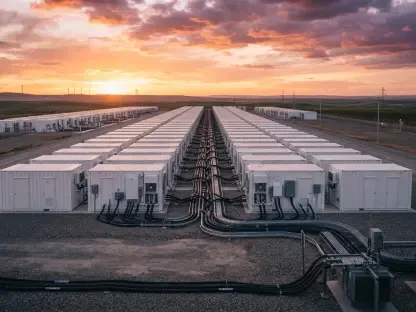
Beyond the immediate requirements of state law, these legislative frameworks encourage a more holistic approach to long-term utility planning and infrastructure development. When utilities are required to participate in a regional market, their planning processes must account for the interconnected nature of the broader grid, leading to more collaborative transmission projects. This prevents the redundant construction of power lines and ensures that new infrastructure is placed where it can provide the greatest benefit to the entire regional network. The legislative emphasis on regionalism also facilitates the integration of new technologies, as a larger market provides a more stable platform for deploying large-scale energy storage and advanced grid management software. As more states adopt similar mandates, the pressure on remaining independent utilities to join these organized markets will only increase. This regulatory momentum is transforming the Western grid from a collection of local interests into a sophisticated, interstate machine designed for the modern era.
Environmental Sustainability and Infrastructure Efficiency
The shift toward regional grid integration is proving to be a powerful catalyst for achieving ambitious environmental targets across the Western United States. By allowing for the seamless flow of energy over large distances, integrated markets can better manage the variability associated with renewable energy sources like wind and solar. In an isolated system, a sudden cloud cover over a solar farm or a lull in wind speed can create immediate stability issues, often requiring the quick startup of carbon-intensive “peaker” plants. However, within a regional footprint, these localized fluctuations are often balanced out by generation elsewhere in the market. This geographic smoothing effect allows for a much higher penetration of clean energy without compromising the stability of the grid. Consequently, utilities participating in these markets are reporting immediate and significant reductions in greenhouse gas emissions, as they can consistently access low-carbon resources that were previously out of reach or difficult to integrate.
Optimizing Resource Portfolios
A regionalized market enables utilities to diversify their resource portfolios with a level of efficiency that was previously unattainable under the old, fragmented model. Instead of every utility needing to build its own suite of diverse generation assets, they can now rely on the market to provide the necessary mix of baseload, peaking, and renewable power. This shared-resource environment encourages the development of large-scale renewable projects in the most productive locations, such as wind farms in the high plains or solar arrays in the desert, where the cost of production is lowest. These projects can then serve multiple utilities across the region, spreading the development costs and benefits across a wider population. The result is a more rationalized energy landscape where investment is directed toward the most productive assets rather than being constrained by utility service boundaries. This shift not only lowers the overall carbon footprint of the grid but also ensures that the transition to clean energy is handled in a fiscally responsible manner.
Furthermore, the data generated by participating in an organized market provides utilities with deep insights into the most effective ways to modernize their aging infrastructure. By analyzing market price signals and congestion patterns, utility managers can identify exactly where new transmission lines or storage facilities will provide the greatest return on investment. This data-driven approach replaces the guesswork of traditional planning with a rigorous, market-validated strategy for grid expansion. As utilities retire older coal and gas units, the regional market provides a safety net, allowing them to transition to new energy sources without risking service interruptions. The transparency provided by market operations also fosters greater accountability, as the costs and performance of different assets are visible to all participants. This environment of constant competition and collaboration pushes utilities to constantly refine their resource strategies, ensuring that the grid remains both sustainable and economically competitive for the long haul.
Modernizing Transmission Planning
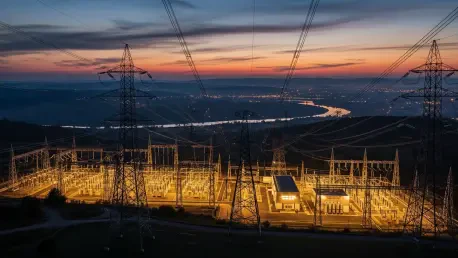
Regional integration fundamentally changes the nature of transmission planning from a localized effort into a strategic, multi-state coordination process. In the past, building a high-voltage transmission line across multiple utility territories was a bureaucratic nightmare, often plagued by conflicting interests and uncoordinated timelines. Regional Transmission Organizations provide a structured framework for identifying necessary transmission upgrades that benefit the entire region, streamlining the planning and cost-allocation process. This collaborative approach is essential for connecting remote renewable energy zones to major urban load centers, a task that no single utility could accomplish alone. By sharing the costs of these major projects among all beneficiaries, the financial burden on individual sets of ratepayers is minimized. This collective investment strategy ensures that the Western grid can accommodate the massive increases in electricity demand expected from the growth of electric vehicles and industrial electrification.
The efficiency gains from regional transmission planning also manifest in the form of reduced grid congestion and fewer instances of curtailed renewable energy. When the grid is poorly connected, clean energy generated in one area may be “trapped” because there is not enough transmission capacity to move it to where it is needed, forcing operators to shut down wind or solar farms. Regional markets use sophisticated modeling to identify these bottlenecks and prioritize the upgrades that will unlock the most stranded energy. This ensures that every megawatt of clean energy produced can actually reach the consumers who need it, maximizing the utilization of existing and future green assets. As the Western Interconnection becomes more tightly integrated, the physical infrastructure of the grid is becoming more resilient to the localized impacts of climate change, such as wildfires or extreme storms. This move toward a more robust, interconnected network is a prerequisite for a secure energy future that can withstand the unpredictable challenges of the coming decades.
Future Outlook and Strategic Considerations
The transition toward regional grid integration is no longer a speculative trend but a tangible reality that is reshaping the competitive landscape for Western utilities. As organizations move past the initial implementation phases, the focus was redirected toward refining market rules and enhancing the precision of inter-regional power transfers. The success of early adopters has provided a blueprint for others, demonstrating that the perceived loss of local control is more than offset by the gains in system reliability and cost stability. Moving forward, the industry must prioritize the continued expansion of transmission capacity to support the increasing load from data centers and the broader electrification of the economy. This will require sustained cooperation between state regulators, utility executives, and regional market operators to ensure that the grid evolves in a synchronized manner. The goal is to move beyond mere participation toward a state of total system transparency, where every asset is utilized to its maximum potential for the collective benefit of the region.
To capitalize on these developments, utility leaders should focus on several strategic priorities to ensure they remain competitive in an increasingly integrated market. First, investing in advanced grid-edge technologies and data analytics will be essential for responding to real-time market signals and managing localized demand-side resources. Second, utilities must actively engage in the governance processes of their respective regional organizations to ensure that market rules accurately reflect the unique operational characteristics of the Western grid. Finally, there should be a concerted effort to communicate the tangible benefits of market participation to customers and shareholders, highlighting the improvements in reliability and the long-term stabilization of energy rates. By embracing a proactive, regional mindset, utilities can transform from isolated providers into integral components of a high-performance energy network. The path forward is clear: the future of the American West depends on a unified grid that is as interconnected and resilient as the communities it serves.