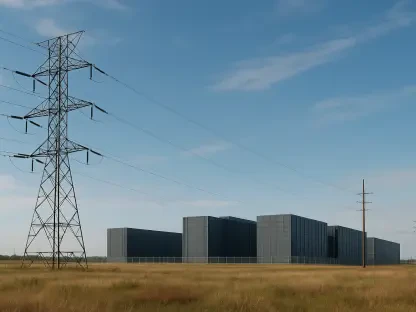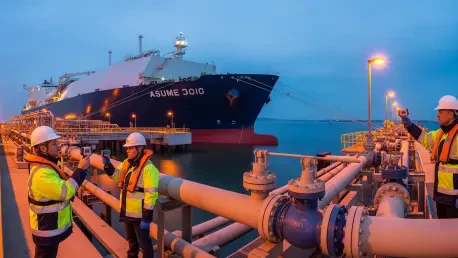

The global energy sector is currently navigating a high-stakes transition where the invisible threat of methane leakage has transformed from a niche environmental concern into a central pillar of international trade diplomacy. While carbon dioxide often dominates the headlines, methane remains a far more aggressive climate accelerant, trapping significantly more heat in the short term. Recently, a sudden pivot in global oversight has emerged as nations grapple with the dual pressures of climate commitments and the immediate need for reliable fuel. This shift signifies a departure from the purely punitive measures of the past, moving toward a framework that acknowledges the precarious nature of the current global energy supply chain.
As we look at the policy crossroads of 2026, the transition from rigid mandates to regulatory flexibility has become the most significant energy story of the year. Governments are finding that a “one size fits all” approach to emissions often clashes with the harsh realities of keeping the lights on. This evolution is not a surrender of environmental goals but rather a tactical recalibration. Policymakers are increasingly willing to trade immediate financial penalties for long-term infrastructure improvements, recognizing that a bankrupt energy sector cannot fund a green transition.
The current executive summary of this landscape reveals a complex interplay between energy security, geopolitical pressure, and rapid technological innovation. European markets, in particular, are finding themselves at the center of this storm as they attempt to reconcile their strict environmental standards with a heavy reliance on imported gas. The result is a legislative environment that is becoming more nuanced, where “compliance” is being redefined to include not just absolute emission levels but also the transparency and accuracy of the reporting itself.
The Evolution of Global Methane Mandates
Statistical Trends: Monitoring and Compliance
The industry is currently staring down what experts call the “compliance cliff,” with data indicating that up to 43% of gas imports and a staggering 87% of oil imports could face non-compliance by 2027. This looming deadline has sent shockwaves through the market, forcing a rapid reassessment of how methane is tracked. International Energy Agency data confirms that methane is roughly 80 times more potent than carbon dioxide over a 20-year period, a fact that has driven the 30% rise in global temperatures since the dawn of the Industrial Revolution.
This potency factor has necessitated a surge in Measurement, Reporting, and Verifying (MRV) frameworks across international energy corridors. Adoption statistics show that more companies are moving away from theoretical estimates toward direct measurement. However, the gap between current emissions and the targets set in early climate agreements remains wide. The next few years will determine whether the industry can bridge this divide through better reporting or if the sheer volume of non-compliant imports will force a permanent softening of the rules.
Real-World Application: Sector Integration
To meet these evolving standards, energy companies are undertaking massive infrastructure overhauls, specifically focusing on Leak Detection and Repair (LDAR) protocols. These are no longer occasional checks but integrated, continuous monitoring systems designed to catch leaks in real time. Moreover, managing legacy assets has become a priority as regulators turn their attention to abandoned wells and inactive mines. These “ghost emissions” often go unnoticed for years, but new legislation is forcing owners to take responsibility for the environmental footprint of assets that are no longer productive.
Transnational standards are also playing a pivotal role in shaping how non-European suppliers behave. Because the European market is a massive destination for global energy, its import standards are effectively setting the floor for global transparency. To maintain market access, suppliers from the United States to the Middle East are being forced to adopt European-style monitoring. This ripple effect shows how regulatory shifts in one region can dictate the operational reality of the entire global supply chain, even in jurisdictions that lack their own domestic methane laws.
Industry Perspectives and Expert Insights
The Innovation-Led Argument: Technological Advancement
The conversation around regulation is increasingly dominated by the innovation-led argument, which suggests that technological breakthroughs are more effective than government-imposed fines. Advocates for this approach, including figures like U.S. Energy Secretary Chris Wright, argue that the industry has already demonstrated a capacity to lower emissions when given the right incentives. By prioritizing the development of better sensors and drones over the threat of litigation, the sector can achieve faster results without the economic drag of heavy-handed mandates.
The Pragmatic Shift: Supply Security
Energy consultants are also pointing to a pragmatic shift in how regulations are applied during times of crisis. The introduction of “supply security” shields has become a vital tool to prevent cargo diversion to Asian markets. If the penalties for non-compliance are too high during a gas shortage, suppliers may simply choose to send their ships elsewhere, leaving certain regions in the dark. Consequently, there is a growing consensus that flexibility is not a loophole but a necessary safety valve to keep the global energy market stable.
The Advocacy Warning: Loophole Concerns
In contrast, environmental groups and various lawmakers have issued a stern advocacy warning regarding the long-term impact of these flexibilities. They argue that suspending financial penalties during energy crises creates a permanent loophole that bad actors will exploit. If companies know they can avoid fines by citing market volatility, the incentive to invest in expensive mitigation technology disappears. These groups fear that the current trend toward leniency will stall the momentum gained in previous years, ultimately leading to a failure of global climate targets.
Future Implications and the Path Forward
The Security vs. Sustainability Trade-Off
The tension between immediate energy stability and long-term decarbonization remains the central challenge for the coming decade. Finding a resolution will require a delicate balance that protects the economy without sacrificing the planet. We are likely to see a move toward “smart regulation,” where penalties are tiered based on the severity of the leak and the genuine effort made by the operator to fix it. This approach acknowledges the reality of the energy crisis while still holding the industry accountable for its environmental impact.
Technological Mitigation: AI and Satellites
Technological mitigation will play the most significant role in lowering the cost of compliance. Satellite monitoring has advanced to the point where “super-emitters” can be identified from space in near real-time, making it impossible for companies to hide large leaks. When combined with AI-driven leak detection, these tools allow for a more surgical approach to repairs. This shift from manual inspections to automated oversight is expected to significantly reduce the overhead costs associated with meeting new regulatory standards.
Global Leadership Risks: EU Influence
There is a tangible risk that regulatory retreats could diminish the influence of certain regions on international climate policy. If the EU or other major blocs soften their stance too much, they may lose their “first-mover” advantage in setting global standards. This could lead to a fragmented regulatory landscape where different regions operate under vastly different rules, creating inefficiencies in the global market. Maintaining credibility will require these leaders to prove that their flexibility is temporary and strictly tied to measurable progress.
Economic Volatility: LNG and Storage
Finally, the future of methane enforcement will be dictated by the volatility of liquefied natural gas (LNG) prices and storage mandates. High prices often lead to a deprioritization of environmental goals as the focus shifts entirely to cost and availability. However, as storage levels stabilize and new supply comes online, the pressure to enforce methane rules will likely return with renewed intensity. Operators must be prepared for a cyclical regulatory environment where the “strictness” of the rules ebbs and flows with the state of the economy.
Conclusion: Balancing Ambition with Energy Reality
The transition toward methane regulatory flexibility was a direct response to the unprecedented energy security challenges that emerged over the past few years. This shift represented a significant finding in how governments prioritized immediate survival over long-term environmental targets, yet it also opened the door for a more technologically focused approach to emissions management. By suspending fines and focusing on supply continuity, policymakers effectively shifted the burden of proof onto the energy sector, challenging companies to prove they could reduce emissions through innovation rather than coercion.
The next three years have been identified as the critical milestone for the survival of the Green Deal’s objectives. During this period, the effectiveness of the current monitoring frameworks was tested against the reality of global trade. The industry sought to move toward a more integrated model where climate goals and energy security were not viewed as opposing forces but as two sides of the same coin. This led to an increased reliance on high-tech solutions, which offered a pathway to compliance that was both economically viable and environmentally sound.
The focus then turned to creating a balanced approach that secured energy flow without sacrificing the integrity of the environment. Stakeholders worked to refine the definition of “emergency” to ensure that regulatory exemptions were not used as a permanent shield against progress. In doing so, they aimed to build a more resilient energy system that utilized real-time data to drive decision-making. This evolution suggested that while the path to zero emissions might be more flexible than originally planned, the ultimate destination remained unchanged, provided that transparency and innovation continued to lead the way.