
A typical 1980s-era house in Milton Keynes has been successfully transformed into a decentralized power station that eliminates utility expenses for its inhabitants. This project arrives during a period of sustained volatility in the United Kingdom’s energy market, where residents have increasingly sought drastic measures to mitigate rising costs. While many households previously resorted to extreme frugality, such as using multiple layers of clothing or strictly limiting thermostat settings to 64°F, the Naylor family has opted for a comprehensive technological overhaul of their four-bedroom detached home. By integrating cutting-edge renewable systems, they have moved beyond mere conservation to a model of energy abundance. This transformation demonstrates that the aging housing stock, often characterized by poor thermal performance and reliance on fossil fuels, can be modernized to meet the highest efficiency standards. The success of this pilot serves as a beacon for millions of homeowners across the nation who are currently facing the economic pressure of rising price caps.
Technical Specifications: High-Performance Retrofits
Solar Generation and Intelligent Energy Storage
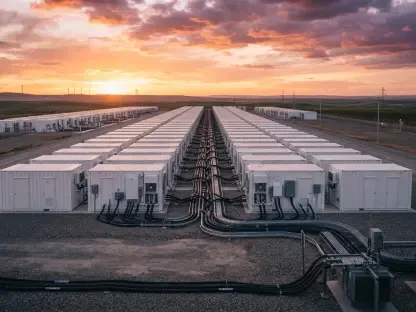
The technological foundation of this zero-bills property rests on an extensive array of 17 solar panels strategically installed to maximize photovoltaic harvesting throughout the day. These panels do not merely supplement the household’s energy needs but are designed to generate a substantial surplus that is fed back into the national grid. Central to this operation is a high-capacity storage battery that acts as the home’s primary energy reservoir, capturing excess electricity produced during peak sunlight hours. This stored power is then deployed during the evening or during periods of low solar intensity, ensuring that the property remains self-sufficient and does not need to draw expensive electricity from the external provider. This localized generation model effectively turns a private residence into a functional node of the energy infrastructure, reducing the overall strain on centralized power plants while providing the inhabitants with a level of security.
Moving away from traditional consumption patterns requires a shift in how energy is managed within the domestic environment, moving from passive usage to active monitoring. The storage system is governed by smart algorithms that optimize the balance between immediate consumption, battery charging, and grid exportation based on real-time data. For the residents, this means the previous anxieties associated with winter heating or the use of energy-intensive appliances have been largely mitigated. Instead of carefully timing laundry or limiting the use of hot water to save a few pennies, the family now operates within a framework of fair usage that allows for a high standard of living without financial penalty. This abundance is achieved through the synergy between the solar array and the battery, which ensures that even during the shorter days of the winter season, the household’s core requirements are met without necessitating a return to traditional utility billing.
Thermal Management and Financial Frameworks
A critical component of the retrofit process involves the total electrification of the home’s heating and cooking systems, which necessitates the removal of all gas-fired infrastructure. The centerpiece of this thermal strategy is an air-source heat pump, a technology that extracts heat from the outside air even in cold temperatures to provide consistent warmth and hot water. Unlike traditional gas boilers, which rely on combustion and emit carbon dioxide, heat pumps operate on electricity and offer much higher efficiency ratios by moving heat rather than generating it. To ensure the heat pump operates at peak effectiveness, the property underwent significant insulation upgrades to minimize thermal leakage. This included the installation of advanced glazing and the sealing of structural gaps, ensuring that the energy harvested by the solar panels and processed by the heat pump is retained within the living spaces for as long as possible before dissipating.
In the final assessment, the transition of the Naylor family’s home demonstrated that the path to a zero-bills future was both technically possible and economically rewarding for existing properties. The family had previously allocated approximately £130 per month to utility expenses, a sum that was then redirected toward personal savings and lifestyle improvements. This shift in the household economy illustrated the tangible benefits of achieving energy independence through a combination of renewable technology and smart fiscal planning. Moving forward, stakeholders should prioritize the expansion of these financial models to lower the entry threshold for middle-income households. Integrating real-time energy monitoring tools and pursuing high-quality insulation as a first step will remain critical strategies for homeowners aiming to replicate this success. This systematic approach ensures that energy independence becomes a standard feature of modern living rather than a luxury.