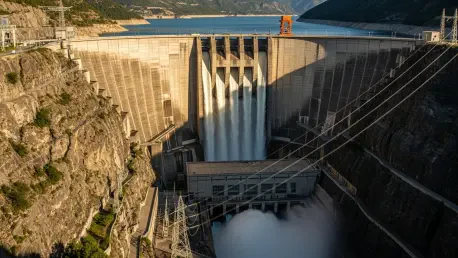

The global transition toward a carbon-neutral economy has reached a critical juncture where the focus is shifting from constructing massive new dams to the sophisticated rehabilitation of existing hydroelectric assets. This strategic pivot reflects a maturing industry that recognizes the immense untapped potential locked within aging infrastructure built decades ago. By leveraging modern engineering and digital integration, international technology leaders are transforming legacy sites into high-performance facilities capable of meeting the rigorous demands of a contemporary power grid. A primary example is the Strandfossen upgrade in Norway, where engineers utilize state-of-the-art components to maximize water resource efficiency while minimizing the ecological footprint. This trend represents a fundamental reimagining of hydropower as a flexible, intelligent partner to other renewable sources like wind and solar. Modernizing established plants offers a faster, more cost-effective path toward energy security than the lengthy permit processes associated with new greenfield developments.
Integrating Advanced Engineering: The Core of Facility Upgrades
The technical heart of this modernization movement lies in a holistic approach to equipment replacement, where engineers treat every component of a hydropower plant as part of a single, highly synchronized system. In the current landscape of 2026, the replacement of obsolete machinery with advanced Kaplan turbines and high-capacity generators has become a standard for industry leaders seeking to squeeze every possible kilowatt from a given flow rate. The Strandfossen project serves as a definitive case study, demonstrating how a comprehensive overhaul can increase a facility’s energy output by more than twenty-five percent without requiring any additional water intake. These upgrades involve meticulous planning to ensure that the new mechanical and electrical systems are perfectly calibrated to modern discharge capacities. By installing high-efficiency runners and optimized cooling systems, operators are seeing significant reductions in internal energy losses, which directly translates to powering thousands more homes with the same impact.
Furthermore, the transition to automated control systems is redefining the operational capabilities of these legacy plants, allowing for real-time adjustments that were previously impossible with manual technology. Modernization efforts now incorporate sophisticated sensors and diagnostic tools that monitor vibrations and water levels to predict maintenance needs before failures occur. This proactive strategy drastically reduces downtime and extends the operational lifespan of turbines for another several decades. In places like Nigeria, the refurbishment of aging turbines has proven essential for stabilizing regional power supplies while providing a blueprint for other developing nations to follow. These technical improvements ensure that the hydraulic path is optimized for contemporary environmental regulations. In India, the installation of advanced pump turbines from 2026 to 2028 has become a critical component of the national strategy to manage peak demand. These units switch between modes with speed, storing excess energy and releasing it when the grid is most stressed.
Global Resource Optimization: The Strategic Path Toward Energy Resilience
The scale of hydropower modernization is truly global, with massive turnkey contracts and strategic partnerships driving the revitalization of critical infrastructure in markets like Brazil, New Zealand, and the United States. In Brazil, operators are embarking on nationwide refurbishment programs to refresh baseline assets that have served the country for over half a century. These projects focus on digitalizing control rooms and replacing worn runners with high-efficiency designs that can better handle varying water levels caused by changing climate patterns. In the United States, the focus has shifted toward integrating hydropower into state-level decarbonization goals, where upgraded plants are being utilized to meet stringent carbon-neutral mandates. By opting for modernization over new construction, these nations are avoiding the significant environmental disruption and social displacement often associated with building new dam structures. This approach maximizes the value of existing water rights and land use, making it a sustainable solution.
Decision-makers who prioritized the modernization of existing hydroelectric dams successfully addressed the dual challenges of energy security and environmental conservation. The strategic implementation of high-fidelity sensors and AI-driven analytics allowed operators to transition from reactive to predictive maintenance models, which saved millions in potential repair costs. Policy frameworks that offered financial incentives for retrofitting older infrastructure proved more effective than those focusing solely on new developments. Utility providers discovered that investing in workforce training for digital control systems was just as critical as the hardware upgrades themselves. By the time these large-scale projects reached completion, the global grid became significantly more stable and capable of absorbing higher percentages of solar and wind energy. These efforts ensured that hydropower remained the backbone of a sustainable energy future, providing the necessary flexibility and reliability to power modern global industrial sectors with minimal impact.