
Massachusetts is rapidly transforming its electrical infrastructure from a centralized system dependent on fossil fuels into a decentralized, resilient powerhouse capable of meeting aggressive climate mandates by the end of the current decade. The state has emerged as a national leader in energy storage, driven by the realization that intermittent renewable sources like offshore wind and solar require massive buffering to ensure a stable supply during peak demand periods. As the regional grid faces increasing pressure from extreme weather events and the electrification of heating and transportation, the deployment of advanced battery systems has become a non-negotiable priority for state regulators and utility providers alike. This evolution is not merely about adding hardware but involves a sophisticated orchestration of policy, technology, and market incentives that aim to reduce the reliance on expensive and polluting gas-fired peaking plants. By 2026, the commonwealth has successfully integrated several gigawatts of storage, marking a pivotal shift in how energy is managed. This transition is characterized by a move toward a more democratic energy system where consumers become active participants in grid stability. The rapid scaling of these assets is essential for balancing the supply from offshore wind farms, which are increasingly becoming the backbone of the state energy mix. Achieving this scale requires navigating complex regulatory landscapes while fostering innovation in battery chemistry and grid-interactive software technologies.
Policy Mechanisms: Incentivizing Peak Demand Management
The Strategic Importance of Clean Peak Energy Standards
The Clean Peak Energy Standard serves as a fundamental pillar in the strategy to scale energy storage across Massachusetts by providing financial incentives for technologies that deliver clean energy during high-demand periods. This innovative policy mechanism requires retail electricity suppliers to meet a portion of their peak load with clean energy resources, effectively shifting the usage of renewables from times of abundance to times of scarcity. Storage facilities, whether paired with solar or operating as standalone assets, earn Clean Peak Certificates for every megawatt-hour they discharge during seasonal peak windows. This creates a predictable revenue stream for developers, making large-scale battery projects more bankable and attractive to private investors. Moreover, the standard helps lower overall system costs by reducing the need for inefficient fossil fuel generators that typically only run a few dozen hours per year. By prioritizing carbon-free peaking capacity, the state is demonstrating how market-based mandates can fundamentally rewrite the economics of the local energy landscape. This approach has encouraged a surge in projects specifically designed to optimize grid health while maximizing returns for owners.
Scaling Distributed Solar and Storage via the SMART Program
Parallel to peak standards, the Solar Massachusetts Renewable Target program has undergone significant refinements to mandate storage pairings for larger solar installations. By requiring solar projects above a certain capacity to include a storage component, the state ensures that new renewable energy generation does not overwhelm local distribution circuits during midday periods. This integrated approach allows for the smoothing of solar output, preventing voltage fluctuations and enhancing the overall reliability of the grid at the community level. The evolution of these incentives has shifted from simple production-based rewards to a more nuanced structure that values the time of delivery. Utilities have also played a crucial role by offering incentive programs that pay residential and commercial customers to allow the utility to draw from their batteries during critical peak events. This symbiotic relationship between state mandates and utility programs has accelerated the adoption of distributed energy resources across diverse demographics and industries. The program now serves as a primary driver for the behind-the-meter battery market, empowering home and business owners to contribute to the stability of the entire Massachusetts grid.
Technical Deployment: Diversifying Storage for Grid Reliability
Integrating Long-Duration Systems for Bulk Power Support
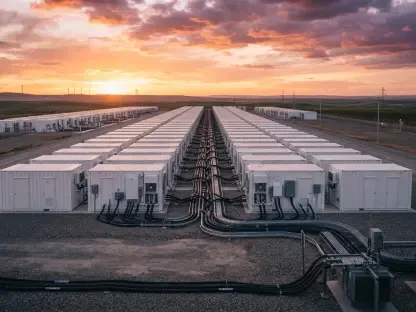
Scaling the grid necessitates a mix of behind-the-meter assets and massive, front-of-the-meter utility-scale installations that provide bulk power services. In the current year, several significant lithium-ion projects have come online, often situated near decommissioned power plants or strategic substations to leverage existing transmission infrastructure. These installations act as massive shock absorbers for the grid, providing frequency regulation and spinning reserves that were traditionally supplied by spinning turbines. However, as the duration of storage needs increases, there is a growing emphasis on non-lithium technologies that can provide ten or more hours of backup power. Iron-air and flow battery pilot programs are now transitioning into full-scale deployments, offering a safer and more sustainable alternative for long-duration applications. These systems are particularly vital for mitigating the variability of offshore wind projects currently being developed off the coast. By diversifying the technology mix, Massachusetts is building a more robust defense against the inherent intermittency of a fully renewable energy portfolio. This strategy ensures the grid remains functional even during multi-day periods of low wind or solar production.
Strategic Integration: Building a Resilient Energy Future
The successful expansion of the energy storage grid in Massachusetts depended on a holistic strategy that addressed technical, financial, and regulatory hurdles simultaneously. State agencies collaborated with private developers to modernize interconnection protocols, which significantly decreased the lead time for bringing new battery assets online. Safety remained a paramount concern, leading to the implementation of rigorous testing standards and community-led oversight committees that ensured the secure operation of high-capacity storage sites. These efforts fostered a stable environment for innovation, allowing the state to pivot from short-term lithium-ion solutions to a more diverse portfolio of long-duration storage technologies. Workforce training programs also ensured that the economic gains from the energy transition stayed within local communities, creating thousands of high-skilled jobs in the green technology sector. By the time the grid reached its capacity targets, the commonwealth had achieved a level of energy independence that protected consumers from the volatility of global fuel markets. The state managed to balance the immediate need for power with the long-term goal of total decarbonization, proving that a proactive approach to storage was the most effective way to secure the regional power supply.