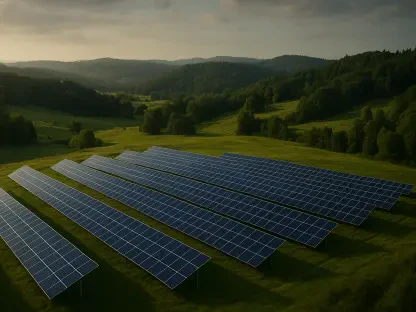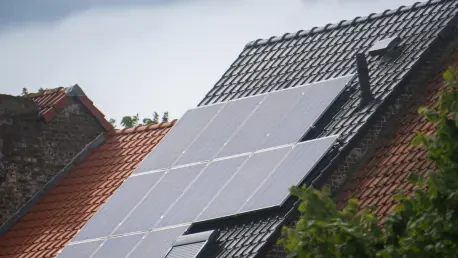

The architectural silhouette of Puerto Rico is currently undergoing a radical metamorphosis as thousands of gleaming silicon panels reclaim the rooftops of a territory once defined by its fragile and aging electrical infrastructure. This shift marks a historic transformation that is moving away from a century-old centralized model toward a decentralized, consumer-driven grid structure. Once defined by its heavy reliance on imported fossil fuels and a fragile infrastructure prone to catastrophic failure, the island has emerged as a global laboratory for high-penetration renewable integration. This analysis explores how rooftop solar and battery storage have transitioned from niche emergency solutions to the very backbone of the electrical system. By examining the rapid rise in generation capacity and the innovative management of distributed resources, this study uncovers how the region is successfully rewriting the rules of energy resilience in the face of unique geographical and economic challenges.
A New Era of Decentralized Power in the Caribbean
The transition from a utility-centric model to one powered by the people represents more than just a technological shift; it is a fundamental reordering of economic power. For decades, the local grid operated under a top-down hierarchy where massive power plants sent electricity across miles of mountainous terrain via vulnerable transmission lines. Today, that hierarchy is collapsing as the proliferation of residential solar arrays turns individual homes into active participants in the energy market. This movement toward decentralization has fostered a new level of grid flexibility that was previously unimaginable in the Caribbean.
Furthermore, the democratization of energy production has insulated the local economy from the volatility of global petroleum prices. By generating power at the point of consumption, the island reduces the massive energy losses associated with long-distance transmission. This evolution signifies a move toward a “prosumer” economy, where citizens are no longer just passive bill-payers but are stakeholders in a distributed network that prioritizes local stability over centralized control.
From Vulnerability to Innovation: The Path to Energy Independence
To understand the current surge in solar adoption, one must look back at the catastrophic impact of historical weather events that decimated approximately 80% of the island’s power lines. These disasters served as a catalyst for change, shifting the public consciousness from a passive consumption of utility power to an active pursuit of energy self-sufficiency. In the years following these crises, while utility-scale projects faced bureaucratic delays, a grassroots movement of residential and commercial solar installations began to gain momentum.
These foundational shifts paved the way for a system where power is generated on the roofs of the people who use it, fundamentally altering the relationship between the provider and the customer. The psychological impact of prolonged blackouts created a market demand that transcends simple environmentalism; for many residents, solar adoption is a matter of survival and security. This urgency has driven a faster rate of adoption than seen in many mainland states, proving that necessity remains the primary mother of innovation in the energy sector.
The Milestone of Distributed Generation
Solar Surpasses Natural Gas as a Primary Power Source
By the current period of early 2026, Puerto Rico reached a landmark milestone where rooftop solar capacity hit approximately 1.5 gigawatts, officially becoming the second-largest source of electricity generation. This shift is momentous because it saw distributed solar overtake natural gas, leaving only petroleum liquids as a larger contributor to the energy mix. The scale of this growth is staggering, with an average of 3,850 new systems installed every month throughout the previous year. This rapid expansion has pushed the total generation capacity beyond 7 gigawatts, with the entirety of recent growth stemming from decentralized renewable resources. This data confirms that solar is no longer a supplemental luxury but a primary pillar of national infrastructure, now providing roughly 20% of the total energy generation mix.
The Critical Role of Integrated Battery Storage
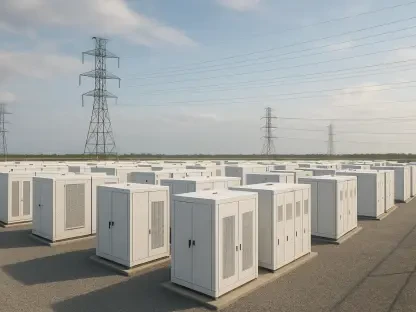
The true strength of this solar revolution lies in its synergy with battery storage technology, which addresses the persistent concerns regarding grid reliability. The vast majority of solar adopters—over 171,000 households and businesses—have paired their panels with high-capacity battery systems. This has created a massive, distributed reservoir of energy totaling 2,864 megawatt-hours. Beyond providing individual backup during outages, these batteries function as a collective asset for the entire island. By storing excess energy during the day and discharging it during peak evening hours, these systems help smooth out the intermittency of solar power, providing a level of stability that traditional fossil fuel plants often struggle to maintain during periods of high demand.
Virtual Power Plants and the Modern Grid Management
As the grid becomes more complex, the role of the operator has shifted from simple distribution to sophisticated orchestration. Under current leadership, the island has embraced the concept of Virtual Power Plants through initiatives like the Customer Battery Energy Sharing program. This innovative approach allows the utility to aggregate the power stored in thousands of private home batteries, drawing from them when shortages are forecasted. By partnering with technology leaders, the grid operator can mitigate the fluctuations that often plague high-penetration renewable systems. While some entities have expressed concerns regarding stability, the practical application of these programs has demonstrated that distributed resources can actually reinforce grid integrity rather than compromise it.
Anticipating the Next Shift in Energy Policy and Technology
Looking ahead from the current year, the evolution of the grid will likely be defined by the tension between rapid technological adoption and regulatory adaptation. As the island continues to integrate nearly 4,000 new systems a month, the need for bidirectional grid modernization will become paramount. Future trends suggest a move toward even more automated demand-response systems and the potential for neighborhood-level microgrids that can operate independently during major weather events. While political shifts may impact funding levels, the economic momentum of solar—driven by falling hardware costs and the high price of imported oil—suggests that the transition is irreversible. The region is expected to move closer to its long-term goal of 100% renewable energy, serving as a blueprint for other island nations seeking to decouple their economies from volatile global fuel markets.
Key Takeaways for an Energy-Resilient Future
The transformation of the energy sector offers several vital lessons for policymakers and consumers alike. First, the integration of storage is non-negotiable; solar panels alone cannot provide the reliability needed for modern life. Second, the success of the virtual model proves that consumer-owned assets can provide public utility benefits when managed through smart partnerships. For businesses and homeowners, the takeaway is clear: decentralized energy is the most effective hedge against infrastructure fragility. To apply these insights, stakeholders should prioritize investments in grid-ready smart technologies that allow for seamless communication between individual systems and the broader electrical network, ensuring that every rooftop contributes to the collective stability of the island.
Conclusion: A Global Model for Resilience
The reshaping of the energy grid represented a testament to the power of distributed innovation in the face of adversity. By turning nearly 200,000 rooftops into mini-power plants, the island not only improved its energy security but also created a more democratic and resilient utility model. This transition from a fossil-fuel-dependent past to a solar-powered future proved that even the most vulnerable infrastructures could be transformed through technology and community-driven action. As the region continued to lead the way in renewable integration, its journey remained a significant example of how a modern society built a sustainable, reliable, and independent energy future.