
Navigating the High-Stakes Tension Between Energy Security and Economic Efficiency
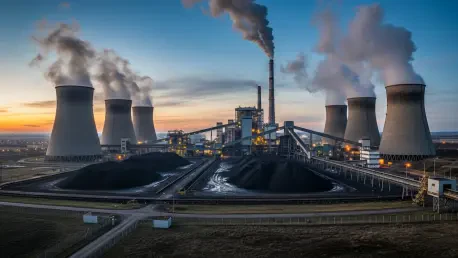
The American energy landscape is currently caught in a tug-of-war between the urgent need for a clean energy transition and the immediate requirement for a stable power grid. Recently, the United States Department of Energy (DOE) thrust this debate into the spotlight by issuing emergency orders to extend the lifespans of aging coal-fired units in Indiana that were slated for retirement. While these interventions are framed as necessary safeguards against blackouts, they raise difficult questions about the financial burden placed on taxpayers and the integrity of long-term climate goals. This article explores whether the high price of maintaining “dinosaur” infrastructure is a justifiable insurance policy for grid reliability or an expensive delay of the inevitable.
The Evolution of Emergency Power in a Changing Energy Market
Historically, the U.S. power grid relied on a steady backbone of coal and nuclear power to meet baseload demand. However, the last decade has seen a massive shift driven by the fracking boom, which made natural gas cheap, and the rapid descent of renewable energy costs. As coal plants became less competitive, utilities began scheduling their retirement in favor of cleaner alternatives. To manage the risks associated with this transition, the federal government possesses Section 202(c) of the Federal Power Act—an emergency authority designed for “wartime” or “emergency” threats to the power supply. Understanding the current controversy requires looking back at how this once-rarely used tool has become a recurring mechanism to keep uncompetitive coal plants humming in a market that is increasingly trying to move toward a different future.
The Reliability Argument and the Role of Federal Intervention
Securing the Baseload During Extreme Weather Events
The DOE’s primary justification for keeping plants like the F.B. Culley and Schahfer stations online is the preservation of stability within the Midcontinent Independent System Operator (MISO) region. Proponents of these extensions point to severe winter storms as a cautionary tale; during periods of extreme cold, renewable sources like wind and solar can see fluctuating outputs, while natural gas pipelines can face pressure issues. In these moments, coal plants provide a “firm” source of power that can be dispatched regardless of weather conditions. For federal officials, the risk of a regional blackout is a catastrophic failure that outweighs the local environmental impact of keeping a plant open for a few extra years.
The Financial Burden of Propping Up Aging Infrastructure
While the grid may be more stable with these plants online, the cost of that stability is directly hitting the wallets of American consumers. Analysis from advocacy groups indicates that these emergency mandates have added over $280 million to energy bills in a very short period. Specifically, keeping certain Northern Indiana Public Service Co. units operational costs ratepayers roughly $174,000 every single day. This creates a significant economic friction: consumers are essentially paying a premium to keep “zombie” plants alive that the market had already determined were no longer viable. Critics argue that this is not a proper emergency use of power, but rather a hidden subsidy for fossil fuels.
Questioning the Necessity and Efficiency of Mandated Units
A deeper dive into operational data reveals a secondary controversy regarding whether these plants are actually providing the security the DOE claims. Some reports suggest that specific units were either non-functional or not utilized during the very storms cited as the reason for their extension. This raises the possibility of a “reliability theater,” where the government mandates the operation of plants that add more to the bill than they do to the actual capacity of the grid. Furthermore, different regions handle these costs differently; while some utilities promise no immediate bill increases, they often seek cost recovery later, meaning the financial blow to the public is merely delayed.
Emerging Trends and the Future of Dispatchable Power
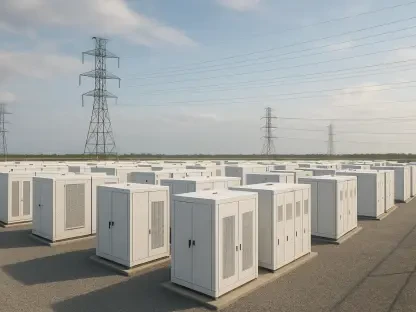
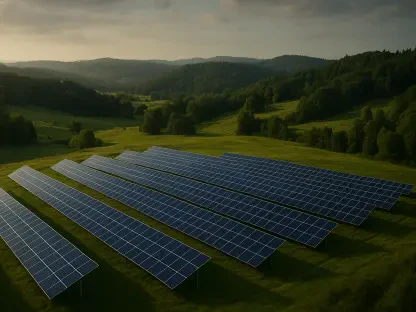
The future of the American grid likely lies in finding a middle ground between old-school coal and intermittent renewables. Innovations in long-duration battery storage, small modular nuclear reactors, and enhanced geothermal energy are all aiming to provide the “dispatchable” power that coal currently offers without the associated carbon footprint. Regulators are also looking at “virtual power plants”—networks of home batteries and smart appliances—to balance the grid during peak demand. As these technologies mature, the “emergency” need for coal will likely diminish, but until the infrastructure for storage catches up to the pace of renewable installation, the market may see frequent use of federal intervention to keep the lights on.
Strategies for Balancing Costs and Grid Stability
For policymakers and utilities, the path forward requires a more transparent framework for assessing when a plant is truly “essential.” One recommendation is the implementation of more rigorous, independent audits of plant performance during weather emergencies before granting extensions. Additionally, utilities should be encouraged to accelerate investments in regional transmission lines, which allow power to be moved from areas of surplus to areas of need, reducing the reliance on any single aging plant. For consumers, staying informed about cost recovery filings in state utility commissions is vital, as these are the venues where the long-term price of these federal emergency orders was ultimately decided.
Reevaluating the True Worth of Coal Extensions
The debate over Indiana’s coal plants served as a microcosm of the global energy transition. While grid reliability remained an absolute necessity for modern life, the escalating costs of maintaining obsolete coal units suggested that the strategy reached its breaking point. Relying on emergency powers to bypass market forces provided a short-term safety net, but it did so at a massive financial cost to the public. As the industry moved forward, the focus shifted from simply saving old plants to rapidly building the resilient, modern infrastructure that made these expensive emergency interventions unnecessary. The ultimate goal became a grid that was not just reliable, but also affordable and sustainable for the long haul.