
The delicate equilibrium maintaining New York’s power grid has reached a critical juncture where the available surplus of electricity during peak usage hours has dwindled to its most precarious state in modern history. Recent data from the New York Independent System Operator highlights a dramatic tightening of the gap between total power generation and the projected consumption levels required by the state’s millions of residents. While the projected peak demand is currently estimated at 31,578 megawatts, the actual safety buffer remaining after mandatory reserves are accounted for sits at a mere 417 megawatts. This represents a staggering eighty percent decline in the reliability margin since 2022, signaling a system that is operating with almost no room for technical error or unexpected plant failures. The convergence of aging infrastructure, the decommissioning of older fossil-fuel generators, and a lag in the deployment of reliable new energy sources has created a situation that demands immediate strategic intervention.
Immediate Constraints: The Dwindling Margin of Operational Reliability
The Critical Disconnect: Supply Shortages and Aging Infrastructure
The rapid decline in reliability margins is largely attributed to a fundamental mismatch between the retirement of traditional power plants and the activation of new, dispatchable energy resources. As the state moves toward more aggressive environmental mandates, older facilities are being removed from the grid faster than the replacement infrastructure can be integrated and tested for high-load scenarios. This transition has left the grid in a vulnerable state where the total available capacity barely matches the peaks of consumer demand during high-activity periods. Without the historical buffer of several thousand megawatts, any localized equipment failure or unforeseen maintenance requirement could theoretically trigger a cascade of instability across the regional network. Engineers and system operators are now forced to manage the grid with extreme precision, utilizing every available asset to prevent frequency fluctuations that could lead to widespread service interruptions or localized brownouts in high-density urban areas.
The situation is further complicated by the fact that many of the remaining dispatchable assets are operating beyond their intended lifecycles, requiring more frequent maintenance and increasing the risk of sudden outages. These legacy systems were not designed to interface seamlessly with the intermittent nature of modern renewable sources, creating a technical friction that complicates daily load balancing. Furthermore, the development of new energy projects has faced significant hurdles, ranging from supply chain delays to complex permitting processes that have slowed the delivery of much-needed capacity. To bridge this gap, state officials have had to rely on temporary operational actions, such as purchasing expensive power from neighboring regions or implementing demand-response programs that ask industrial users to curtail their energy use. However, these measures are increasingly seen as temporary fixes for a structural deficit that requires a more robust and permanent generation solution to ensure long-term energy security.
Weather Extremes: Managing Vulnerabilities During Temperature Spikes
Environmental factors remain the most immediate threat to the stability of the electrical system, particularly during the humid summer months when air conditioning usage spikes across the state. In the event of a sustained heat wave where temperatures exceed 95 degrees for multiple consecutive days, the New York Independent System Operator forecasts a significant capacity deficit that would exceed current reserve levels. Under such extreme conditions, the physical stress on transmission lines and transformers increases, leading to a higher probability of equipment failure exactly when the system is under maximum load. The narrow 417-megawatt buffer would be quickly exhausted in these scenarios, potentially forcing grid operators to move beyond standard conservation requests and into emergency protocols. This precariousness highlights the “inflection point” where the current pace of the energy transition intersects with the immediate physical reality of keeping the lights on for a massive population.
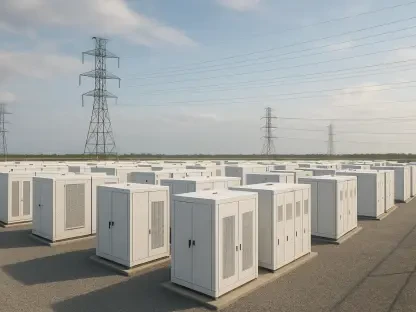
To mitigate these risks, the state has initiated a reevaluation of the timelines associated with landmark climate legislation to avoid a total reliability collapse during peak demand periods. This strategic shift involved analyzing the feasibility of maintaining existing generators for longer periods while simultaneously accelerating the integration of large-scale battery storage and other dispatchable carbon-neutral technologies. The objective was to create a more resilient energy portfolio that could withstand the volatility of extreme weather events without compromising the long-term goal of total decarbonization. Stakeholders focused on developing a more flexible grid architecture that prioritized reliability as the foundational requirement for all future expansions. By investing in localized microgrids and enhancing the inter-regional transmission capacity, the state sought to build a more robust defense against the unpredictable nature of climate change, ensuring that the electrical infrastructure remained capable of supporting the projected demand growth.