
The rapid transformation of the electric vehicle from a simple transportation tool into a critical component of the national power grid is fundamentally altering how we perceive energy consumption and infrastructure stability. This transition represents a shift in the hierarchy of power usage, where the vehicle is no longer a “dumb” load but a programmable asset capable of communicating with utility providers to ensure grid reliability. By 2026, the integration of software-driven energy management has proven that the strain on local distribution networks can be mitigated through intelligent coordination. The purpose of this review is to evaluate the technical efficacy and market impact of managed charging systems, determining whether they offer a viable path toward a fully decentralized energy future.
Introduction to Managed Charging Technology
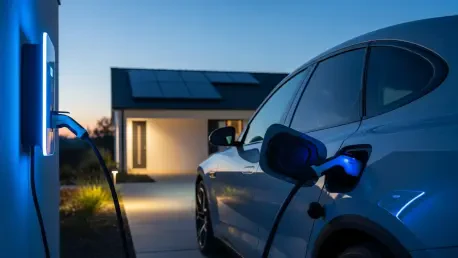
Managed EV charging, frequently referred to in the industry as “smart charging,” acts as a sophisticated gateway that allows the timing and rate of electricity delivery to be adjusted based on real-time grid conditions. This technology emerged as a necessary intervention to prevent the localized “brownouts” that many predicted would accompany the mass adoption of electric vehicles. Instead of a vehicle drawing maximum power the moment it is plugged in, managed systems utilize software to determine the most efficient window for energy transfer. This ensures that the surge in demand during early evening hours does not overwhelm existing transformers and substations.
The core logic of this system relies on a seamless data exchange between the utility provider, the vehicle manufacturer, and the charging hardware. By treating the EV as a flexible load, utilities can treat a fleet of parked cars like a massive, distributed battery. This paradigm shift positions managed charging not just as a convenience for the driver, but as a cornerstone of the modern smart grid. It moves the conversation away from “adding more wires” toward “using existing wires more effectively,” which is a far more cost-effective approach to grid modernization.
Core Components and Technical Features
Vehicle-to-Grid Communication and Telematics
A primary differentiator in modern managed charging is the reliance on vehicle telematics rather than secondary, on-wall hardware. Companies like ChargeScape have pioneered the “connective tissue” that allows utilities to speak directly to the vehicle’s onboard computer. This cloud-to-cloud communication eliminates the need for consumers to purchase expensive, specialized chargers to participate in demand-response programs. By leveraging the car’s native connectivity, the system can throttle charging speeds or delay sessions based on signals sent by the grid operator. This technical approach lowers the barrier to entry, making grid participation an accessible feature for anyone with a standard home setup.
Automated Load Shifting and Scheduling
The true performance metric for managed charging is its ability to redirect energy usage to off-peak periods, typically late at night when wind production is high and industrial demand is low. In high-stakes environments like the Texas energy market, partnerships between providers like TXU Energy and automakers like Ford have demonstrated remarkable precision. These systems utilize automated scheduling to align charging windows with times of low grid congestion. In practice, this automation has successfully shifted over 90% of energy consumption to off-peak hours, demonstrating that software can effectively manage consumer behavior without requiring active manual input from the user.
Recent Innovations and Industry Shifts
The industry is currently moving beyond simple time-of-use schedules and toward more dynamic, real-time demand response models. Modern innovations include the integration of battery-integrated retail plans, which allow homeowners to store energy when it is cheapest and use it to charge their vehicles or power their homes during peak spikes. Furthermore, we are seeing a shift toward “all-in-one” residential ecosystems where solar arrays, home batteries, and EVs are managed by a single intelligent platform. This holistic approach transforms the EV from a passive energy sink into a strategic asset for retail electric providers.
Another significant shift involves the aggressive use of financial incentives to ensure high participation rates. Rather than just offering lower rates, utilities are now providing upfront enrollment bonuses and recurring annual credits. These incentives are not merely “gifts” but are calculated investments by the utilities. By securing the ability to manage an EV’s load, the utility avoids the massive capital expenditures required to upgrade physical infrastructure. This economic alignment between the provider and the customer is what finally turned managed charging from a niche experiment into a mainstream reality.
Real-World Applications and Sector Deployment
Texas has become the premier proving ground for managed charging due to the unique structure of the Electric Reliability Council of Texas (ERCOT). In this competitive landscape, retail electric providers use these programs to attract high-value, high-load customers. These consumers often utilize other high-demand appliances, such as heat pumps, making them the most important demographic for a utility’s growth. Beyond residential use, fleet management has become a major sector for deployment. Commercial operators are using managed charging to lower operational costs across hundreds of delivery vehicles, ensuring that their logistics chains do not create unmanageable spikes in power costs.
Even in more traditional, regulated markets like Washington, the technology is finding a foothold through “hybrid” utility models. Studies in these regions have shown that active managed charging can save utilities hundreds of dollars per vehicle annually by avoiding the purchase of expensive wholesale power during peak demand. These savings are then passed back to the consumer, creating a virtuous cycle of adoption. Whether in competitive or regulated markets, the primary application remains the same: stabilizing the grid while rewarding the consumer for their flexibility.
Technical Challenges and Market Obstacles
Despite the clear technical successes, several hurdles remain, particularly regarding the fragmentation of regulatory environments. While competitive markets foster rapid innovation, many regions still operate under legacy structures that do not provide clear financial incentives for utilities to reduce peak demand. Furthermore, the lack of standardized communication protocols across all vehicle brands remains a technical bottleneck. If a utility has to build a different software bridge for every single automaker, the complexity and cost of these programs will eventually hit a ceiling.
Consumer psychology also presents a persistent challenge. There is a deep-seated “range anxiety” that makes some drivers hesitant to hand over control of their charging sessions to a third party. To maintain high participation, programs must offer ironclad guarantees that a vehicle will be fully charged by a specific time, regardless of grid events. If a user finds their car uncharged before a morning commute even once, the likelihood of them opting out of the program increases significantly. Maintaining trust through transparent software interfaces and reliable performance is essential for long-term scalability.
Future Outlook and Bidirectional Integration
The trajectory of managed charging is clearly heading toward bidirectional technology, which encompasses Vehicle-to-Grid (V2G) and Vehicle-to-Home (V2H) systems. This development allows an electric vehicle to act as a mobile power plant, sending energy back into the home during a blackout or selling it back to the grid during periods of extreme scarcity. As this technology matures, the millions of batteries sitting in driveways will represent the largest distributed energy storage resource in the world. This will be vital for managing the intermittency of renewable sources like wind and solar, providing the necessary “buffer” to keep the grid stable.
Looking forward, the concept of the Virtual Power Plant (VPP) will become the standard. In this scenario, thousands of EVs are aggregated by software to act as a single, massive power source that can be dispatched by grid operators in seconds. This level of responsiveness is something traditional gas-fired “peaker” plants cannot match. As bidirectional charging becomes a standard feature on all new EV models, the relationship between the car, the home, and the utility will become fully integrated, creating a resilient and self-healing energy ecosystem.
Summary of Findings and Assessment
Managed EV charging established itself as a critical instrument for maintaining grid integrity during the early stages of the energy transition. The analysis of recent programs showed that consumers were highly responsive to financial incentives, provided the technology remained automated and unobtrusive. The collaboration between automakers and utilities successfully demonstrated that the vast majority of vehicle charging could be shifted to off-peak hours without sacrificing user convenience. These initiatives proved that software-based load management was far more efficient than traditional infrastructure expansion, providing a blueprint for how other high-load appliances might be managed in the future.
The verdict on managed charging was that it functioned as a necessary bridge toward a more resilient energy landscape. By turning a potential liability into a strategic asset, the technology mitigated the primary risks associated with vehicle electrification. While regulatory hurdles and communication standards required further refinement, the core technical framework proved robust. The integration of these systems did more than just save money; it fundamentally reinforced the reliability of the power grid. Ultimately, managed charging transitioned from an optional service into a foundational pillar of the modern energy economy, ensuring that the growth of electric mobility remained sustainable for the long term.