
The financial burden of maintaining basic home comfort has reached a critical boiling point as state regulators across the nation begin to challenge the historical dominance of utility companies and their aggressive capital expenditure programs. This shift signifies a broader movement to rebalance the relationship between corporate infrastructure goals and the economic reality facing the average household. As households grapple with the compounding effects of price hikes, policymakers have identified a pressing need to intervene in how energy costs are calculated and passed down to the consumer. This tension is particularly visible in the Mid-Atlantic region, where legislative bodies are now setting a precedent for affordability.
The Changing Landscape of the American Utility Sector
A Nationwide Surge in Energy Expenses: Examining the Trend
Investor-owned utilities are currently navigating a massive $1.4 trillion capital expenditure trend, a figure that has risen sharply as aging grids require modernization. While these investments are technically designed to improve reliability, they often place an immediate and severe strain on household stability. Nationally, energy expenses have surged in recent years, forcing many residents to choose between utility payments and other essential needs. This trend has created a sense of urgency for states to scrutinize whether every dollar spent on infrastructure actually benefits the end-user.
Moreover, the sheer scale of these corporate expenditures often outpaces the growth of median household income, leading to a gap in affordability that is becoming unsustainable. Industry analysts suggest that the traditional model of allowing utilities to recover nearly all costs through rate hikes is reaching its limit. The pressure is mounting on utility boards to justify every project, especially when the resulting bill increases threaten to trigger wider economic instability.
The Shift Toward Regulatory Pushback: Prioritizing Consumer Affordability
In response to these rising costs, there is a distinct shift toward regulatory pushback where consumer protection is no longer secondary to corporate growth. Regulators are increasingly skeptical of massive projects that promise long-term benefits while imposing immediate rate hikes. The emphasis is moving toward cost-containment strategies that demand more transparency from utilities regarding their internal spending and long-term planning. This new era of oversight seeks to ensure that the drive for technological advancement does not leave vulnerable populations behind.
Furthermore, state policymakers are re-examining the incentives that have traditionally encouraged utilities to spend more on physical infrastructure. By shifting the focus toward operational efficiency and consumer outcomes, regulators are creating a more balanced environment. This transition represents a fundamental change in the social contract between the public and the companies that provide essential services, with a renewed focus on equity and financial predictability.
Maryland’s Strategic Positioning: Proactive Stance in Energy Oversight
Maryland has taken a strategic lead by addressing the sharp increase in utility bills observed in the years leading up to 2026. By implementing a proactive legislative package, the state aims to curb the volatility that has characterized the local energy market. This movement acknowledges that while maintaining a modern grid is vital, the pace of expenditure must align with the financial capacity of the residents. Maryland’s approach serves as a defensive wall against the unchecked expansion of utility rates that has plagued neighboring regions.
The state has successfully positioned itself as a laboratory for regulatory reform, testing new methods to stabilize prices while still encouraging essential grid maintenance. By focusing on legislative intervention, Maryland is sending a clear signal to utility companies that the days of guaranteed, high-margin returns on every capital project are coming to an end. This proactive stance is designed to protect the economic health of the state by keeping energy costs predictable and manageable.
The Interplay of Green Goals and Economic Reality: Balancing Transitions
The interplay between aggressive green goals and economic reality remains one of the most complex challenges for modern governance. Transitioning to renewable energy is a non-negotiable objective, yet the immediate financial burden of this transition can be prohibitive. Maryland is navigating this by seeking a middle ground that maintains progress toward sustainability without causing a financial shock to its citizens. This balance requires a nuanced approach to emission targets and infrastructure mandates that prioritizes the most cost-effective path toward a cleaner energy future.
However, the reality of transitioning a legacy energy system is that it requires significant capital. The challenge for policymakers is to find ways to fund these necessary improvements without relying solely on the wallets of residential ratepayers. By exploring alternative funding models and stretching the timelines for certain non-essential mandates, the state is attempting to ensure that the path to a greener future is also a path that residents can afford to travel.
Emerging Market Trends and Performance Projections
Evolving Consumer Protections and Cost-Containment Strategies
A major trend currently reshaping the industry is the deliberate decoupling of utility profits from unchecked capital spending. Historically, the more a utility spent on infrastructure, the more profit it could legally generate. New regulatory frameworks are beginning to break this link, instead rewarding utilities for meeting performance metrics related to service quality and affordability. This shift encourages companies to find innovative, lower-cost solutions rather than always opting for the most expensive construction projects.
Additionally, the rise of large load management is forcing a restructuring of how different customer classes share the burden of energy costs. The increasing demand from high-energy industries, such as data centers, requires massive grid upgrades that should not be subsidized by residential customers. New strategies are being developed to ensure that these large industrial users pay their fair share of the infrastructure they require, thereby shielding households from unfair price spikes.
Economic Forecasts and Regional Energy Projections: Anticipated Savings
Economic forecasts for the region suggest that the recent legislative changes will lead to a tangible reduction in household expenses. Analysts project an annual reduction of approximately $150 for residential electric and gas bills as the new cost-containment measures take full effect. These savings are expected to provide much-needed relief to families and stimulate local spending, as more disposable income remains in the pockets of consumers rather than being diverted to utility giants.
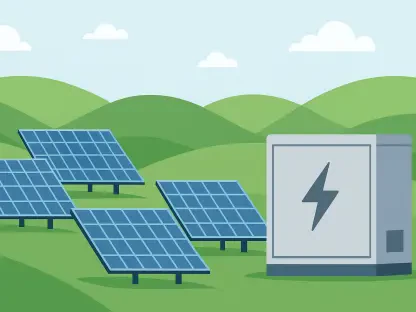
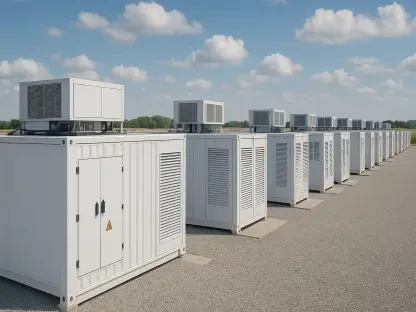
Looking toward the end of the decade, the net metering market is poised for significant expansion following the decision to double capacity to 6 GW. This growth is expected to drive down the cost of solar technology and increase the number of households capable of generating their own power. Furthermore, state-funded auctions are becoming a major driver in the battery storage market, accelerating the adoption of utility-scale storage which will stabilize the grid and lower peak demand costs.
Navigating Structural and Financial Obstacles
The Conflict Between Climate Targets and Affordability: Adjusting Emission Targets
Addressing the conflict between climate targets and affordability has required difficult legislative choices, such as the recent adjustment of emission reduction targets. By lowering the annual reduction requirement to 1.75%, the state has allowed for a more gradual and less expensive transition. This adjustment is not a retreat from environmental goals but rather a tactical recalibration to ensure that the cost of compliance does not overwhelm the very people the policies are meant to protect.
This decision reflects a growing realization that sustainability and affordability must be pursued in tandem. When climate policies lead to excessive costs, they often lose public support, which can stall progress in the long run. By making the targets more realistic for the current economic climate, the state is building a more resilient and politically stable framework for long-term environmental success.
Controlling Executive and Administrative Overhead: Managing Recoverable Costs
A critical component of the current regulatory shift involves strict limits on what utilities can claim as recoverable expenses. In the past, administrative overhead and executive compensation were often passed directly to the consumer with little scrutiny. New regulations now impose hard caps on supervisor salaries relative to public officials and restrict the use of ratepayer funds for non-essential activities like office renovations and corporate entertainment.
These measures ensure that every dollar collected from consumers is used primarily for the safe and efficient distribution of energy. By trimming the fat from utility budgets, regulators are forcing these companies to operate more like competitive businesses. This focus on administrative efficiency is a key pillar of the strategy to keep rates stable while maintaining high service standards across the state.
The New Regulatory Framework Under the RELIEF Act
Eliminating Guaranteed Utility Bonuses: Legislative Mandates
The new regulatory framework has taken a firm stand against the practice of awarding guaranteed bonuses for basic utility functions. By mandating participation in regional transmission organizations like the PJM Interconnection, the state has removed the justification for return-on-equity bonuses that were previously considered voluntary incentives. This change ensures that utilities are not being extra-compensated for simply doing what is necessary for grid stability.
Furthermore, these mandates create a more transparent environment where utility performance is measured against objective regional standards. The removal of these bonuses is a direct way to lower the overall cost of energy distribution without compromising the technical integrity of the grid. It represents a move away from the culture of entitlement that has historically characterized the relationship between utilities and the state.
Restructuring Multi-Year Rate Plans: Limitations on True-Ups
Multi-year rate plans are also undergoing a significant transformation to prevent utilities from shifting financial risks onto the public. New limitations prevent the Public Service Commission from allowing utilities to “true up” costs, which in the past allowed companies to collect additional fees if their actual spending exceeded their initial projections. These changes force utilities to be more accurate in their budgeting and more disciplined in their execution of capital projects.
By capping these adjustments, the regulatory framework provides more predictability for consumers and business owners alike. It shifts the burden of financial planning back onto the utility corporations, where it belongs. This restructuring is essential for creating a stable economic environment where participants can plan their own finances without the fear of unexpected utility surcharges.
The Future of Energy Distribution and Innovation
A New Era for Community and Residential Solar: Grid Decentralization
The landscape of energy distribution is moving rapidly toward a decentralized model where residential and community solar play a central role. The authorization of 1,200W portable solar systems allows more residents to participate in energy generation without the need for complex installations or high upfront costs. This democratization of power production is expected to reduce the overall demand on the central grid and lower costs for everyone by decreasing the need for massive new power plants.
As these small-scale systems become more common, the role of the traditional utility will likely evolve from being the sole provider of energy to being the manager of a complex, multi-directional grid. This shift toward decentralization is a key part of the strategy to create a more resilient and affordable energy system. It empowers individuals to take control of their own energy needs while contributing to the stability of the wider community.
Modernizing the Grid through Utility-Scale Auctions: Strategic Investments
To ensure that the transition to renewable energy remains on track, the state is utilizing utility-scale auctions to drive strategic investments. These auctions are designed to secure large-scale renewable energy and battery storage capacity at the lowest possible cost to the taxpayer. By fostering competition among developers, the state can accelerate the modernization of the grid while ensuring that the projects chosen are both technologically viable and financially sound.
These investments are critical for managing the intermittency of renewable energy sources like wind and solar. Battery storage, in particular, will allow the state to store excess energy produced during the day for use during peak evening hours. This capability is essential for reducing the reliance on expensive peak-power plants and for maintaining a stable, reliable grid as the energy mix continues to change.
In conclusion, the passage of the RELIEF Act established a fundamental shift in Maryland’s approach to energy governance by prioritizing the financial security of residents over the unchecked growth of utility infrastructure. The legislative measures effectively decoupled corporate profit from excessive capital spending, providing a necessary correction to years of rising costs. State regulators successfully implemented caps on executive overhead and restructured rate plans to ensure greater transparency and accountability. By balancing immediate price relief with long-term investments in decentralized solar and battery storage, the state created a more sustainable economic model for the utility sector. These actions served as a clear signal that the future of energy in the region would be defined by a more equitable partnership between the public and the companies that serve them. Maryland’s proactive regulatory framework eventually provided a viable blueprint for other states seeking to navigate the complex intersection of climate goals and consumer affordability. Over time, these reforms proved that a modern, green grid could be achieved without sacrificing the economic stability of the average household.