
The integration of renewable energy infrastructure into local landscapes has evolved beyond a mere environmental necessity into a sophisticated tool for redressing historic socioeconomic disparities. In the current landscape of 2026, the Rose Valley wind project stands as a definitive blueprint for how industrial advancement can coexist with social justice through the lens of economic reconciliation. By prioritizing direct equity for Indigenous communities, the project moves past the traditional model of passive compensation into a framework of active partnership and shared governance. This paradigm shift ensures that the financial benefits of the energy transition are not concentrated in urban corporate hubs but are instead distributed to the traditional stewards of the land. The initiative represents a significant departure from historical resource extraction patterns that often left local populations with environmental burdens and minimal fiscal gains. As wind turbines populate the horizon, they signal an era where technology and tradition converge to build a more equitable fiscal foundation.
Transforming Resource Management: The Role of Indigenous Equity
The structure of the Rose Valley wind initiative is fundamentally rooted in a joint-venture model that grants surrounding Indigenous nations a substantial ownership stake in the power generation assets. This approach provides a stable, long-term revenue stream that bypasses the volatility of grant-based funding and empowers communities to invest in their own infrastructure, healthcare, and education systems. Unlike previous energy projects that relied on one-time settlements, this model facilitates ongoing wealth generation that scales with the operational success of the wind farm. By having a seat at the executive table, community leaders are able to influence operational decisions, ensuring that environmental protection protocols align with traditional ecological knowledge. This level of involvement is critical for fostering trust between private developers and local stakeholders, creating a stable investment environment. The resulting financial autonomy allows these nations to pursue self-determined development goals without external interference.
Furthermore, the project serves as a catalyst for local workforce development by establishing specialized training programs tailored for the maintenance and management of high-tech wind turbines. These educational pathways ensure that the high-paying jobs created by the facility remain within the community rather than being outsourced to transient laborers from distant regions. By developing a skilled local labor pool, the project effectively reduces regional unemployment and provides young professionals with a reason to remain in their ancestral territories. The curriculum for these programs often blends modern technical engineering with cultural awareness, creating a unique professional environment that respects the identity of the workforce. This strategy not only fills the immediate labor needs of the facility but also builds a broader technical capacity that can be applied to other green energy ventures across the country. Consequently, the economic benefits extend far beyond the direct wages paid, as increased local spending stimulates a secondary market.
Scaling Sustainable Growth: Long-Term Impacts on Regional Stability
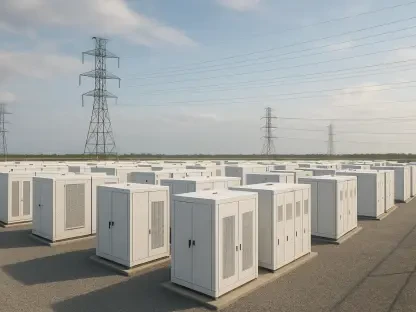
Expanding on the internal economic benefits, the Rose Valley project is designed to integrate seamlessly into the provincial grid, enhancing regional energy security while reducing carbon emissions. The reliability of wind power in this specific geographic corridor makes it an attractive asset for larger utilities looking to diversify their energy portfolios with sustainable sources. This integration provides a platform for the Indigenous partners to negotiate favorable power purchase agreements, which further stabilizes the financial projections for the next two decades. The project also incorporates advanced battery storage solutions, allowing the facility to provide consistent power even during periods of low wind activity. This technological edge makes the Rose Valley site a critical node in the regional energy network, elevating the status of the local partners from mere landowners to essential energy providers. The strategic importance of this infrastructure ensures that the economic reconciliation achieved here is resilient to market fluctuations.
To ensure the continued success of this model, stakeholders implemented a rigorous oversight framework that prioritized transparent financial reporting and community-led audits. They established a clear roadmap for reinvesting wind farm profits into diversified green technologies, which reduced the long-term reliance on a single energy source. Future projects in the region looked to the Rose Valley experience as a template for navigating complex regulatory landscapes while maintaining high standards of social responsibility. Governments moved to streamline the permitting process for similar joint-venture models, recognizing that economic reconciliation accelerated the overall pace of the energy transition. Regional planners also emphasized the need for a collaborative grid expansion strategy that accounted for the decentralized nature of these community-owned assets. By formalizing these partnerships, the industry moved away from transactional agreements toward deeply integrated economic ecosystems. This evolution proved that social equity and industrial profitability were not mutually exclusive.