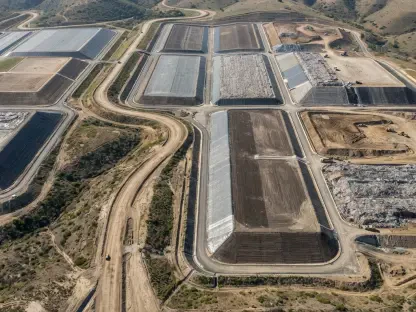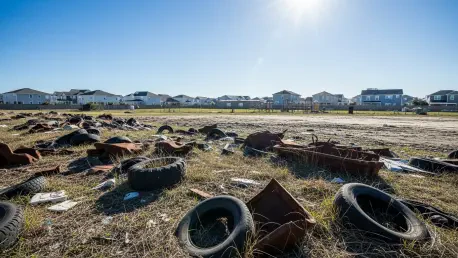

A sprawling network of hundreds of abandoned landfills across North Carolina remains largely unexamined and potentially hazardous, according to a recent state audit that highlights significant administrative delays. The exhaustive 111-page report, released by State Auditor Dave Boliek, reveals that the Pre-Regulatory Landfill Program has struggled to fulfill its core mission of mitigating environmental risks from sites operating before 1983. Managed by the North Carolina Department of Environmental Quality, the initiative was established to address legacy waste but has instead become a symbol of stagnation and missed benchmarks. For nearly two decades, millions of taxpayer dollars have been funneled into this program with surprisingly little to show in terms of actual remediation or safety verification. The audit paints a picture of a department overwhelmed by the sheer volume of sites and hampered by inefficient internal processes that have left local communities in the dark about the soil and water quality in their own backyards.
Critical Oversight Gaps and Public Health Risks
A Statewide Inventory Left in Limbo
The most alarming revelation in the auditor’s findings is the massive scale of the backlog regarding site investigations and environmental characterization across the state. Out of the 688 identified pre-regulatory landfill locations currently cataloged, a staggering 534 sites have never undergone a formal investigation to determine what specific toxins might be present. This means that roughly 78% of the known inventory exists in a state of perpetual limbo, where the potential for subsurface contamination remains entirely unmapped. Without these essential studies, the state is effectively operating blindly, unable to assess whether the waste deposited decades ago is stable or actively migrating into the environment. This lack of data prevents the Department of Environmental Quality from providing accurate information to local governments or residents who may be living near these legacy sites, creating a climate of uncertainty regarding long-term ecological health.
Adding a layer of urgency to this administrative backlog is the physical proximity of these unmonitored sites to sensitive human populations and natural resources. The audit calculates that approximately 84% of these landfills are situated within 1,000 feet of critical areas, including residential subdivisions, public schools, and private drinking water wells. This close proximity increases the likelihood of human exposure to harmful substances through vapor intrusion or groundwater contamination. In many cases, families have purchased homes or enrolled children in daycare facilities unaware that the land beneath or adjacent to these properties was once used for unregulated waste disposal. The failure to conduct even preliminary assessments on the majority of these sites represents a significant gap in the state’s duty to protect public health. The lack of progress is particularly concerning in rapidly growing regions where development is occurring near these forgotten hazardous waste zones.
Immediate Dangers from Hidden Contaminants
When the state does manage to conduct inspections, the results frequently confirm that these forgotten landfills pose severe and immediate threats to public safety. The audit notes that among the small percentage of sites that have been thoroughly investigated, 23 out of 97 locations exhibited methane gas levels that exceeded explosive limits. This creates a volatile situation where accidental ignition or pressure buildup could lead to fires or detonations, particularly if the gas migrates toward enclosed structures or utility lines. Methane is a colorless, odorless byproduct of decomposing organic matter, and without active monitoring systems, its presence often goes undetected until a crisis occurs. These findings suggest that the uninvestigated sites likely harbor similar risks, yet because they have not been checked, they remain ticking time bombs in communities that may be unaware of the danger. The potential for sudden property damage or personal injury from these gas pockets is a major concern.
Beyond the immediate threat of gas explosions, these sites act as sources for a wide variety of persistent environmental pollutants that can leach into the surrounding soil. Historical disposal practices often included the dumping of medical waste, heavy metals like lead and mercury, and volatile organic compounds such as industrial solvents or cleaning agents. Because these landfills were established before the implementation of modern liner systems and leachate collection technology, there is nothing to prevent these toxins from moving into the groundwater table. The audit emphasizes that the lack of routine monitoring means the state cannot track the plume of contamination as it migrates away from the source site. This increases the risk of chronic health conditions for residents who rely on private wells for their drinking water supply. The potential for long-term bioaccumulation of these substances in the local food chain further complicates the ecological impact of these unmanaged legacy landfills.
Spotlighting High-Priority Hazards and Regional Impact
The Crisis at the Buxton Dump
A particularly striking example of the program’s struggles is found at the Buxton Dump in Dare County, a site that currently ranks 11th on the state’s official priority list. This location is not an isolated wilderness area; rather, it currently serves as the Cape Woods Resort travel trailer park and is situated dangerously close to school soccer fields and teacher housing. A 2025 investigation revealed that the protective soil cap meant to isolate the waste from the surface has become perilously thin due to erosion and neglect. This degradation of the physical barrier increases the chances of direct contact with hazardous materials by residents and visitors. The fact that high-priority sites like Buxton remain in such a precarious state underscores the audit’s claims regarding the Department of Environmental Quality’s inability to manage its most critical assets. The proximity to high-traffic public areas and residential housing makes this specific site a focal point for local anxiety regarding the efficacy of state environmental oversight.
Scientific testing at the Buxton site has produced results that should have triggered immediate and comprehensive remediation efforts from the state authorities. Field tests conducted during the 2025 assessment detected volatile organic compounds at levels reaching 350.4 parts per million, which is significantly higher than established safety thresholds. However, investigators faced a major obstacle: the presence of existing buildings and underground utility infrastructure prevented them from conducting the deep-core drilling needed to define the full extent of the contamination. This means that while high levels of toxins have been identified, the state still does not know the total volume or depth of the waste buried at the site. This lack of comprehensive data makes it nearly impossible to design an effective cleanup strategy that ensures the safety of the resort guests and the surrounding educational facilities. The Buxton case serves as a warning of how physical development on top of legacy sites can complicate or even paralyze necessary environmental interventions.
Distribution of Legacy Waste Across Coastal Counties
The environmental threat posed by these pre-regulatory landfills is not confined to a single locality but is a widespread regional issue affecting various coastal counties. Dare County alone is home to six high-ranking sites that require urgent attention, reflecting the historical challenges of waste management in sensitive coastal ecosystems. Similarly, Hyde County hosts another six significant dumps, including those located in the communities of Ocracoke and Swan Quarter. These areas are known for their fragile water tables and high groundwater levels, which can accelerate the spread of pollutants from unlined landfills. The ranking system used by the state confirms that these locations represent some of the most significant legacy waste challenges in North Carolina. The concentration of these hazards in regions that are economically dependent on tourism and fishing highlights the potential for broader economic damage if the contamination is not addressed promptly. The regional nature of the problem suggests a need for localized solutions.
Other neighboring areas, including Tyrrell and Currituck counties, also harbor significant landfill sites that are located near residential neighborhoods and popular recreational zones. These sites often contain a mix of municipal and industrial waste that has been left to decompose for over forty years without any oversight or containment measures. In Currituck, the growth of new housing developments has pushed residential boundaries closer to these old dump sites, increasing the risk of accidental exposure during construction or landscaping activities. The audit highlights that the distribution of these sites follows historical development patterns, often placing hazardous waste in areas that are now considered prime real estate. This geographic reality creates a complex puzzle for state officials who must balance the need for environmental protection with the rights and interests of local property owners. The widespread nature of these sites across the coastal plain necessitates a more robust and better-funded response than the program has historically provided to its stakeholders.
Overcoming Structural and Financial Barriers
The Billion-Dollar Cleanup Challenge
One of the most sobering aspects of the audit is the sheer financial scale of the work required to resolve the state’s legacy landfill issues. According to the report’s projections, the average cost to fully remediate a single site has climbed to approximately $1.9 million, driven by rising labor costs and the complexity of modern environmental engineering. When this figure is applied to the total inventory of over 600 sites, the estimated cost to clear the backlog reaches a staggering $1.2 billion. This financial reality stands in stark contrast to the current funding levels allocated to the Pre-Regulatory Landfill Program. The audit points out that the program is not only underfunded for its long-term goals but is also facing immediate budgetary pressure. In the current fiscal cycle, the program’s annual expenditures have already started to outpace its dedicated revenue streams, leading to a rapidly declining fund balance. Without a significant infusion of new capital, the state will remain incapable of fulfilling its statutory obligations to clean up these hazardous locations.
In addition to the financial shortfall, the audit highlights the impracticality of the program’s current operational timeline, which would span nearly a century. At the current rate of progress, auditors estimate it would take 99 years to complete the remediation of the existing statewide inventory of landfills. This timeline is clearly unacceptable for addressing sites that pose immediate methane risks or are actively leaching toxins into groundwater supplies. A century-long plan essentially means that multiple generations of North Carolinians will continue to live with the environmental shadows of the past. The report suggests that the program’s existing structure is not designed for the speed or efficiency required to manage a crisis of this magnitude. Furthermore, as the years go by, the cost of remediation is likely to increase due to inflation and the further migration of contaminants, making the problem even more expensive to fix in the future. The disconnect between the program’s slow pace and the urgency of the environmental risks illustrates a fundamental systemic failure.
Legal Hurdles and Property Access Issues
Beyond the obvious financial and administrative barriers, the state faces significant legal challenges when attempting to address landfills located on private property. Many of the highest-priority sites are no longer owned by the entities that originally operated them; instead, they belong to private citizens, developers, or homeowner associations. These property owners frequently refuse to grant state officials or environmental contractors access to their land for testing, monitoring, or remediation work. Their reluctance often stems from fears about property value devaluation, potential liability, or the disruption caused by heavy equipment. Without voluntary consent, the Department of Environmental Quality has very limited power to enter these sites, even when there is clear evidence of methane gas accumulation or groundwater contamination. This legal stalemate creates a situation where the most dangerous sites remain the most difficult to address, as the state is essentially locked out of the properties that require the most urgent intervention to protect the surrounding public.
The audit notes that the current statutory framework does not provide the state with sufficient authority to overcome these access issues in a timely manner. While some legal avenues exist, they are often slow, cumbersome, and subject to prolonged litigation that further delays environmental protection efforts. This lack of legislative muscle means that the Pre-Regulatory Landfill Program is often forced to skip high-priority sites in favor of lower-risk locations where property owners are more cooperative. This approach undermines the entire prioritization system and leaves the most significant public health threats unaddressed. To resolve this, the audit calls for a collaborative effort between environmental officials and state lawmakers to streamline the process for gaining legal access to private lands for environmental monitoring. Without stronger authority, the state remains unable to fulfill its promise of protecting citizens from the legacy of unregulated waste disposal. Addressing these legal barriers is just as critical as securing the necessary funding for the cleanup.
A Roadmap: Strategic Solutions for Programmatic Reform
To address these deep-seated failures, the Department of Environmental Quality agreed to implement several strategic reforms recommended by the state auditor. The first major step involved a complete overhaul of the site prioritization process to ensure that limited resources were directed toward the landfills posing the greatest immediate risks to human health and safety. This new approach moved away from simple administrative tracking and toward a data-driven model that factored in proximity to schools, residential water wells, and potential for explosive gas migration. By refocusing on these high-risk areas, the program aimed to provide more tangible benefits to the communities most in danger of exposure. Additionally, the department committed to more aggressive advocacy for increased funding from the General Assembly, presenting a clearer picture of the financial requirements needed to avoid a century-long cleanup timeline. These internal changes were designed to transform the program from a passive inventory-keeper into an active agency of environmental remediation.
The state also prioritized the implementation of routine methane and groundwater monitoring at all cataloged sites, regardless of their investigation status. This change in policy ensured that even if a full remediation was years away, the department would have early warning signs of migrating contaminants or rising gas pressures. Legislative efforts were also launched to create a more streamlined legal process for property access, allowing state officials to conduct emergency testing on private land when public safety was at risk. These reforms represented a fundamental shift in how North Carolina approached its legacy waste problem, moving toward a proactive stance that emphasized transparency and public accountability. While the challenges remained significant, the state’s willingness to acknowledge the audit’s findings and implement a more robust management framework offered a path forward for protecting residents. Ultimately, these actions demonstrated a renewed commitment to cleaning up the environmental mistakes of previous generations and securing a safer future for the state’s diverse coastal and inland communities.