
Introduction
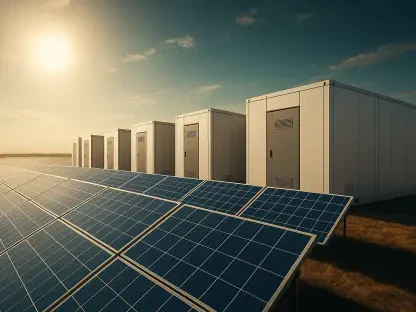
Policy whiplash met record ambition, and the collision left a visible dent: solar still led new U.S. capacity in 2025 even as installations sagged, a paradox that reveals more about timing and incentives than about demand. The headline numbers drew attention, but the mechanics behind them shaped the real story—how developers adjusted to shifting rules while keeping projects alive.
This FAQ explores why installations dipped, how conflicting data can both be right, and what a swollen pipeline means for grid planning. Readers can expect straight answers on market drivers, policy pivots, and the outlook for utility-scale and distributed solar under tighter timelines and persistent trade uncertainty.
Key Questions or Key Topics Section
Why Did U.S. Solar Installations Drop in 2025?
Developers faced a moving target. Trade actions changed equipment costs and availability, while a reversal in renewable tax credit policy and the One Big Beautiful Bill Act’s curtailed Inflation Reduction Act timelines scrambled project schedules.
To preserve eligibility, many shifted to safe harbor strategies—securing components and milestones to lock in credits—reducing urgency to energize by year-end. Installations held steady through three quarters but fell nearly 40% year over year in Q4, producing a 22% annual decline to 26.5 GW from 33.8 GW in 2024.
How Can FERC and SEIA Show Different Totals Yet Agree on the Trend?
Different scopes and methodologies drive the divergence. FERC logged about 26.5 GW for 2025 grid additions, while SEIA counted just under 35 GW by capturing segments and timing outside FERC’s lens.
However, both flagged the same arc: a late-year slump, project deferrals, and a policy-driven pause rather than a reversal. Each series points to delays and cancellations that muted the finish despite strong underlying demand.
Where Did Solar Stand in the Generation Mix?
Context matters when a leader slows. By December, solar reached 12.2% of installed capacity, still behind natural gas at 42.2% and coal at 14.3%, but continuing its share gains.
Other resources shifted modestly: wind additions rose to 5.7 GW from 4.5 GW; natural gas grew capacity by about 1.5 GW despite fewer units; and nuclear added no new capacity after Vogtle Unit 4’s 1.1 GW in 2024. The grid kept diversifying even as solar’s cadence changed.
What Does the Deferred Pipeline Mean for 2026–2027?
Pushback on CODs reshaped the near-term map. Many utility-scale projects slid into 2026–2027, building a denser queue despite a soft 2025 close.
This bulge signals execution risk but also resilience: interconnection slots, hedging, and tax compliance now drive sequencing. If supply chains stabilize and guidance remains clear, the backlog supports a stronger buildout trajectory.
Summary or Recap
The 2025 slowdown stemmed less from fading demand than from policy turbulence and timing games. Safe harbor choices, shifting trade exposure, and compressed timelines delayed activations, especially in Q4.
Even so, solar stayed the top source of new capacity and expanded its share. Conflicting tallies converged on the same conclusion: a pause with momentum intact and a heavier pipeline aiming at the next two years. For deeper context, track FERC updates, SEIA market reports, and Treasury guidance on credits.
Conclusion or Final Thoughts
The market did not retreat; it re-sequenced. Developers protected incentives, queued projects for clearer windows, and accepted a weaker finish to secure stronger starts.
Practical next steps included firming interconnection milestones, locking tax positions early, and stress-testing supply plans against trade shifts. Policymakers refined guidance to cut ambiguity, while grid operators streamlined study backlogs; together, those actions positioned the pipeline to convert more reliably.