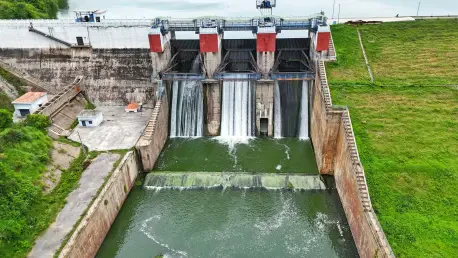

The upcoming technical upgrades include the installation of Unitrol 8000 excitation systems across five generating units to improve efficiency and control. This modernization initiative addresses the growing need for grid stability in Norway as the nation transitions toward a more complex energy mix. Statkraft, Europe’s largest generator of renewable energy, has selected ABB to spearhead this critical infrastructure project at the Vikfalli complex, located in the mountainous terrain of Høyanger. By integrating these advanced excitation systems, the facility will gain superior voltage regulation and reactive power control, ensuring that the hydroelectric plants can respond more dynamically to fluctuations in demand. The project represents a significant investment in longevity, replacing aging analog components with digital solutions that provide real-time diagnostic capabilities. As Norway continues to leverage its natural water resources for green energy, upgrading established facilities ensures they remain competitive and reliable in a digitalized power landscape.
Modernization Strategies: Precision and Power Management
The implementation of the Unitrol 8000 series marks a definitive shift from traditional maintenance cycles to predictive operational management at the Vikfalli site. These systems are specifically engineered to manage the magnetic field of the synchronous generators, which is the primary mechanism for controlling the output voltage and stabilizing the electrical grid. In an era where intermittent renewable sources like wind and solar are increasingly integrated into the national power system, the role of hydropower as a stabilizer becomes paramount. The high-performance controllers within the Unitrol 8000 provide a fast response time, allowing the plant to counteract sudden voltage drops or surges with precision. This level of control is vital for maintaining the strict frequency requirements of the Nordic synchronous area. Furthermore, the modular design of these excitation systems simplifies future hardware upgrades, effectively future-proofing the plant’s electrical architecture against evolving technical standards.
Beyond the immediate electrical benefits, the modernization effort focuses on the seamless integration of digital interfaces that empower operators with high-resolution data. The new excitation systems are equipped with comprehensive monitoring tools that track thermal performance, transient events, and overall system health. By moving away from manual inspections and reactive repairs, Statkraft can utilize these data streams to implement a condition-based maintenance strategy. This approach minimizes unplanned downtime, which is particularly critical given the remote and rugged location of the Vikfalli facilities where logistical challenges can delay physical interventions. The digital transition also includes enhanced cybersecurity measures, ensuring that the control systems are shielded from external threats while remaining accessible to authorized personnel via secure remote links. The convergence of power electronics and sophisticated software creates a robust foundation for the complex, allowing it to maintain peak performance under stress.
To ensure long-term success, the engineering teams established a rigorous testing protocol that verified system interoperability before the full deployment was finalized. This transition required a strategic alignment between hardware capabilities and the specific hydrological profiles of the Høyanger region. Moving forward, hydropower operators must prioritize the integration of standardized digital platforms to facilitate easier cross-fleet data analysis. The modernization at Vikfalli demonstrated that upgrading legacy assets is often more cost-effective and environmentally sustainable than new construction. It was determined that the deployment of advanced excitation systems provided the necessary flexibility to support high-voltage direct current links and cross-border energy trading. Future considerations should include the expansion of these digital twin models to simulate various climate scenarios, ensuring the infrastructure remains resilient. By adopting these actionable insights, renewable energy producers secured their position in a rapidly evolving market.