
The relentless pursuit of sustainable power has finally met its match in the chaotic yet rhythmic pulse of the ocean, where artificial intelligence now acts as the bridge between raw kinetic force and the digital grid. This convergence marks a definitive shift from passive, shore-bound capture systems to active, intelligent energy management environments. As the global digital economy expands its reliance on power-hungry computational tasks, the necessity for high-density, reliable marine power has become a central focus for infrastructure developers and environmental scientists alike.
The Convergence of Marine Energy and Artificial Intelligence
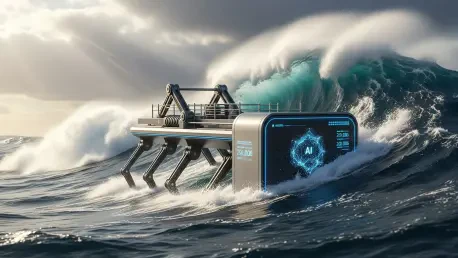
The transition from traditional onshore wave energy to AI-managed systems represents a fundamental modernization of renewable technology. Earlier iterations of wave energy converters often struggled with the erratic nature of the sea, resulting in mechanical strain and inconsistent output. By integrating artificial intelligence, modern systems can now predict incoming swells and adjust mechanical resistance in real-time, effectively transforming a volatile natural resource into a steady, manageable energy stream that meets the rigorous standards of modern electrical grids.
This technological evolution emerged as a direct response to the massive energy appetite of the global AI economy. While wind and solar provide valuable contributions, their land-intensive nature and intermittent availability often fall short of the needs of high-capacity digital infrastructure. Marine energy offers a higher power density and a more consistent generation profile. Consequently, the industry is moving toward a future where the ocean is no longer just a source of raw power but a vital, integrated component of the global digital backbone.
Core Pillars of AI-Enhanced Wave Technology
WaveGPT and Operational Intelligence Platforms
The WaveGPT platform functions as a sophisticated operational brain, distinct from the generative text tools common in consumer markets. It ingests vast streams of sensor data from offshore installations to perform complex energy flow mapping and predictive maintenance. By analyzing historical wave patterns alongside real-time atmospheric data, the platform can anticipate peak energy events and potential system failures. This predictive capability allows operators to optimize energy extraction while significantly reducing the overhead costs associated with emergency maritime repairs.
Furthermore, these intelligence platforms enable a level of decentralization previously unattainable in marine energy. Instead of relying on a monolithic central command, individual wave units can make millisecond-level adjustments to their buoyancy and orientation based on localized data. This granular control ensures that the fleet remains productive even in varying sea states. The intelligence layer essentially serves as an insurance policy against the unpredictable marine environment, providing the stability that financial stakeholders require for large-scale investment.
Digital Twin Integration and Simulation
Virtual replicas, or digital twins, have become essential for simulating environmental stressors before any physical hardware enters the water. By creating a high-fidelity digital mirror of a wave energy converter, engineers can test how the system reacts to extreme storm surges or long-term salt-spray exposure. This approach has gained significant traction, with leading technology firms providing the computational power necessary to run these complex simulations. The ability to “fail” in a virtual space saves millions in research and development costs and accelerates the deployment of resilient hardware.
These simulations go beyond simple structural testing by incorporating fluid dynamics and energy output projections. They allow for the fine-tuning of energy-capture algorithms, ensuring that the physical machines are optimized for the specific tidal and wave conditions of their deployment site. This bespoke approach to infrastructure is what differentiates AI-powered wave energy from the one-size-fits-all models of the past. It turns the unique characteristics of a coastline from a geographical challenge into a quantifiable advantage for energy production.
Recent Advancements in Wave-to-Digital Infrastructure
Recent developments have seen the rise of “adaptive” infrastructure that proactively responds to environmental volatility. Rather than merely surviving a storm, these systems use real-time data to pivot their operational mode, maximizing safety during high-energy events and efficiency during calm periods. This intelligence is increasingly integrated into the Testing and Expertise for Marine Energy (TEAMER) framework, which facilitates the sharing of data-driven insights between academic researchers and private industry leaders to refine energy flow models across diverse maritime regions.
Moreover, the industry is seeing a move toward energy-water-compute ecosystems. These projects map the flow of energy not just as an end product, but as a catalyst for other industrial processes. By aligning marine renewable generation with digital science, researchers are creating a blueprint for infrastructure that is as dynamic as the environment it inhabits. The involvement of global technology leaders in these projects underscores the reality that sustainable energy is no longer a separate utility but an intrinsic part of the computational supply chain.
Strategic Real-World Applications and Global Deployment
Sustainable Coastal Data Centers
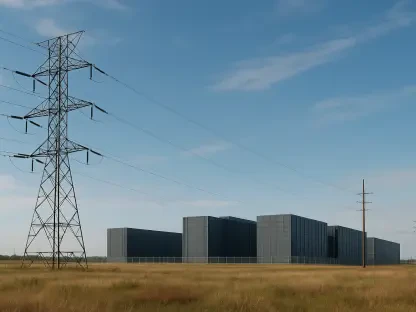
One of the most compelling applications of this technology is the development of coastal data centers that are powered and cooled by the ocean. These facilities utilize the high-density energy of waves to run massive server arrays, while seawater-assisted cooling systems manage the immense heat generated by AI workloads. This circular resource model eliminates the need for freshwater cooling and reduces the strain on traditional inland grids, providing a sustainable solution for the expansion of digital services in densely populated coastal regions.
These data centers represent a unique merger of maritime engineering and grid-scale computing. By placing the compute power at the source of the energy, the system minimizes transmission losses and provides a high-reliability environment for critical data processing. This setup addresses the thermal management needs of high-density workloads while maintaining a minimal carbon footprint. It is a strategic answer to the problem of locating energy-intensive infrastructure in areas where land and traditional power resources are at a premium.
Global Scaling and Grid Integration
The global deployment of this technology is rapidly expanding, with a project pipeline exceeding 400 MW spanning key coastal markets in Portugal, Taiwan, and India. Each of these regions presents unique maritime challenges, from the deep-sea swells of the Atlantic to the monsoon-driven patterns of the Indian Ocean. AI-driven systems allow for the adaptation of core technology to these diverse environments, ensuring that the energy produced is compatible with local grid requirements and industrial demands.
Successful grid integration depends on the ability of wave energy to provide a “baseload-like” stability. Unlike solar, which disappears at night, or wind, which can be erratic, wave energy is more predictable over long durations. The integration of operational intelligence ensures that this stability is maintained, even when sea conditions fluctuate. This makes marine energy an attractive partner for regional governments looking to diversify their renewable portfolios while supporting the growth of localized digital economies.
Technical Hurdles and Market Obstacles
Despite the technological strides, the marine environment remains one of the most hostile settings for any infrastructure. The corrosive nature of saltwater and the physical impact of debris during storm events present ongoing challenges for materials science. While AI can mitigate operational risks, the physical durability of the converters must be continually improved to ensure long-term viability. These environmental factors necessitate a high degree of maintenance, which can be costly and logistically complex given the offshore nature of the installations.
On the financial and regulatory front, the path to full-scale deployment is often slowed by the need for complex multi-national agreements and final funding approvals. Large-scale infrastructure projects require significant upfront capital and clear legal frameworks regarding maritime territory and energy transmission. While the technical proof of concept is strong, navigating the bureaucratic landscape of coastal management remains a significant hurdle. Mitigating these obstacles requires a coordinated effort between private innovators, public regulators, and financial institutions to streamline the approval process.
Future Outlook and Technological Trajectory
The trajectory of this sector points toward the realization of self-optimizing systems where the energy required to power AI is managed by the AI itself. This recursive relationship could lead to unprecedented levels of efficiency, where computational hubs become fully autonomous in their energy management. As deep-sea energy transmission technology improves, the potential to move these installations further offshore will increase, tapping into even higher energy densities while reducing the visual and environmental impact on coastal communities.
The ultimate goal is the establishment of wave energy as a cornerstone of the modern green economy. By refining the synthesis of ocean engineering and digital science, the industry is creating a blueprint for carbon-neutral hubs that can sustain themselves indefinitely. This long-term vision positions the ocean as a central pillar of global sustainability, where the power of the tides is harnessed not just for electricity, but as a foundational element of the global information network and a safeguard against the energy crises of the future.
Final Assessment of AI-Powered Wave Energy
The fusion of marine engineering and predictive intelligence represented a significant shift in the renewable energy sector. The pilot programs established that the inherent unpredictability of the ocean could be neutralized through sophisticated data modeling, making wave energy a viable competitor to more established land-based sources. The digital mitigation of environmental volatility proved successful in reducing mechanical failure rates, which had historically been the primary barrier to market entry for marine power technologies.
The long-term viability of these systems depended on their ability to solve the energy-density problems faced by the tech industry during its rapid expansion. The verdict of the review demonstrated that AI-driven marine energy could indeed serve as a cornerstone of the modern green economy, provided that materials science continues to evolve alongside the software. The established synergy between energy generation and predictive intelligence provided a compelling model for future sustainable development, confirming that the smartest way to power the future was to let the ocean and the algorithm work in concert.