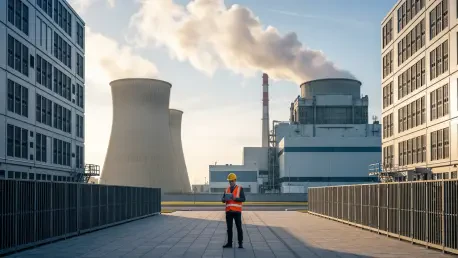

The strategic landscape of New Jersey’s energy sector is currently undergoing a radical transformation as state leaders and utility giants attempt to reconcile the surging demand for high-capacity data processing with the pressing need for carbon-free baseload power. Public Service Enterprise Group has reported a shifting energy landscape defined by legislative progress and significant infrastructure challenges following Governor Mikie Sherrill’s decision to lift the long-standing moratorium on new nuclear power plants. While this policy change and the subsequent creation of a state nuclear task force represent substantial progress toward energy independence, the path to actualizing new capacity remains remarkably complex. Achieving these goals requires more than just legislative permission; it demands robust long-term federal support, streamlined permitting processes, and the establishment of reliable offtake agreements with major energy consumers known as hyperscalers.
The Competitive Gap: Data Center Development Challenges
A central theme emerging from recent industrial analysis is the intense intersection of energy demand and regional competition for digital infrastructure projects. Although PSEG currently manages a massive 11 GW data center pipeline, the utility expects only a fraction—perhaps 10% to 20%—of these projects to actually reach the construction phase. This conservative outlook stems from a noticeable cooling of interest among data center developers who find that New Jersey lacks the aggressive financial and tax incentives offered by neighboring regions. Without a more competitive fiscal framework, the state risks losing these high-value projects to jurisdictions that prioritize lower operating costs and direct subsidies. The mismatch between the high demand for power-intensive infrastructure and the current state-level fiscal policy serves as a significant limiting factor that could stifle long-term growth in the technology sector if left unaddressed.
Beyond the immediate fiscal concerns, the success of the nuclear expansion program is inextricably linked to the ability of the state to secure commitments from large-scale technology firms. These hyperscalers require massive amounts of reliable energy, making the existing nuclear fleet an attractive asset, yet the development of new reactors involves financial risks that private capital is often hesitant to bear alone. Consequently, the utility sector is looking toward the federal government to provide the necessary guarantees and funding mechanisms to bridge the gap between initial investment and operational stability. Streamlining the state-level bureaucracy is equally vital, as the timeframes currently required for environmental and safety reviews can deter the very investors the state seeks to attract. This indicates that while the policy door has been opened, the economic and administrative conditions must be carefully cultivated to turn potential interest into physical infrastructure.
Infrastructure Resilience: Grid Reliability and Regulatory Evolution
From the perspective of grid reliability, the utility industry is maintaining a stance of measured skepticism regarding the PJM Interconnection’s proposal for a 15 GW reliability backstop auction. While the intent of this program is to ensure energy security during periods of peak demand, the 2031 deadline for bringing new resources online presents an incredibly narrow window that may prevent the initiative from serving as a definitive game-changer for regional stability. The technical and logistical hurdles associated with commissioning large-scale power generation within such a short timeframe are substantial, particularly given the current supply chain constraints and workforce shortages. Furthermore, the reliance on a backstop mechanism highlights the underlying fragility of a grid that is being pushed to its limits by both the retirement of older fossil fuel plants and the integration of intermittent renewable sources, necessitating a more holistic approach to long-term planning.
Concurrent with these infrastructure challenges, New Jersey is preparing for a consequential regulatory shift as the Bureau of Public Utilities begins a comprehensive review of the traditional utility business model. This administrative review seeks to align utility profits more closely with performance metrics rather than strictly focusing on capital expenditure and rate increases. By modernizing how revenue is earned, the state hopes to encourage utilities to innovate and adapt to an era of evolving energy needs where efficiency and demand response are just as important as generation capacity. This shift represents a fundamental change in the relationship between the public, the regulators, and the utility providers, aiming to create a more transparent and results-oriented environment. Such regulatory evolution is necessary to support the massive investments required for the nuclear and data center boom while ensuring that consumer costs remain manageable and service reliability is prioritized.
Strategic Imperatives: Future Paths for Industrial Growth
The synthesis of these developments suggested that while the lifting of the nuclear moratorium served as a landmark event, the actual expansion of the state’s energy footprint depended on a multi-faceted strategy. Stakeholders recognized that resolving federal funding uncertainties and streamlining state-level bureaucracy were critical steps that needed to be taken immediately to maintain momentum. Addressing the competitive gap in economic incentives became a priority for lawmakers who aimed to capture a larger share of the burgeoning data center market before other regions solidified their dominance. The utility industry successfully navigated these structural transitions by maintaining fiscal stability, which provided the necessary foundation for ongoing regulatory shifts. Ultimately, the transition toward a nuclear-powered digital economy required a deliberate alignment of policy, finance, and engineering, proving that legislative intent alone was insufficient without the practical tools to drive large-scale industrial growth.