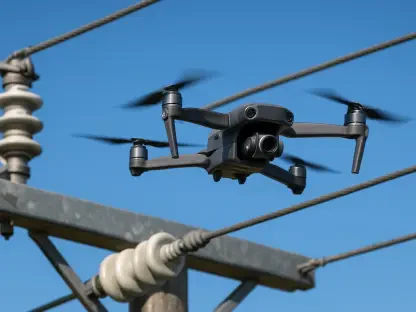

The rapid integration of sophisticated artificial intelligence into the toolkit of digital adversaries has fundamentally altered the defensive requirements for modern industrial control systems and operational technology networks. Where security teams once measured their response times in days or weeks, the emergence of high-speed models like Mythos Preview has compressed the exploit window to mere hours. This reality necessitates a shift from reactive monitoring to a proactive, automated posture that can identify and neutralize threats before they impact physical production. Traditional air-gapped strategies are no longer sufficient in an era where connectivity drives efficiency and data-driven insights. Consequently, the focus at major industry forums has transitioned toward implementing a layered defense that utilizes machine learning to match the pace of modern attackers. By embedding security intelligence directly into the network architecture, organizations are finally bridging the gap between historical reliability and contemporary cyber resilience, ensuring that critical infrastructure remains operational under constant pressure.
Optimizing Industrial Resilience Through Automated Control
Structural Organization of Digital Assets
The foundation of any robust industrial security strategy lies in the comprehensive identification of every hardware asset and software component residing within the operational network. Without a granular understanding of the device landscape, administrators remain unable to apply specific protections or detect subtle deviations from normal operational behavior. Modern automated discovery tools have evolved to provide this level of transparency by passively scanning network traffic to identify everything from high-level servers to the most obscure programmable logic controllers.
Beyond mere identification, these systems now utilize intelligent grouping mechanisms to organize assets into logical zones based on their functional roles and communication requirements. This methodology aligns with international security standards like IEC 62443, which advocates for the structural isolation of critical systems to prevent the lateral spread of malware. By automatically categorizing devices into these predefined zones, security teams can transition from managing individual components to overseeing a defensible industrial architecture.
Predictive Modeling and Traffic Verification
Once an organization has established clear visibility and structural organization, the focus naturally shifts toward the enforcement of strict communication policies between these newly defined zones. Leveraging the massive datasets collected during the monitoring phase, modern security platforms can now generate automated policy recommendations that define exactly which devices should be permitted to interact. This process effectively builds a tailored defensive perimeter around each critical asset, ensuring that only authorized traffic is allowed to traverse the operational network.
To eliminate the risk of operational disruption, these recommended policies are typically subjected to rigorous simulation before they are actively enforced on the live production line. Operators can run virtual tests to observe how proposed rules would handle historical traffic patterns, identifying potential conflicts in a safe environment. This approach provides the necessary confidence to implement high-security configurations without the threat of causing unintended downtime or compromising industrial safety.
Embedding Security Within the Physical Infrastructure
Hardware-Level Enforcement and Performance Integrity
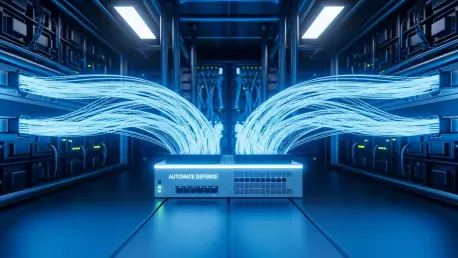
Implementing complex security policies in an industrial environment requires a solution that does not compromise the high-speed performance and low-latency requirements of safety-critical systems. To solve this, contemporary network designs incorporate security enforcement directly into the hardware of switches and routers, utilizing specialized internal silicon for rapid packet processing. This shift away from software-based inspection ensures that security measures are applied at wire speed, maintaining the temporal precision necessary for high-frequency control loops and manufacturing.
By embedding these capabilities into the network fabric, organizations create a more streamlined architecture that eliminates the need for redundant external security appliances. This decentralized approach to enforcement ensures that every port on the network acts as a security checkpoint, providing comprehensive coverage across the facility. Consequently, security becomes a native function of the infrastructure rather than a bolt-on addition, leading to a more robust defense that scales with the operational footprint.
Zero Trust Architecture for Distributed Access
As industrial facilities become more interconnected, the challenge of providing secure remote access for third-party vendors and off-site technicians has become increasingly acute. Traditional access methods, such as enterprise-grade virtual private networks, often provide excessive permissions that can be exploited by attackers to move laterally through sensitive zones. In response, modern architectures have integrated zero-trust access controls directly into the industrial hardware, ensuring that every remote connection is strictly governed by identity and context-based policies.
This granular approach enables administrators to grant time-limited, least-privilege access to specific devices or applications rather than the entire network. Every session is subjected to continuous monitoring and rigorous authentication, providing a detailed audit trail of all remote activities and ensuring that technicians only see what they are authorized to maintain. By replacing vulnerable backdoors with secure gateways, organizations effectively neutralize one of the common entry points for modern cyber threats.
Strategic Advancements: Building Future-Ready Operational Networks
The adoption of automated, layered defense mechanisms marked a significant milestone in the evolution of industrial cybersecurity, moving the industry toward a state of active resilience. Organizations that integrated visibility, predictive simulation, and hardware-accelerated enforcement found themselves significantly better prepared to handle the rapid evolution of digital threats. By moving security into the network fabric and adopting zero-trust principles, these leaders successfully protected their production lines from sophisticated AI-driven exploits while maintaining operational efficiency. The transition away from reactive monitoring allowed security teams to focus on strategic improvements rather than constant crisis management. Ultimately, the integration of these advanced technologies provided a blueprint for securing the critical infrastructure that supports modern society. Moving forward, the industry prioritized the continuous refinement of these automated systems to ensure that safety and productivity remained uncompromised in an increasingly complex digital landscape.