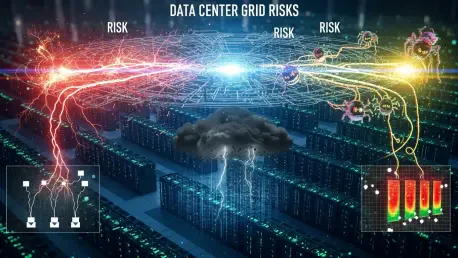

The North American bulk power system is currently grappling with a transformative shift as massive computational facilities evolve from simple consumers into volatile variables that can dictate the stability of the entire continental grid. As the modern digital economy becomes inseparable from hyperscale data processing, the sheer volume of electricity required to sustain these operations has moved beyond a local utility concern. The North American Electric Reliability Corporation (NERC) has recognized that the rapid expansion of these facilities, particularly those housing artificial intelligence and cryptocurrency mining operations, represents a fundamental shift in how the energy sector must approach reliability.
Major industry players, including global hyperscalers and expansive blockchain mining firms, now rely on high-voltage infrastructure that was originally designed for more predictable industrial patterns. This dependence creates a symbiotic but fragile relationship where the operational integrity of the grid is the primary lifeline for the digital world. NERC’s oversight is no longer just about preventing seasonal shortages; it is now focused on maintaining systemic integrity amidst an unprecedented surge in demand that challenges traditional planning models.
The Intersection of Hyperscale Growth and Electrical Reliability
The massive expansion of the data center industry has solidified its role as the backbone of the global digital infrastructure, yet this growth brings significant risk to the electrical systems that support it. Hyperscalers are building facilities that consume hundreds of megawatts at a single site, often clustering in regions where infrastructure was already nearing its capacity limits. This concentration of power demand creates geographic hotspots where the bulk power system must manage incredible loads while simultaneously preparing for the potential of sudden, uncoordinated changes in consumption.
Maintaining the integrity of the North American bulk power system requires a delicate balance between supporting economic growth and ensuring that the lights stay on for residential and critical services. NERC’s role has shifted toward a more proactive stance, moving beyond general guidelines to address the specific technical vulnerabilities introduced by these high-density loads. As the industry continues to scale, the reliance on stable, high-voltage infrastructure becomes a shared responsibility between those who build the data centers and those who manage the electrons flowing into them.
Analyzing the Surge in Computational Demand and Grid Volatility
Shifting Consumption Patterns from AI and Cryptocurrency Mining
Artificial intelligence training and blockchain operations have introduced computational loads that behave fundamentally differently than traditional industrial demand, such as manufacturing or heavy refining. Unlike a factory that may ramp up production over hours, a data center can experience sudden load dropping or rapid demand oscillation as processors cycle through intense calculations. These shifts occur with such speed and magnitude that they can threaten grid frequency, forcing operators to compensate in real-time for fluctuations they may not have fully anticipated or modeled.
This evolving behavior of large-scale power consumers is not solely a liability; it also offers emerging opportunities for more sophisticated demand-response integration. While the volatility of AI and mining loads presents immediate risks, the ability of these facilities to be controlled via software means they could theoretically serve as flexible assets. However, realizing this potential requires a deep understanding of how these facilities interact with the broader energy market, particularly as they move from passive consumers to active participants in grid stabilization.
Growth Projections and the 24% Peak Demand Forecast
Data from NERC’s Long Term Reliability Assessment paints a stark picture of the future, forecasting a staggering 24% increase in summer peak demand over the next decade. This growth is largely driven by the proliferation of data center clusters, which are reshaping regional energy markets and forcing a total reassessment of infrastructure priorities. The transition from a Level 2 warning to a Level 3 mandate signaled that the industry had passed a point where voluntary cooperation was sufficient to manage the scale of the impending demand surge.
Regional energy markets are already feeling the pressure as they scramble to commission new generation and transmission projects to keep pace with these projections. The performance indicators observed by grid operators showed that the risks were no longer theoretical; actual instances of load loss and instability were becoming more frequent. Consequently, the focus has shifted toward ensuring that these mega-users do not outpace the physical capabilities of the electrical system, necessitating a new level of regulatory intervention.
Navigating the Technical and Operational Hurdles of Rapid Electrification
One of the most pressing challenges facing the industry is the visibility gap, where grid operators lack granular data on the internal electrical characteristics of large-scale computational facilities. Without knowing how the power electronics inside a data center will react to a voltage dip or a frequency deviation, planners are essentially flying blind. This lack of transparency means that during a minor system disturbance, a facility might inadvertently disconnect, causing a cascading effect that could lead to widespread blackouts if not managed through rigorous technical coordination.
Overcoming these modeling deficiencies requires a standardized approach to how these facilities are commissioned and monitored. Implementing dynamic fault recording and standardized commissioning processes is essential for capturing the high-resolution data needed to predict facility behavior under stress. By bridging this information gap, the energy sector can move away from reactive troubleshooting and toward a more resilient architecture where the electrical performance of every major load is understood and accounted for in the system’s stability limits.
The Mandates of the Level 3 Alert: A New Regulatory Paradigm
The Seven Required Actions for Grid Operators and Planners
Under the new Level 3 mandate, transmission planners are now required to collect specific technical data, including detailed megawatt consumption figures and the precise ratios of IT load versus non-IT load, such as cooling systems. This distinction is critical because cooling systems and servers react differently to power fluctuations, and understanding this split allows for more accurate stability modeling. Planning coordinators are also tasked with revising their reliability studies to account for the unique stability limits of modern data center equipment, which can be more sensitive than traditional motors or lighting.
Furthermore, the alert establishes a new commissioning process that mandates testing these facilities at full load and varying voltage levels before they are fully integrated into the grid. This ensures that any technical quirks or unexpected behaviors are identified in a controlled environment rather than during a critical grid event. By enforcing these rigorous testing standards, NERC is aiming to eliminate the surprises that have previously plagued grid operators when large data centers came online without adequate technical vetting.
Compliance Timelines and Security Standards
Registered entities are under tight deadlines to acknowledge and implement these corrective actions, reflecting the urgency of the situation. This compliance framework is designed to protect the broader base of ratepayers by ensuring that the costs and risks of these mega-users are not shifted onto the general public. Ensuring that these facilities meet high security and reliability standards is a prerequisite for maintaining regional energy security in an era where power demand is skyrocketing.
The role of compliance extends beyond mere paperwork; it is about establishing a culture of transparency between the energy sector and the digital industry. By adhering to these new standards, data center operators demonstrate their commitment to the stability of the regions they inhabit. This regulatory shift ensures that as the digital economy expands, it does so in a way that reinforces, rather than undermines, the foundational infrastructure of the modern world.
Bridging the Gap Between Data Center Developers and Energy Regulators
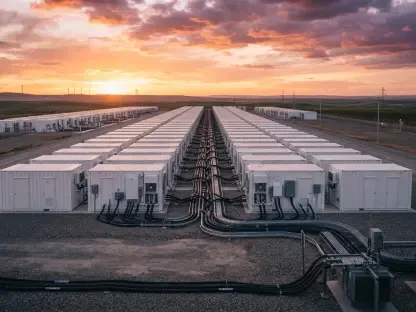
The future of utility-customer relations is moving toward a model of direct engagement between federal regulators, reliability coordinators, and the private sector. The silos that once separated data center design from grid stability planning are being broken down by the necessity of shared survival. Emerging market disruptors, such as advanced software control systems and localized energy storage, offer promising ways to mitigate load volatility at the source, but their implementation requires a high degree of coordination between developers and utilities.
A new evaluation paradigm is emerging where data center sites are selected and designed with grid compatibility as a primary metric. This proactive approach allows developers to build facilities that can support the grid during times of stress, perhaps by utilizing on-site batteries or modulating their non-essential computational tasks. When data center designers and grid engineers work in tandem, the result is a more resilient system that can handle the massive energy requirements of the next generation of technology without compromising reliability.
Strengthening Grid Resiliency Through Coordinated Oversight
The findings regarding uncoordinated data center load losses made it clear that NERC’s intervention was a necessary step toward stabilizing the North American bulk power system. Long-term reliability in the face of the computational boom required a shift away from opaque operational practices and toward a system defined by standardized data sharing and technical transparency. It was determined that the path to sustainable growth for both the energy and technology sectors lay in the rigorous application of these new modeling and testing standards.
Investors and developers were encouraged to prioritize grid-compatible infrastructure as a way to de-risk their projects and ensure long-term operational viability. The move toward integrated planning provided a blueprint for how other energy-intensive industries might be managed as the grid continues to evolve. By establishing clear expectations for facility performance and grid interaction, the industry laid the groundwork for a more robust and predictable energy future. This coordinated oversight ultimately transformed a potential vulnerability into a structured framework for resilient technological expansion.