
When the Empire State originally set its sights on a carbon-free future, few anticipated that the high price of daily life would eventually spark a legislative retreat from those very same goals. The 2027 New York State budget marks a pivotal transition from the aggressive environmental mandates of the 2019 Climate Leadership and Community Protection Act to a more cautious, fiscally grounded approach. This $268 billion financial plan reflects a growing tension between the role of the state as a climate leader and the immediate necessity of protecting residents from soaring utility bills. By examining the shift in legislative priorities, this article explores how the administration is attempting to reconcile long-term sustainability with the pressing financial demands of the current economic landscape.
Navigating the Intersection of Green Ambition and Economic Reality
The recent fiscal agreement represents a cooling of the environmental fervor that defined the previous decade. Many observers note that the state is moving toward a model where financial stability is no longer viewed as secondary to ecological progress. Instead, the two are being treated as interdependent variables in a complex equation of governance. This change in tone suggests that the political appetite for radical energy overhauls has waned in the face of persistent inflation and consumer backlash over energy prices.
Economic experts argue that the decision to prioritize affordability is a response to the reality of a state budget that must serve diverse populations with varying levels of financial resilience. While the commitment to a greener future remains on the books, the path forward is being paved with more realistic milestones. This recalibration is not just about numbers on a page; it is about maintaining public trust in a transition that many fear will leave them with an unmanageable financial burden.
A Strategic Pivot in the Empire State’s Environmental Playbook
Recalibrating the Clock: Shifting the 2030 Emissions Milestone to 2040
The core of the recent budget overhaul involves a significant extension of the decarbonization timeline of the state, most notably scrapping the 2030 goal for a 40% reduction in greenhouse gases. In its place, the state has proposed a 60% reduction target by 2040, providing an extra decade for infrastructure and technology to catch up with regulatory demands. This delay highlights a critical debate regarding the feasibility of rapid energy transitions, as policymakers weigh the risk of missed environmental targets against the danger of destabilizing the local economy through premature fossil fuel phase-outs.
Some regional planners suggest that this extra decade is essential for the actual physical construction of the necessary renewable grid. Without a robust transmission network, early mandates would have likely led to reliability issues and price volatility. By moving the goalposts, the state is effectively admitting that the initial pace of change was faster than the capacity of the construction and manufacturing sectors to deliver. This shift allows for a more orderly retirement of older power plants without the threat of rolling blackouts during peak demand periods.
Economic Friction and the Financial Fragility of Offshore Wind
Governor Hochul’s justification for these rollbacks centers on a “harsh reality” defined by post-pandemic inflation and the struggling offshore wind sector, which has faced significant supply chain disruptions and rising interest rates. The energy affordability crisis has transformed climate policy into a pocketbook issue, forcing the state to grant “breathing room” to prevent catastrophic spikes in consumer energy costs. This section analyzes the risks associated with these delays, specifically whether a slower transition will ultimately increase long-term costs or provide the stability needed for a more sustainable rollout of renewable projects.
Industry leaders recognize that the offshore wind sector has become a bellwether for the broader green economy. When multi-billion dollar projects face delays or cancellations due to rising costs, the state must step in to prevent the entire strategy from collapsing. The budget adjustments acknowledge that the transition toward renewables cannot happen if the companies responsible for building the infrastructure are underwater financially. Consequently, the state is choosing to slow down to ensure that the projects that do move forward are economically viable in the long run.
The Accounting Shift: Adopting the 100-Year Emissions Standard
A technical yet profound change within the budget is the transition from a 20-year to a 100-year timeframe for calculating emissions impacts, bringing New York in line with international and federal standards. While proponents argue this provides a more consistent global comparison, critics worry that the 100-year metric obscures the immediate, high-potency warming effects of gases like methane. This shift represents a broader trend of regulatory alignment that may lower short-term compliance hurdles but risks diminishing the sense of urgency required to address rapid atmospheric changes.
The decision to adopt the longer timeframe is seen by some as a pragmatic move to harmonize New York’s data with that of neighboring states and the federal government. This consistency is vital for interstate energy markets and for corporations that operate across various jurisdictions. However, the move also changes how the state prioritizes specific pollutants. By focusing on a century-long horizon, the immediate spike in warming caused by leaks in natural gas infrastructure appears less dramatic on paper, which could reduce the immediate pressure on utility companies to overhaul their existing gas networks.
The Dual-Track Strategy: State Relief vs. Corporate Accountability
While the state is loosening its own public sector deadlines, it is simultaneously tightening the reins on the private sector through the Climate Corporate Data Accountability Act. This legislative pairing suggests a “good cop, bad cop” approach, where the government provides financial relief to citizens while demanding unprecedented transparency from billion-dollar corporations regarding their carbon footprints. This strategy creates a complex competitive landscape where high-revenue entities must navigate stricter disclosure requirements even as the broader infrastructure goals of the state are pushed further into the future.
Corporate transparency advocates believe that by forcing large companies to disclose their full emissions data, the state can leverage private market forces to drive decarbonization. Even if the government is slowing its own pace, the pressure on the private sector ensures that the momentum is not entirely lost. This approach shifts some of the logistical and reporting burdens onto the private sector, allowing the public treasury to focus on more immediate social services and economic relief for residents.
Balancing the Books While Protecting Disadvantaged Communities
The major takeaway from this budget adjustment is that social equity remains a priority even as timelines shift, evidenced by the increase in climate investment benefits for marginalized areas from 35% to 40%. Stakeholders and industry leaders should focus on utilizing this “breathing room” to modernize grid infrastructure and invest in the workforce training necessary for the 2040 targets. For businesses, the emphasis must move toward data accuracy and transparency to satisfy new reporting mandates, ensuring that environmental progress is measured with precision rather than just projected in haste.
Furthermore, the budget reinforces the idea that an energy transition cannot be successful if it exacerbates existing social inequalities. By funneling more resources into disadvantaged communities, the state hopes to ensure that the benefits of green technology—such as improved air quality and new job opportunities—are felt by those who have historically been most affected by industrial pollution. This strategy attempts to decouple the pace of the transition from the quality of its outcomes, suggesting that a slower, more inclusive process is preferable to a fast but inequitable one.
The Future of Climate Pragmatism in an Uncertain Economy
The 2027 budget served as a blueprint for “climate pragmatism,” reinforcing the idea that environmental goals cannot exist in a vacuum, separate from economic stability. As New York navigated these revised deadlines, the long-term commitment to an 85% reduction by 2050 remained the North Star, though the path to getting there became significantly more winding. Ultimately, the success of this shift depended on whether the state could use this extra decade to build a resilient, affordable green economy or if these delays simply postponed an inevitable and more difficult reckoning with the climate crisis.
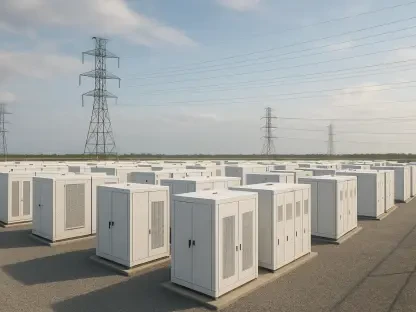
This new direction suggested that the next steps for New York would involve a heavy focus on grid modernization and the integration of battery storage technology. By prioritizing the structural foundation of the energy system, the state aimed to create a more hospitable environment for future renewable projects once economic conditions improved. Businesses were encouraged to view the new disclosure laws as an opportunity to lead in sustainability reporting, while residents were urged to take advantage of state programs designed to lower individual energy costs. The transition was redefined not as a race to a specific date, but as a long-term evolution of the economic identity of the state.