
The architectural foundations of the American electrical grid are currently undergoing a seismic transformation that will permanently alter how power is distributed and consumed across the nation. For the first time in recorded history, the Energy Information Administration anticipates that commercial electricity consumption will overtake residential usage by 2027, signaling the conclusion of an era where households were the undisputed primary drivers of utility demand. This transition is not merely a statistical anomaly but a profound reflection of a society that has moved its core operations from the living room to the server room, as the digitization of work and leisure reaches an unprecedented scale. As we navigate the complexities of 2026, it is becoming increasingly evident that the traditional patterns of morning and evening residential peaks are being supplanted by the relentless, flat-line demand of a digital infrastructure that never sleeps. This shift represents a historic milestone in the evolution of domestic energy policy and infrastructure planning.
The Technological Catalyst of Commercial Demand
The rapid ascent of the commercial sector as the dominant force in electricity consumption is largely propelled by the explosive growth of hyperscale data centers and cloud computing facilities. These massive complexes, often spanning hundreds of thousands of square feet, operate as the central nervous system for the modern economy, facilitating everything from global financial transactions to generative artificial intelligence. Unlike conventional office buildings that see reduced activity during weekends and holidays, these digital hubs require a continuous and massive influx of power to maintain server uptime and sophisticated liquid or air-cooling systems. In 2026, commercial electricity sales are projected to reach approximately 1,530 billion kilowatt-hours, representing a significant portion of the national load. This “always-on” demand profile creates a stable but intense pressure on local utilities, necessitating a departure from traditional peak-load management strategies once designed primarily around household behaviors.
Beyond the standard cloud infrastructure, the integration of energy-intensive cryptocurrency mining and the expansion of high-performance computing clusters have further accelerated commercial load requirements. These operations are often strategically located in regions with access to abundant energy, yet their sheer scale is beginning to test the limits of existing transmission capacity. By 2027, the growth rate of commercial power demand is expected to accelerate to over five percent, far outstripping the growth seen in any other sector of the economy. This trend reflects a broader industrial movement where digital services are no longer just an adjunct to business but are the primary product themselves, requiring a physical energy footprint that rivals traditional heavy manufacturing. As these facilities continue to scale, the relationship between technology firms and utility providers is becoming more collaborative, leading to the development of dedicated microgrids and specialized power purchase agreements that prioritize reliability and massive volume over residential convenience.
Economic Implications for Residential Consumers
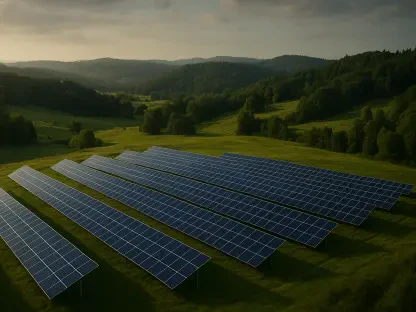
While the commercial sector is experiencing a period of unprecedented expansion, the residential market is characterized by a notable stagnation in total electricity consumption growth. Projections for 2026 and 2027 suggest that household power usage will remain largely flat, with only marginal increases of half a percent annually. This plateau is a result of several converging factors, including the widespread adoption of energy-efficient appliances, improved home insulation standards, and the increasing prevalence of rooftop solar installations that offset traditional grid reliance. However, this lack of consumption growth does not provide relief for the average American homeowner, who is currently facing some of the highest electricity prices in recent history. The average residential rate is expected to climb to 18.2 cents per kilowatt-hour by the end of 2026, a significant increase that reflects the rising costs of maintaining a reliable power supply amidst a shifting economic landscape where individual households no longer hold the same market leverage they once did.
The paradox of flat consumption paired with rising costs is deeply rooted in the urgent need for national grid modernization and the volatility of global energy markets. Utility companies are currently passing on the expenses associated with massive capital investments required to bolster the aging electrical infrastructure against extreme weather and to integrate new renewable sources. As the grid transitions to accommodate the high-density requirements of commercial users, residential customers are frequently the ones bearing a disproportionate share of the financial burden through increased base rates and service fees. Furthermore, the rising cost of fuels used for peak generation periods continues to exert upward pressure on monthly bills, even as total household usage remains steady. This financial squeeze is prompting a reevaluation of how utility rates are structured, as regulators attempt to find a balance between funding essential infrastructure projects and protecting vulnerable households from the escalating costs of an energy system that is increasingly geared toward serving industrial-scale digital consumers.
Regional Disparities and Grid Resiliency Challenges
Geography plays a critical role in the shifting energy dynamics of the United States, with different regions experiencing the 2027 crossover in varied ways based on their local economies and infrastructure. On the East Coast, price increases are particularly acute, with some utility jurisdictions forecasting annual rate hikes as high as seven percent through 2027. These increases are primarily driven by the necessity of fortifying the grid against the increasing frequency of intense coastal storms and the high cost of land for new transmission corridors. Conversely, the West South Central region, led by Texas, is seeing a volume-driven surge as it becomes a primary destination for both new manufacturing and massive data center deployments. The abundance of land and relatively flexible regulatory environment in these states have created a magnet for energy-intensive industries, leading to a localized demand boom that requires rapid expansion of high-voltage transmission lines. These regional trends highlight the fragmented nature of the national grid and the diverse challenges faced by state-level energy planners.
In addition to the commercial and residential shifts, the industrial sector is also witnessing a resurgence that adds further complexity to the national energy outlook. Projections indicate a substantial jump in industrial power demand by 2027, as domestic manufacturing projects and heavy industrial electrification efforts gain momentum across the heartland. This revitalization, while positive for economic growth, contributes to a total national load that is expected to exceed 4,250 billion kilowatt-hours annually. Long-term industry forecasts suggest that the cumulative load on the American grid could grow by more than fifty percent over the next few decades, necessitating a complete reimagining of how power is generated and moved. The current focus on grid resilience is not just about preventing outages but about ensuring that the system can handle the sheer volume of electricity required by a dual-track economy of high-tech services and revitalized manufacturing. As these sectors compete for limited transmission capacity, the importance of strategic regional planning and investment in next-generation grid technologies has never been more critical.
Strategic Recommendations: A Digital-First Grid
Addressing the historic shift toward commercial energy dominance required a fundamental rethinking of how utility regulations and rate structures are designed to serve the public interest. Policymakers have begun to implement more sophisticated demand-response programs that incentivize large-scale commercial users to adjust their consumption during times of extreme grid stress. By requiring data centers and industrial facilities to participate in these programs, grid operators managed to maintain stability without resorting to the rolling blackouts that once threatened urban centers during peak summer months. Furthermore, the introduction of performance-based regulation has encouraged utilities to prioritize efficiency and grid resilience over traditional capital expenditure models. This approach ensured that the infrastructure upgrades necessary to support the digital economy were executed with a focus on long-term cost-effectiveness rather than short-term profit. Transitioning to a system where the largest consumers also play a role in grid stability has proven essential for maintaining a reliable supply for both the digital infrastructure and the residential neighborhoods that depend on it.
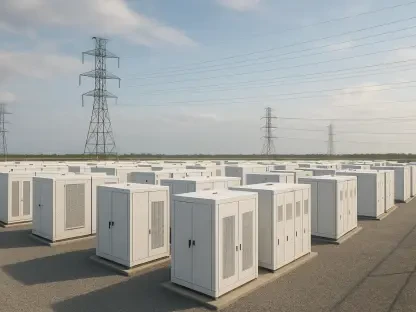
The evolution of the American power grid reached a definitive turning point as the commercial sector solidified its position as the primary consumer of electricity. Stakeholders who prioritized the integration of advanced grid-edge technologies and decentralized energy resources found themselves best positioned to navigate this transition without compromising service quality. Moving forward, it is imperative for local governments and utility providers to accelerate the deployment of large-scale battery storage and microgrid technology to mitigate the impact of high-density commercial loads on local distribution networks. Investing in localized energy production will reduce the strain on long-distance transmission lines and provide a buffer against the price volatility that has recently plagued residential markets. Additionally, fostering deeper collaboration between technology firms and energy producers will be necessary to ensure that the next generation of data infrastructure is built with energy sustainability at its core. By embracing these innovative strategies, the nation can secure a resilient and equitable energy future that supports the digital economy while protecting the interests of every household consumer.