
The rapid expansion of artificial intelligence is creating a massive energy crisis that is putting an unprecedented strain on the American power grid, particularly in regional industrial hubs. In Northern Virginia, which serves as the global epicenter for data processing, the demand for electricity is growing much faster than the existing transmission lines can accommodate. This surge highlights a deepening conflict between the relentless drive for technological progress and the rigid physical limits of legacy energy production systems. As data centers consume vast amounts of electricity to train complex models and serve millions of users, local utility companies struggle to upgrade transformers and cables at the necessary speed. The resulting bottleneck threatens to stall innovation while forcing a difficult conversation about the environmental and social costs of high-density computing. Without a fundamental shift in how the nation generates and distributes electricity, the digital revolution may face a hard ceiling imposed by an aging grid.
The Limits of Current Energy Infrastructure
Evaluating the Baseload Requirements of Data Centers
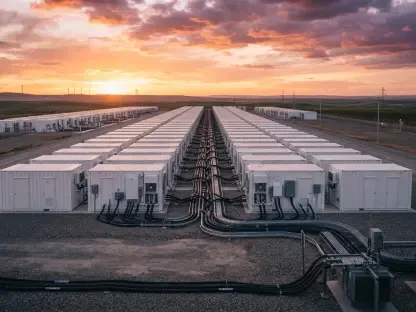
Standard renewable energy sources like wind and solar are often unable to meet the specific, grueling requirements of the high-performance computing sector. Data centers require consistent baseload power, meaning they need a constant and high-density energy source that stays operational twenty-four hours a day without any fluctuation or interruption. Because wind and solar are inherently intermittent, relying on weather patterns that cannot be controlled, they require massive battery storage systems that are prohibitively expensive to build at scale. Furthermore, these storage solutions often rely on materials that produce significant amounts of toxic waste during their manufacturing and disposal processes. This inconsistency makes it nearly impossible for a pure renewable strategy to support a global AI infrastructure that never sleeps. The industry is forced to look for alternatives that provide the reliability of fossil fuels without the carbon footprint, leading to a renewed interest in advanced nuclear technologies.
The Environmental Impact of Emergency Backup Systems
To keep these data centers running during periods of peak demand or grid instability, many facilities have turned to thousands of industrial diesel generators as a desperate backup measure. While these generators prevent the local power grid from failing entirely, they also release a high level of particulate matter and nitrogen oxides that directly harm the health of residents in surrounding neighborhoods. This situation has created an unsustainable trade-off where the rapid growth of digital infrastructure comes at the direct cost of air quality and public safety in communities that were never designed to host such heavy industrial equipment. The noise and fumes from constant testing of these diesel units have led to increased public outcry and legal challenges in regions once welcoming to tech investment. These stop-gap measures are increasingly viewed as a liability for tech giants who have public sustainability goals but find themselves reliant on dirty combustion engines to keep their servers online.
The Role of Small Modular Reactors in Grid Stability
Nuclear energy, particularly through the use of Small Modular Reactors, offers a much more reliable solution for meeting the energy demands of modern technological hubs. These modern reactors can be built more quickly and for significantly less capital than the massive, monolithic nuclear plants of the past because they utilize standardized components manufactured on assembly lines. Their compact size makes it possible to place them directly at data center sites or within existing industrial parks, allowing companies to power their massive operations independently without overloading the local utility grid. By bypassing the traditional transmission bottlenecks, these reactors provide a dedicated energy stream that is shielded from the fluctuations of the broader public market. This localized approach not only ensures a steady supply for the sensitive electronics used in AI training but also reduces the physical footprint of the energy infrastructure compared to traditional, land-intensive power plants.
The Path to Implementation
Addressing the Regulatory and Political Hurdles
The biggest challenges to adopting nuclear power in the current technological climate are not technical in nature but are instead rooted in outdated political and regulatory frameworks. For decades, bureaucratic delays and negative public perceptions have slowed down the development of new reactors, even though nuclear power is statistically much safer and more efficient than fossil fuels. To support the burgeoning AI era, government agencies must urgently speed up the licensing process for small modular reactors to ensure that clean energy can be deployed as fast as the software is advancing. Current regulations were written for a different era of large-scale plants and do not account for the safety profiles and standardized designs of modern modular technology. Streamlining the approval process would encourage private investment by reducing the financial risk associated with decade-long wait times. Without legislative reform that prioritizes speed and safety in equal measure, the United States risks losing its competitive edge.
Driving Private Investment and Future Resilience
Progress in this sector was recognized as a historic shift where technology companies took a more active role by investing in on-site nuclear power assets. It became clear that owning or partnering in the operation of reactors was the only way to decouple growth from the volatility of the natural gas market and the fragility of the aging public grid. To continue this momentum, stakeholders must now focus on creating public-private partnerships that fund the first wave of commercial modular reactors. Local governments should establish designated energy zones where zoning laws are pre-cleared for small-scale nuclear installations to minimize delays. Engineers and tech leaders must collaborate on integrating energy management software directly with reactor controls to optimize power usage based on real-time computational loads. Additionally, educational institutions should expand nuclear engineering programs to meet the growing demand for specialized labor. These actionable steps will bridge the gap between ambition and physical reality.