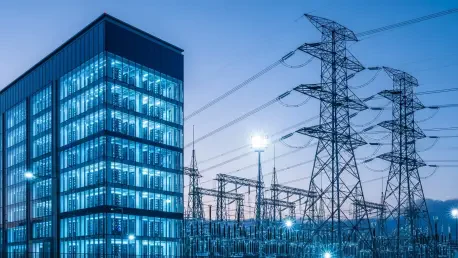

The American electrical grid is currently navigating its most significant transformation since the dawn of the atomic age, caught between a surge in industrial demand and a fierce debate over who should control the switch. As artificial intelligence and the rapid electrification of heavy industry push consumption to unprecedented levels, the friction between competitive wholesale markets and legacy monopoly models has intensified. This tension is not merely academic; it represents a fundamental choice about how the nation will fund, build, and manage the infrastructure required to keep the lights on in a digital-first economy. Modernizing this framework is now a matter of national economic stability, as the ability to integrate massive new loads like data centers depends on whether the grid can adapt to real-time price signals or remains tethered to slow-moving centralized planning.
The stakes of this modernization extend far beyond the utility bill. While legacy systems struggle to accommodate the rapid shifts in energy consumption, the evolution of market management has become the primary driver for attracting private capital. This analysis explores the current growth of competitive frameworks, the redistribution of financial risk from the public to the private sector, and the strategic pathways that regulators must take to ensure the American energy sector remains a global leader in both reliability and innovation.
The Shift Toward Competitive Energy Frameworks
Quantifying Market Performance and Growth Trends
Independent System Operators (ISOs) and Regional Transmission Organizations (RTOs) have expanded their footprint significantly over the last decade, with entities like PJM Interconnection now managing power for millions of citizens across multiple states. This expansion is driven by the demonstrable efficacy of marginal pricing, which identifies supply-demand gaps with a precision that centralized monopoly planners rarely achieve. By providing transparent data on where energy is most expensive, these markets create a roadmap for where new generation and transmission infrastructure are most desperately needed.
The financial data underscores this trend, revealing a stark contrast in how investment flows through the sector. In competitive markets, billions of dollars in private capital are deployed toward new energy projects because investors see clear opportunities for profit based on market needs. Conversely, in regulated territories, investment is often tied to ratepayer-funded initiatives that lack the same level of market-driven accountability. This shift has fundamentally changed the landscape of American energy, moving toward a system where efficiency and market demand, rather than political mandates, dictate the construction of new assets.
Real-World Applications: A Tale of Two Regions
Pennsylvania and Virginia provide a compelling study in how different regulatory choices lead to vastly different economic outcomes. Pennsylvania transitioned into a powerhouse of energy exportation by leaning into competition, fostering a diverse generation fleet that now ships 40% of its power to neighboring states. This surplus has not only bolstered regional reliability but has also provided a significant economic cushion for the state’s consumers. Because the market rewarded efficiency, the state was able to modernize its generation capacity faster than its more regulated peers.
In contrast, Virginia has faced significant hurdles while operating under a more traditional, vertically integrated model. Despite serving as the world’s most critical hub for data centers, the state has struggled to build domestic generation at a pace that matches its skyrocketing demand, leading to a heavy reliance on imported power. This scenario illustrates a critical point: while competitive markets shift the risk of project failure to private shareholders, monopoly models often leave captive ratepayers on the hook for the costs of inadequate planning or stranded assets.
Expert Perspectives on Market Resilience
The Pro-Competition Stance: Insights from Leadership
Former members of the Federal Energy Regulatory Commission (FERC), including Nora Mead Brownell, have long argued that a return to the monopoly model would be a historic regression. The consensus among these experts is that competitive frameworks provide the necessary transparency to protect consumers from the inefficiencies of centralized utilities. They argue that the “fever” of high prices currently seen in some markets is actually a vital diagnostic tool. These price spikes are not signs of a broken system but are instead clear signals that more generation and infrastructure are required to meet modern demand.
Addressing Policy Distortions and Market Signals
The primary cause of modern grid instability is often found in regulatory bottlenecks rather than the mechanics of the market itself. Experts point out that while the market identifies where power is needed, outdated permitting processes and “clogged” interconnection queues prevent new supply from reaching the grid. These policy distortions create a lag between the price signal and the physical response. By focusing on fixing these bureaucratic hurdles, regulators can allow the market to function as intended, ensuring that supply can rise to meet the needs of the emerging AI and transportation sectors.
The Future Landscape of Power Competition
Evolving Supply Dynamics and New Energy Integration
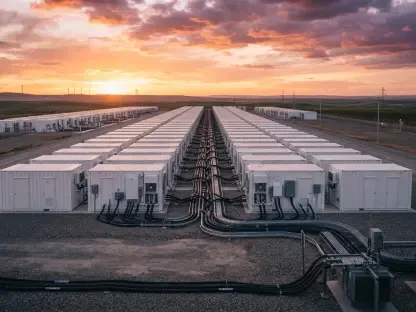
As legacy coal and gas plants continue to retire, the urgency to integrate a diverse array of new energy resources has never been greater. The future of the grid depends on a flexible market that can accommodate everything from small-scale battery storage to massive offshore wind farms. Navigating the current interconnection bottleneck is the most pressing challenge for the next few years. Streamlining the permitting process is essential to ensure that the hundreds of gigawatts of energy currently waiting for approval can actually reach consumers before demand outstrips available supply.
Impact of Emerging Loads: AI and Electrification
The rise of AI-driven data centers and the widespread adoption of electric vehicles are redefining how we think about energy tariffs and cost-sharing. These massive, localized loads require specific infrastructure upgrades that should not be subsidized by residential homeowners. Future market designs will likely feature more sophisticated tariff structures that ensure large-scale energy users pay their fair share of the grid’s expansion. This evolution will be critical in maintaining public support for competitive markets, as it ensures that the benefits of technological progress do not come at the expense of the average ratepayer.
Conclusion: Refinement Over Re-Regulation
The evidence gathered during this period of transition suggested that the most effective way to manage the energy crisis was to fix the existing market bottlenecks rather than dismantling the competitive framework entirely. By prioritizing accelerated permitting and refining resource adequacy mechanisms, policymakers successfully shifted the focus toward increasing supply rather than restricting competition. This approach ensured that the financial risks of the energy transition remained with private investors, protecting the public from the costs of failed utility-led projects. Maintaining the integrity of these markets proved to be the most reliable method for balancing the needs of a rapidly changing economy with the necessity of consumer protection. Through these strategic refinements, the energy sector managed to foster a landscape where innovation flourished and reliability was maintained despite unprecedented demand.