
The rapid expansion of energy-intensive data centers and cryptocurrency mining operations across Texas has placed an unprecedented strain on the state’s electrical infrastructure, forcing regulators to rethink traditional stability protocols. As these Large Computational Loads become more integrated into the statewide ecosystem, their tendency to disconnect during minor grid fluctuations has evolved from a minor technical nuance into a systemic vulnerability. This sudden loss of demand creates a vacuum that can destabilize the frequency of the entire Electric Reliability Council of Texas network, potentially leading to cascading failures that threaten residential and industrial users alike. To address this risk, the Texas Public Utility Commission recently finalized a series of ride-through requirements. These mandates require high-density facilities to remain operational and ride through voltage or frequency dips rather than shutting down instantly to protect their internal hardware. By shifting the burden of protection from the grid to the individual facility, regulators aim to ensure that the massive growth in the tech sector does not come at the expense of public energy security.
Strengthening Grid Reliability Through Mandatory Compliance
Remediation Timelines: A Structured Path to Compliance
Recognizing that the technical architecture of existing data centers cannot be overhauled overnight, the newly adopted regulatory framework emphasizes a structured remediation process designed to foster cooperation rather than immediate litigation. If a facility fails to maintain stability during a grid event, the owner is not immediately hit with crippling fines but is instead placed on a strictly monitored compliance timeline. This process begins with a mandatory ninety-day investigation phase during which the facility operator must identify the specific hardware or software failures that led to the non-compliant shutdown. Following this initial diagnostic period, the operator is granted an additional ninety days to formulate a comprehensive corrective action plan that details the exact engineering modifications intended to bring the site into alignment with state standards. This phased approach ensures that regulators have full visibility into the technical challenges facing large-scale users while maintaining a clear expectation of improvement across the state.
Emergency Enforcement: Securing the Transmission Network
Complementing these remediation steps is a significant expansion of the emergency authority granted to the grid operator, which allows for immediate intervention if a facility poses a direct threat to the grid’s integrity. If it is determined that a specific Large Computational Load’s behavior could lead to local or system-wide instability, the operator can mandate an immediate and indefinite disconnection from the transmission network. This ensures that non-compliant hardware does not remain a liability during critical periods of high demand or extreme weather, keeping the facility offline until the owner can prove that their operations no longer jeopardize the broader energy ecosystem. The authority to disconnect a facility indefinitely creates a powerful incentive for operators to prioritize their electrical resilience and invest in necessary upgrades before a crisis occurs. This proactive stance is essential for managing the scale of modern computational loads, which require a level of operational discipline that mirrors traditional power generators.
Navigating Legal Disputes and Financial Feasibility
Jurisdictional Authority: Debating the Scope of PUC Oversight
The imposition of these strict ride-through mandates has sparked a significant legal debate regarding the extent of the Public Utility Commission’s authority over retail energy customers. Industry advocacy groups and legal experts have argued that while power plants and transmission companies are traditionally subject to technical protocols, private retail loads like data centers and crypto mines have no such statutory obligation. Critics contend that by regulating the internal hardware configurations of private businesses, the commission is overstepping its traditional role and setting a precedent that could lead to further intrusive oversight of other industrial sectors. However, the commission has asserted that its delegated authority to maintain the reliability of the transmission network is sufficiently broad to encompass any load that poses a systemic risk. This jurisdictional friction highlights a growing tension between private enterprise and the collective need for public infrastructure security, testing the legal definition of a grid participant in a modern tech-driven economy.
Economic Realities: The High Cost of Grid Resilience
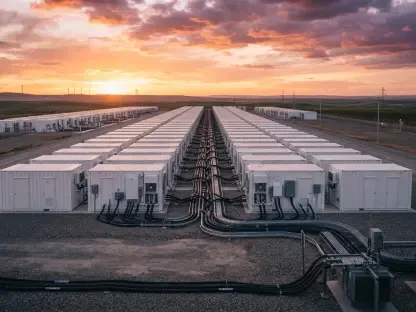
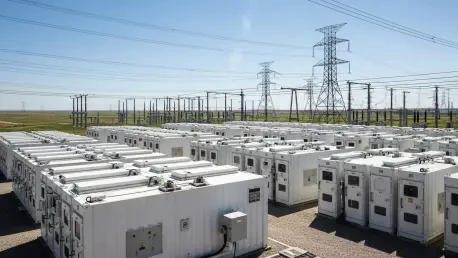
Beyond the legal hurdles, stakeholders addressed the economic realities where implementing hardware changes, such as installing large-scale battery backup systems, cost upwards of 1.6 million dollars per megawatt. Despite these financial warnings, regulators maintained that the rules were necessary given the 438 gigawatts of new projects in the development queue starting this year. Operators began exploring hybrid models where on-site storage served both as a ride-through mechanism and a revenue-generating asset in ancillary markets. This shift encouraged a collaborative relationship between the tech sector and grid authorities, as facilities moved from being passive consumers to active contributors to system resilience. Furthermore, the state prioritized the development of clear technical templates that streamlined the remediation process for smaller operators who lacked extensive resources. By addressing the massive influx of new projects with a focus on engineering standards, Texas established a more robust framework for industrial growth that prioritized the collective health of the entire network.