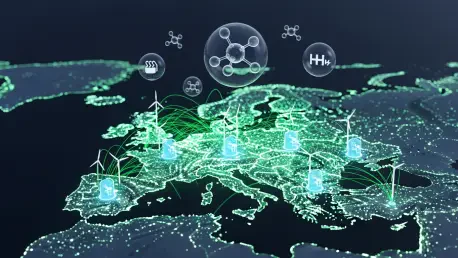

The European aviation sector has long remained vulnerable to the volatile fluctuations of the global oil market, often finding itself at the mercy of geopolitical tensions that disrupt traditional supply chains. This fragility has prompted a massive shift toward synthetic fuels, specifically electronic Sustainable Aviation Fuel (e-SAF), which is produced by combining captured carbon dioxide with green hydrogen. Unlike biological SAF, which relies on limited agricultural feedstocks or waste oils, e-SAF offers a scalable solution that can be produced anywhere with sufficient renewable energy and water. By decoupling aviation fuel from crude oil, Europe aims to create a circular carbon economy that mitigates the risk of external energy shocks while simultaneously meeting decarbonization targets. The transition is not merely an environmental necessity but a strategic imperative to ensure that transport infrastructure remains resilient against future crises that could ground entire fleets.
Scaling Production: Breakthroughs in Synthetic Innovation
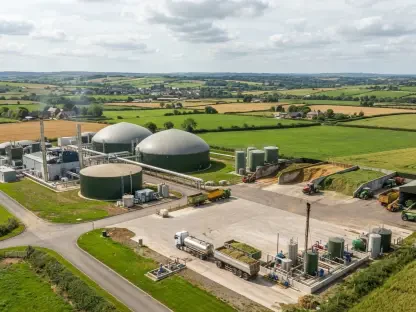
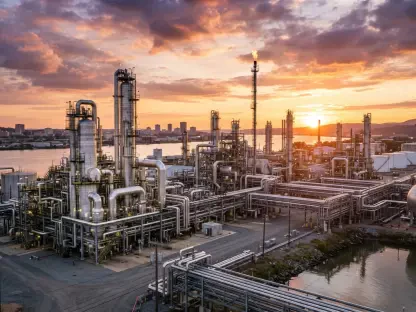
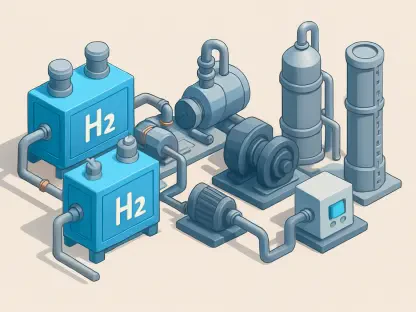
At the heart of this energy revolution lies the maturation of Direct Air Capture technology and high-efficiency electrolyzers, which have finally reached commercial viability at an industrial scale. Companies like Norsk e-Fuel and Infinium are currently spearheading the deployment of large-scale facilities across the Nordic regions and Germany, leveraging abundant wind and hydropower. This process involves stripping carbon dioxide directly from the atmosphere or industrial exhaust and reacting it with hydrogen produced from renewable electricity. The resulting synthetic crude is then refined into a drop-in kerosene substitute that requires no modifications to existing aircraft engines or fueling infrastructure. This compatibility is a critical advantage, as it allows airlines to integrate cleaner energy without the massive capital expenditure typically associated with adopting hydrogen or electric propulsion. Consequently, the rapid build-out of these facilities is transforming the continent.
The integration of these fuels into the European energy grid necessitates a robust logistics network capable of handling the decentralized nature of renewable power generation. Pipelines that once carried fossil fuels are being repurposed to transport hydrogen, while new carbon capture hubs are being established near major industrial clusters to streamline the feedstock supply. As the European Union expands its hydrogen backbone, the cost of e-SAF is projected to decrease significantly, making it more competitive with conventional jet fuel. Furthermore, the development of localized production sites reduces the carbon footprint associated with transporting fuel across oceans, adding another layer of efficiency to the supply chain. This shift toward a distributed manufacturing model ensures that energy production is closely tied to domestic consumption, minimizing the influence of distant cartels on fuel prices. By investing in this infrastructure, Europe is building a fortress against global market volatility.
Geopolitical Stability: Achieving Continental Energy Sovereignty
The geopolitical ramifications of adopting e-SAF are profound, as it shifts the balance of power from oil-rich nations to those capable of leading the green technology race. By producing fuel within its own borders, Europe is gradually erasing the strategic leverage held by external suppliers who have historically used energy as a political tool. This move toward energy sovereignty is bolstered by the ReFuelEU Aviation mandate, which requires an increasing percentage of synthetic fuels in the aviation mix starting from 2026. These regulations provide the long-term certainty that investors require to fund multibillion-euro projects, ensuring that the transition remains steady regardless of market fluctuations. The stability provided by a domestic fuel source allows airlines to hedge against price spikes, protecting passengers from sudden fare increases. Ultimately, this autonomy serves as a buffer that protects the entire European economy from the spillover effects of global fuel scarcity.
The strategic deployment of e-SAF ultimately provided a blueprint for how an entire region could transition away from fossil fuel dependency under extreme pressure. By focusing on synthetic fuels, Europe successfully mitigated the risks of resource scarcity and price manipulation that had plagued the aviation industry for years. The focus shifted toward actionable steps, such as establishing cross-border carbon pipelines and harmonizing quality standards across the union to facilitate a seamless market. These measures transformed the energy landscape into one where domestic ingenuity replaced foreign extraction as the primary driver of economic stability. Moving forward, the lessons learned from this transition suggested that energy security was inextricably linked to technological mastery rather than territorial control over natural resources. The successful integration of e-SAF demonstrated that a commitment to sustainable innovation was the most effective shield against global instability.