
Rigorous monitoring and lifecycle assessments are essential to ensure that methane leakage from digestion tanks does not accidentally undermine the total carbon-saving benefits of the gas. As the European continent seeks to redefine its energy architecture in 2026, the transition toward renewable gases has shifted from a theoretical goal to a structural necessity. Biomethane, which is chemically identical to the methane found in traditional natural gas, serves as a crucial bridge between fossil-heavy pasts and a decarbonized future. Because it utilizes existing pipelines and storage facilities, it bypasses many of the multi-billion dollar infrastructure overhauls required by pure electrification or hydrogen conversion. However, the true strength of this energy source lies in its origin: the vast, often underutilized reservoirs of agricultural waste. By converting manure, straw, and other by-products into high-value energy, the farming sector is being reimagined as a central pillar of energy security. This shift requires more than just technological adoption; it demands a fundamental reorganization of how rural economies function and how environmental sustainability is measured across the lifecycle of every cubic meter of gas produced. The journey from farm waste to grid-ready fuel involves complex logistics that start in the field and end in the industrial hub, necessitating a sophisticated synergy between agronomists and energy engineers who must ensure that the process remains net-positive for the planet.
Diversifying Agricultural Feedstock Sources
Livestock manure represents one of the most immediate and impactful feedstocks for the biomethane industry, offering a significant opportunity to mitigate the carbon footprint of animal husbandry. When left in traditional storage lagoons, manure naturally decomposes and releases methane—a greenhouse gas far more potent than carbon dioxide—directly into the atmosphere. By diverting this waste into anaerobic digesters, farmers can capture these emissions and transform them into a reliable energy stream. This creates a powerful climate narrative, as the process simultaneously reduces existing pollution while generating green fuel. Despite this potential, the logistical reality of handling manure is daunting; its high water content and immense bulk make it heavy and difficult to transport. For small-scale dairy or swine operations, the costs associated with hauling manure to a centralized facility often exceed the potential revenue from the gas, creating a geographic limitation known as the “economic radius.” Consequently, the expansion of manure-based biomethane relies heavily on the development of modular, on-farm technologies or the strategic placement of processing hubs in high-density livestock regions.
In contrast to liquid manure, crop residues such as cereal straw, corn husks, and sunflower stalks provide a more energy-dense feedstock that does not compete with food production for land. These materials are secondary products of the harvest, making them an attractive option for expanding the biomethane supply without driving up the cost of groceries or incentivizing land-use changes. However, the utilization of these residues is governed by the laws of soil science; straw and stalks are not merely waste but are essential components of the ecosystem that maintain soil organic matter, prevent erosion, and foster microbial biodiversity. Removing too much of this “waste” from the field can lead to long-term soil degradation, which would eventually undermine the very agricultural productivity that the energy system relies upon. Experts have identified specific sustainable fractions for removal, which vary depending on local climate, soil type, and tillage practices. To successfully integrate crop residues into the energy mix from 2026 to 2030, farmers must employ advanced monitoring tools to balance their immediate energy output with the long-term fertility and carbon-sequestration capacity of their land.
Technical Processes: From Raw Biogas to Grid Injection
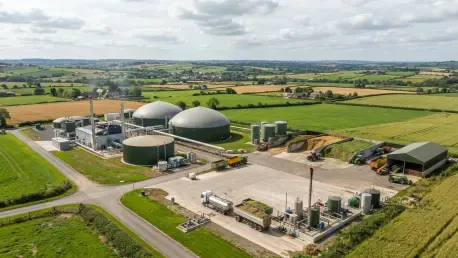
The transformation of raw organic material into a high-quality energy carrier is an intensive industrial process that begins with anaerobic digestion. In this stage, a diverse community of microorganisms breaks down complex organic polymers in oxygen-free tanks, resulting in a mixture of methane and carbon dioxide known as biogas. While raw biogas can be burned locally to produce heat or electricity, it is not suitable for the national gas grid or for use in sensitive industrial machinery due to its impurities and lower energy density. To produce biomethane, the gas must undergo a rigorous “upgrading” phase where the carbon dioxide is separated and the gas is scrubbed of water vapor, hydrogen sulfide, and other contaminants. Modern facilities utilize advanced membrane separation or water scrubbing technologies to achieve a methane concentration of over 97 percent, matching the quality of conventional natural gas. This high level of purification is essential for maintaining the integrity of the gas infrastructure and ensuring that the renewable fuel can be seamlessly blended with existing supplies without affecting the performance of household boilers or industrial furnaces.
A critical component of this technical cycle is the management of digestate, the nutrient-rich substance that remains after the methane has been extracted. This byproduct is often viewed as the “closed loop” in the biomethane circular economy, as it contains nearly all the nitrogen, phosphorus, and potassium originally present in the feedstock. When properly processed and applied back to farmland, digestate serves as a high-quality organic fertilizer that can significantly reduce a farm’s reliance on synthetic, fossil-fuel-based alternatives. This not only lowers the carbon footprint of crop production but also helps to restore essential nutrients to the soil that were removed during the harvest. Furthermore, the use of digestate can improve soil structure and water retention compared to mineral fertilizers, providing a secondary environmental benefit that bolsters the sustainability of the entire agricultural system. However, the storage and application of digestate must be carefully managed to prevent ammonia emissions or nitrate leaching, requiring specialized equipment and precise timing to ensure that the return of nutrients aligns with the biological needs of the growing crops.
Economic Realities: Overcoming Financial and Logistical Barriers
The economic viability of the biomethane transition is currently challenged by the immense capital expenditure required to establish and maintain production facilities. Building an anaerobic digestion plant, complete with the necessary upgrading equipment and grid-connection infrastructure, often requires an investment in the millions of dollars. For individual farmers or small cooperatives, securing the necessary financing can be a major hurdle, especially in a market where energy prices remain volatile. The financial risk is compounded by the high operational costs associated with feedstock collection and the maintenance of complex biological systems. Unlike solar or wind power, which have minimal fuel costs, biomethane production involves a continuous and expensive supply chain of organic material. To make these projects attractive to investors, long-term policy frameworks and stable feed-in tariffs are required to guarantee a predictable return on investment. Without these safeguards, the pace of construction may fail to match the ambitious energy targets set by continental authorities, leaving a significant portion of the agricultural waste potential untapped.
To address the limitations of scale and geography, many regions are turning toward cooperative ownership models that allow multiple agricultural producers to share the burden of investment and logistics. By pooling their waste streams, groups of farmers can support a larger, more efficient centralized facility that benefits from economies of scale. This approach not only lowers the per-unit cost of gas production but also simplifies the process of grid injection, as one large facility is easier and cheaper to connect to the high-pressure gas network than a dozen small ones. Furthermore, cooperatives can facilitate the centralized management of digestate, ensuring it is distributed fairly and sustainably across all participating farms. However, these models require a high degree of trust and organizational coordination, as well as a standardized method for valuing different types of feedstock based on their methane yield and moisture content. The successful implementation of these collaborative systems from 2026 to 2030 will be a deciding factor in whether biomethane can transition from a niche energy source to a mainstream pillar of the rural economy, providing a stable income stream for farmers while contributing to the broader goals of energy sovereignty.
Environmental Safeguards: Protecting Soil Health and Atmosphere
A paramount concern in the scaling of biomethane production is the preservation of soil integrity and the prevention of long-term carbon depletion. When agricultural systems are pushed to maximize energy output, there is a temptation to harvest more organic matter than the land can naturally replenish. This practice risks stripping the soil of its protective cover and the raw material needed to form stable humus, leading to increased erosion and a decline in the land’s ability to retain moisture during droughts. To mitigate this, environmental standards must dictate that energy production remains a secondary function of the land, subordinate to the primary goal of food production and ecosystem health. This requires the implementation of strict “removal thresholds” and the use of cover crops that provide feedstock while simultaneously protecting the soil during the winter months. By integrating energy production into a wider strategy of regenerative agriculture, the biomethane industry can ensure that its growth does not come at the expense of the very natural resources that define the rural landscape.
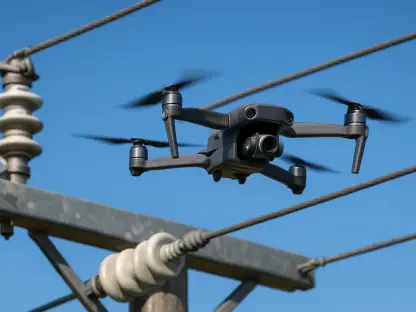
Beyond soil health, the industry must address the technical challenge of methane slip, which occurs when small amounts of gas escape from the digester or the upgrading equipment. Because methane is a highly potent greenhouse gas, even minor leaks can significantly erode the carbon-saving benefits of replacing fossil fuels with renewable alternatives. To maintain the environmental credibility of the sector, operators are increasingly adopting advanced leak detection technologies, such as infrared cameras and continuous sensor monitoring, to identify and seal escape points in real time. Rigorous lifecycle assessments are now the standard for certifying the sustainability of biomethane projects, taking into account every emission from the moment the tractor enters the field to the point where the gas is burned by the end user. These assessments are vital for proving to regulators and the public that biomethane is a genuine tool for decarbonization rather than a form of greenwashing. As the sector matures, the focus will likely shift toward “carbon-negative” production, where the carbon dioxide captured during the upgrading process is stored geologically or used in industrial applications, further enhancing the climate benefits of the gas.
Strategic Pathways: Aligning Policy with Practical Implementation
Bridging the discrepancy between current production and long-term targets requires a focus on regional infrastructure disparities that have historically hindered growth. While nations such as Germany and Denmark have successfully integrated biogas into their national energy mixes, much of Eastern and Southern Europe continues to face a lack of localized pipeline access and regulatory clarity. The expansion from 2026 to 2030 will necessitate the construction of thousands of new anaerobic digestion facilities, particularly in agricultural hubs that are currently isolated from the primary gas transmission networks. This physical distance creates a logistical nightmare for gas injection, forcing developers to consider alternative solutions such as virtual pipelines—where gas is compressed and transported by truck—or the establishment of local microgrids. Furthermore, the permitting process for new energy projects remains a significant barrier, with many developers reporting wait times that exceed three years. Streamlining these administrative hurdles while providing dedicated technical support to rural communities will be essential to transforming agricultural regions into energy powerhouses. Without a concerted effort to align national regulations with continental goals, the ambitious targets set under the REPowerEU plan may remain mathematically possible but operationally out of reach.
The evaluation of biomethane’s role in the European energy landscape demonstrated that agricultural residues provided a viable, though geographically constrained, pathway for decarbonization. It was found that while the technical feasibility of upgrading biogas was well-established, the success of the transition depended heavily on the implementation of regional collection networks and the stabilization of market incentives. Scientists and policy analysts observed that the most effective models were those that prioritized soil integrity alongside methane yields, ensuring that the removal of crop residues did not compromise future food security. The transition also required a significant overhaul of rural gas infrastructure, as the connection of remote anaerobic digesters to the main grid proved to be a persistent bottleneck. Moving forward, the findings suggested that a hybrid approach—combining localized on-farm usage with centralized industrial injection—offered the most resilient strategy for meeting ambitious renewable energy targets. Ultimately, the synthesis of agricultural management and energy production established a framework where waste management evolved into a strategic asset for continental sovereignty, proving that farm waste could indeed power a significant portion of the transition if managed with ecological and financial precision.